
Size
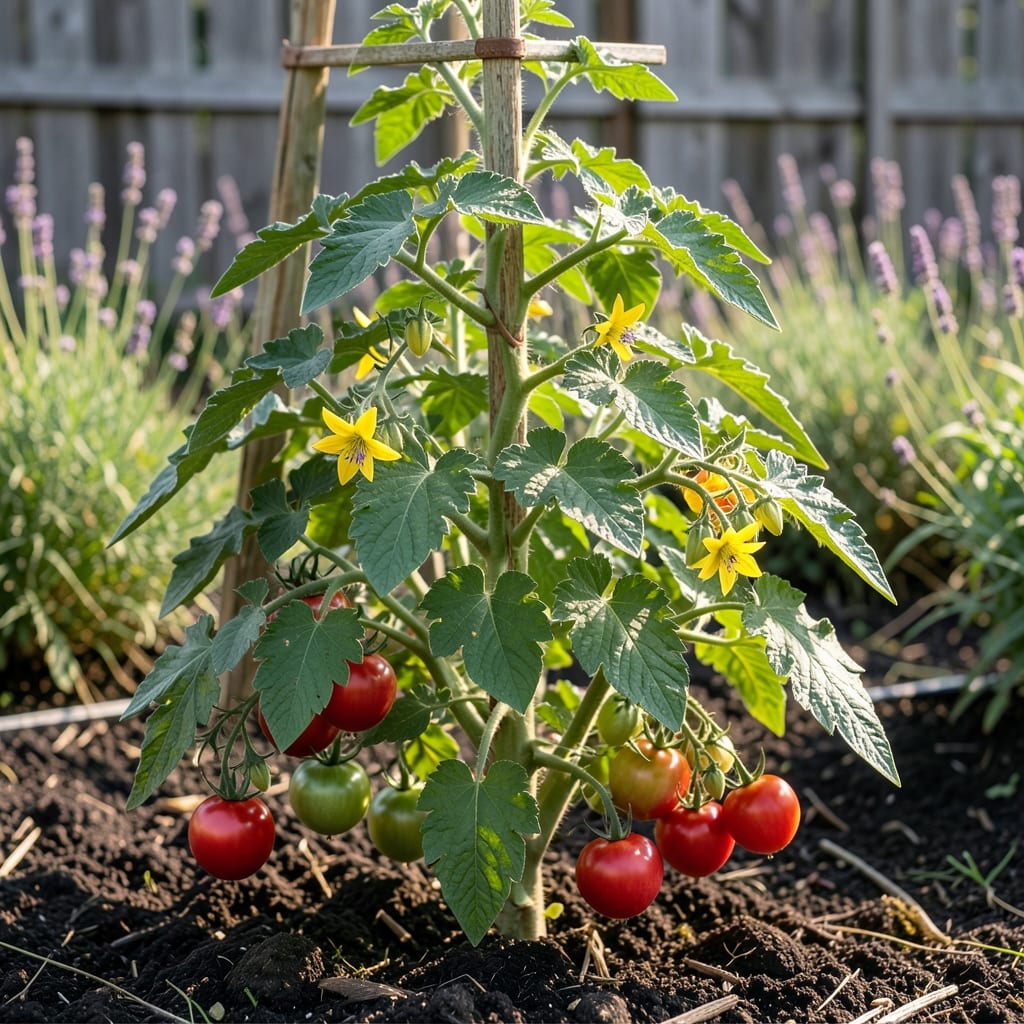
If you’ve ever wondered how tall do Big Beef tomato plants grow, the answer might surprise you—these giants can easily stretch 7 feet or more if left unchecked! That’s taller than most gardeners expect, which is why understanding their growth habits is the key to avoiding a tangled mess in your backyard.
Unlike their smaller cousins, Big Beef tomatoes are indeterminate, meaning they don’t stop growing until frost hits. Without proper support or pruning, their vines can sprawl wildly, taking over your garden space. But here’s the good news: with the right care, you can harness their vertical potential while keeping them manageable.
In this guide, I’ll break down everything you need to know—from their mature height and space requirements to practical pruning techniques that keep them under control. Whether you’re working with limited space or just want to maximize your harvest, these tips will help you grow Big Beef tomatoes like a pro.
Ready to transform those sprawling vines into a structured, high-yielding powerhouse? Let’s dive into how to manage their impressive growth without sacrificing your garden’s layout.

Big Beef tomato height: what to expect and how it compares to other varieties
Big Beef tomato plants are legendary for their massive size, often reaching 7 to 9 feet tall when fully grown. That’s nearly the height of a basketball hoop! Unlike determinate varieties that grow in compact bushes, these indeterminate giants keep stretching until frost stops them. Without proper support, their sprawling vines can overwhelm your garden, making space planning a must.
If you’ve ever wondered why your Big Beef plants seem to grow faster than expected, it’s because they’re designed for high yields. Each vine can produce hundreds of pounds of fruit per season, but only if you give them the right conditions. Their height isn’t just about space—it’s also about how you train and prune them to maximize airflow and sunlight penetration.
Here’s the key difference: while determinate tomatoes (like Roma) top out at 3–4 feet and produce all their fruit at once, Big Beef plants keep growing and fruiting all season long. This makes them ideal for gardeners who want a continuous harvest, but it also means you’ll need to plan for their vertical dominance from day one.
| Variety | Type | Mature Height | Growth Habit | Space Needs |
|---|---|---|---|---|
| Big Beef | Indeterminate | 7–9 ft | Continuous growth | Tall trellis (8+ ft) |
| Roma | Determinate | 3–4 ft | Bushy, compact | 1–2 ft spacing |
| Celebrity | Indeterminate | 4–6 ft | Vining, sprawling | 6 ft trellis |
| Cherry (Sweet 100) | Indeterminate | 5–8 ft | Prolific branching | Cage or trellis |
When planning your garden, remember that Big Beef plants need at least 8 feet of vertical space to thrive. If you’re short on room, consider espalier training or a strong trellis system to guide their growth upward. Without support, their vines can sprawl 10 feet or more, creating a tangled mess that’s hard to manage.
One common mistake is assuming these plants will stay compact like determinate varieties. In reality, their indeterminate nature means they’ll keep growing until frost—so if you live in a warm climate, you might need to prune aggressively or use dwarfing techniques to control their height. I’ve seen Big Beef plants in greenhouses reach 12 feet when given unlimited space!
To give you a real-world example, imagine planting a Big Beef tomato next to a 6-foot fence. By midsummer, its vines will likely top the fence and need additional support. This is why I always recommend installing a tall trellis or cage at planting time—it saves you from scrambling to add support later when the plant is already established.
If you’re growing Big Beef in containers, choose a pot that’s at least 18 inches deep and provide a sturdy stake or cage. Even in containers, these plants can reach 5–6 feet tall if given enough nutrients and sunlight. The key is to prune regularly to encourage upward growth rather than sprawling vines.
For gardeners with limited space, consider vertical gardening techniques like espalier training, where you train the plant to grow flat against a wall or fence. This not only saves space but also makes harvesting easier. I’ve trained Big Beef plants along my garage wall, and it’s been a game-changer for small gardens.
Finally, don’t forget that
Big Beef tomato height: what to expect and how it compares to other varieties
When I first planted Big Beef tomatoes, I was shocked by how quickly they shot up—some reached 7 feet tall by midsummer! These indeterminate varieties keep growing until frost, making them one of the tallest tomato types for home gardens. Without proper support, their vines can sprawl 10+ feet, creating a jungle of green in your backyard.
Unlike determinate tomatoes (which grow to a fixed height of 3–4 feet), Big Beefs are vertical growth machines. Their height isn’t just about space—it’s also about fruit production. The taller the vine, the more tomatoes per plant, but only if you manage their growth wisely. Think of them as sky-scrapers of the garden, needing sturdy support to reach their full potential.
| Variety | Height Range | Growth Type | Space Needs |
|---|---|---|---|
| Big Beef | 6–9 ft | Indeterminate | Tall trellis or cage |
| Celebrity | 3–4 ft | Determinate | Bush or small stake |
| Sungold | 4–6 ft | Indeterminate | Medium trellis |
| Roma | 3–5 ft | Determinate | Bush or cage |
Comparing Big Beefs to other popular varieties shows why they’re unique. While Celebrity tomatoes stay compact at 3–4 feet, Big Beefs need vertical space planning from day one. I learned this the hard way—my first attempt left vines sprawling across my patio, blocking sunlight for nearby plants. The fix? A 10-foot tall bamboo trellis and regular pruning to direct energy upward.
Another key difference is their fruit-bearing strategy. Big Beefs produce tomatoes along their entire vine, not just at the top like determinate types. This means you’ll need strong support structures, like tomato cages (6+ feet tall) or wooden stakes with twine, to prevent breakage under the weight of 2–3 pound tomatoes. Without support, the vines can snap, wasting your harvest efforts.
For gardeners with limited space, Big Beefs might seem intimidating, but their height can work to your advantage. By training them vertically, you save ground space while increasing yield per square foot. My urban garden now uses a wall-mounted trellis for Big Beefs, freeing up valuable real estate for other crops. The secret? Start with proper spacing (18–24 inches between plants) and prune aggressively to encourage upward growth.
If you’re wondering whether Big Beefs are right for your garden, consider this: their height pays off with heavier, beefier tomatoes (hence the name!) that are perfect for slicing or sauces. Just be prepared to invest in support systems and regular maintenance. With the right approach, these giants can transform your garden into a vertical fruit factory—as long as you’re ready for their impressive growth spurt!