
Light Requirements
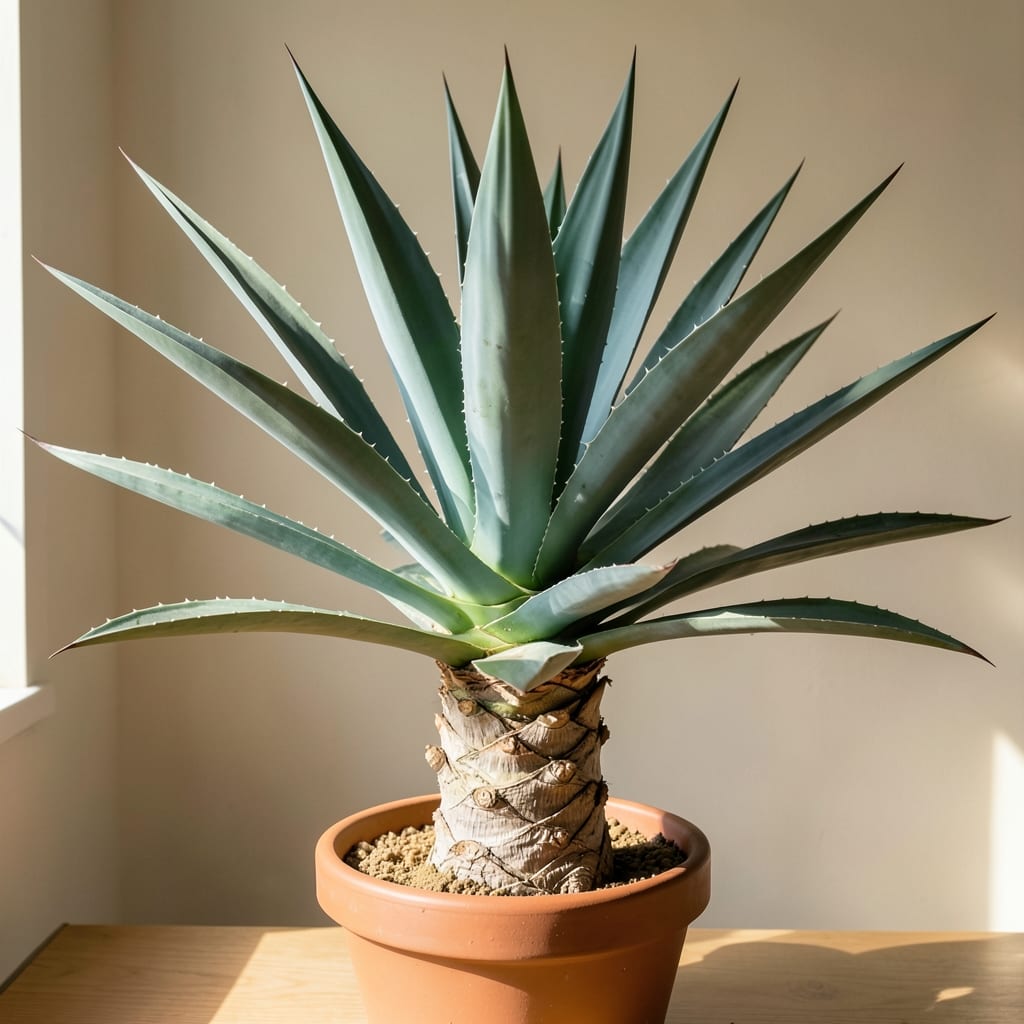
If your yucca plant 🌵 is struggling to grow—or worse, looking sad and wilted—you might be getting its light needs all wrong. The truth is, this hardy shrub isn’t just tolerating sunlight; it’s thriving when bathed in the right amount of it, and most gardeners underestimate how much it craves.
Picture this: your yucca standing tall and proud, its sword-like leaves reaching for the sky, not wilting in disappointment. That’s the vision when you nail its light requirements—6 to 8 hours of direct sunlight daily. But here’s the catch: too little light, and you’ll see limp leaves and stunted growth. Too much? Burnt tips and crispy edges become your new decor. Let’s fix that.
Whether you’re growing your yucca outdoors in USDA Zone 6a or indoors near a sunroom, I’ll show you exactly how to strike the perfect balance. You’ll learn to spot the subtle (and not-so-subtle) signs your plant is begging for more—or less—light, and how to adjust its placement for peak performance.
Ready to transform your yucca from “meh” to “wow”? Let’s dive into the sunlight secrets that’ll have your plant looking like it’s been on a tropical vacation—without the jet lag.


Optimal sunlight requirements for yucca plant growth
Yucca plants are sun worshippers—they crave bright, direct sunlight to grow their signature arching leaves and sturdy trunks. In fact, 6 to 8 hours of sunlight daily is their minimum requirement, but they’ll happily soak up even more if you’re in a hot, sunny climate. Think of them as the desert dwellers of the plant world, thriving where others might wilt.
Native to arid regions like the southwestern U.S. and Mexico, yuccas have evolved to handle intense sunlight without burning. Their thick, waxy leaves act like built-in sunscreen, reflecting harsh rays while still absorbing enough light for photosynthesis. This makes them ideal for full-sun gardens, where many other plants would struggle.
If you’re growing yucca indoors, aim for a south-facing window where sunlight is strongest. Even then, supplement with a grow light for 4-6 hours daily if natural light falls short. Without enough light, your yucca will stretch and weaken, a condition called etiolation, where it grows tall and leggy in search of light.
Here’s the golden rule: More sun = stronger yucca. In USDA Zones 7-10, outdoor yuccas can handle 10+ hours of sun daily, especially in drought-prone areas. Just ensure your soil is well-draining to prevent root rot from excessive moisture—a common issue when yuccas get too much water and not enough sun.
Seasonal adjustments matter too. In summer months, yuccas may thrive in full sun, but in winter, especially in cooler climates, they might need slight shade during peak afternoon sun to prevent leaf scorch. Always monitor your plant’s leaf color for clues about its light needs.
| Requirement | Specification | Notes |
|---|---|---|
| Minimum Daily Sunlight | 6 hours | Critical for leaf development |
| Ideal Daily Sunlight | 8+ hours | Maximizes growth and trunk thickness |
| Indoor Light Source | South-facing window | Supplement with grow light if needed |
| Summer Sun Tolerance | Full sun (10+ hours) | Monitor for leaf scorch in extreme heat |
| Winter Sun Adjustment | Partial shade (afternoon) | Prevents cold-related stress |
Yuccas also prefer bright, indirect light over filtered or dappled shade. If you notice your yucca’s leaves darkening or curling, it’s likely craving more light. On the flip side, bleached or yellowed leaves signal too much direct sun, especially in hot afternoons. A simple fix? Move your yucca to a slightly shadier spot or provide afternoon shade with a sheer curtain.
For outdoor yuccas, the best spots are south or west-facing areas of your garden. If your yard is shady, consider container gardening and place the pot in a sunny location like a patio or deck. Yuccas are highly adaptable, but they’ll always reward you with healthier growth when given their preferred full-sun environment.
Pro tip: If you’re unsure about your yucca’s light needs, observe its leaves. Healthy yucca leaves are upright, stiff, and a vibrant green. When in doubt, err on the side of more sun—yuccas are tough plants that can handle more light than most gardeners realize.
🌵
Signs your yucca isn’t getting enough (or too much) light
Your yucca plant might look tough, but it’s actually highly sensitive to light imbalances. If it’s not getting enough sunlight, you’ll notice telltale signs like leggy growth or pale, weak leaves. These are red flags that your plant is stretching toward light, a sign of etiolation. Watch for leaves that lose their stiffness and become floppy or droopy, especially near the base. This is your yucca’s way of saying, “I need more sun!”
Another clear clue is when new growth appears much softer than mature leaves. Healthy yucca leaves are rigid and sword-like, but under-lighted conditions, they’ll grow longer and thinner, almost like grass blades. If you see this, move your plant to a brighter spot immediately. Even a few extra hours of direct sunlight can make a dramatic difference in just a few weeks.
On the flip side, over-exposure to sunlight causes leaf scorch, where edges turn brown and crispy. This often happens in hot afternoons when sunlight is most intense. If you see yellow or white patches on leaves, your yucca is getting sunburned. The fix? Provide light afternoon shade—a sheer curtain or partial shade cloth can work wonders.
Pay attention to the underside of leaves too. If they’re darker or purple-tinged, this is another sign of insufficient light. Yuccas naturally have light-colored undersides, so any color change is a cry for help. In contrast, bleached or sun-bleached leaves mean your plant is baking in too much sun. The key is finding that sweet spot where leaves stay vibrant green on both sides.
Growth patterns also reveal light issues. A yucca struggling with too little sun will grow slowly and sporadically, with long gaps between new leaves. Meanwhile, a plant getting just enough light will produce new leaves regularly, maintaining a compact, bushy shape. If your yucca looks top-heavy or lopsided, it’s likely leaning toward the light source—a clear sign it needs to be rotated occasionally for even growth.
For indoor yuccas, watch the window placement. If your plant is near a north-facing window, it’s probably not getting enough light. Move it to a south-facing window or add a grow light for 4-6 hours daily. Even artificial lighting can prevent the weak, leggy growth that plagues under-lighted yuccas. The goal is to mimic natural sunlight conditions as closely as possible.
🌿