
Companion Plants
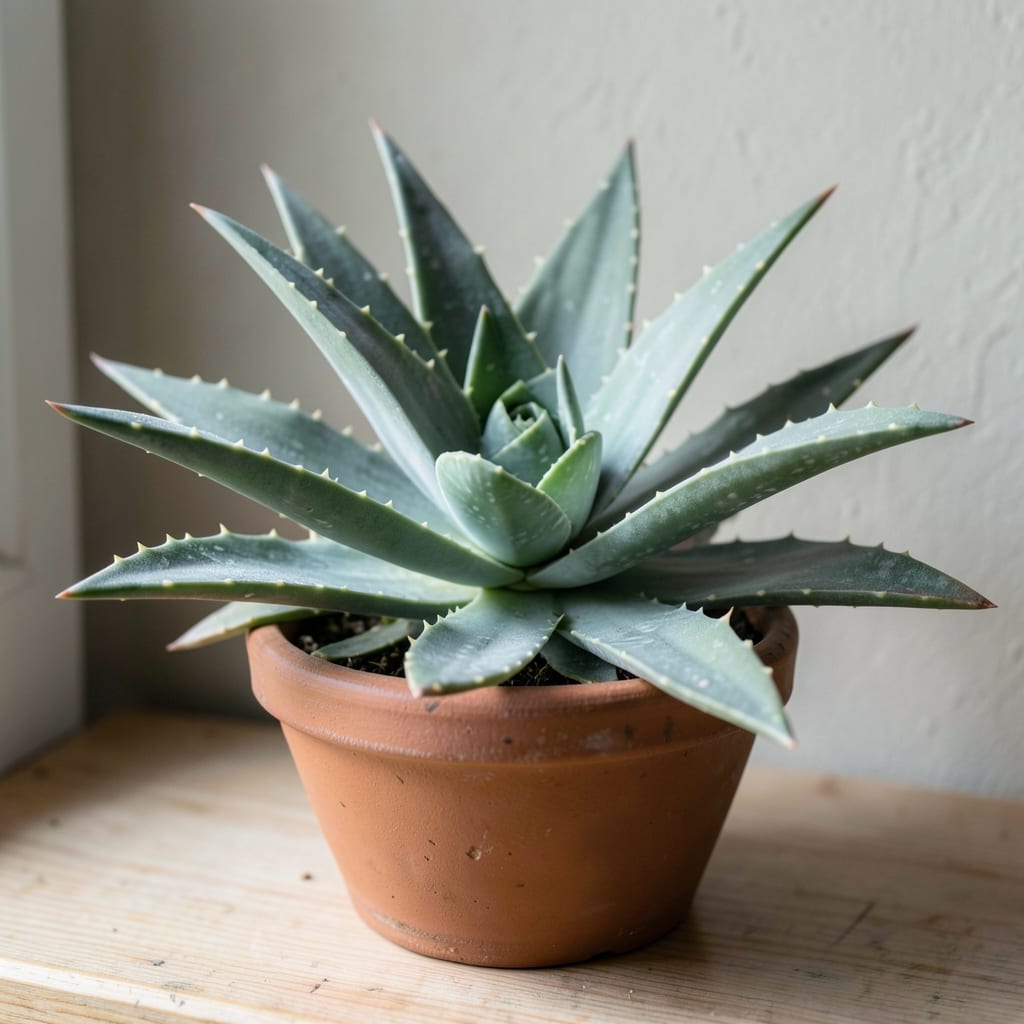
If you’re wondering how much light does an aloe plant need to thrive, the answer might be simpler than you think—it’s all about light. Too little, and you’ll end up with a sad, leggy plant; too much, and you risk scorching those prized leaves. The key lies in understanding how much light your aloe truly needs to stay healthy and vibrant.
Most aloe plants crave bright, indirect light for at least 6 hours a day, but they’re surprisingly adaptable. Whether you’re growing yours indoors near a sunny window or outdoors in your 6a zone garden, getting the balance right makes all the difference. Let’s break down the 3-zone brightness rule so you can give your aloe the perfect light conditions for lush, thriving growth.
You might be surprised to learn that aloe can handle more light than you’d expect—even direct sun in cooler climates. But in hotter areas, a little shade can prevent sunburn. I’ll show you how to spot the signs of too much or too little light and adjust your care accordingly, so your plant stays strong year-round.
Ready to transform your aloe from struggling to stunning? By the end of this guide, you’ll know exactly where to place your plant—whether it’s basking in a south-facing window or thriving under artificial grow lights—for the healthiest possible growth.


The 3-Zone brightness rule: how much light aloe plants tolerate (and when to adjust)
Aloe plants thrive under bright light conditions, but they’re not one-size-fits-all. Think of their light needs as a 3-zone system: direct sun, bright indirect light, and low-light tolerance. Most aloe varieties—like the popular aloe vera—need at least 6 hours of sunlight daily to grow strong and healthy. Without enough light, they’ll stretch toward the sun, growing weak and leggy, while too much direct sun can scorch their leaves, turning them brown or crispy.
The key is balance. In USDA Zone 6a, where I garden, aloe plants can handle full sun outdoors, especially in spring and fall. But during scorching summer afternoons, they appreciate a little afternoon shade to prevent sunburn. Indoors, a south-facing window is ideal, but east or west-facing windows can work too—just rotate your plant occasionally for even growth.
Let’s break down the 3 brightness zones so you can place your aloe perfectly, whether it’s basking in direct sunlight or thriving under artificial grow lights. Understanding these zones will help you avoid common mistakes and keep your aloe looking its best year-round.
| Brightness Zone | Sunlight Hours | Ideal Conditions | Best For |
|---|---|---|---|
| Zone 1: Full Sun | 6+ hours direct sun | Outdoor gardens, south-facing windows, or grow lights 12+ inches away | Outdoor aloe, mature plants, fastest growth |
| Zone 2: Bright Indirect | 4-6 hours indirect light | East/west windows, filtered sunlight, or grow lights 18+ inches away | Indoor aloe, cooler climates, preventing scorching |
| Zone 3: Low Light | 2-4 hours indirect light | North-facing windows, dim rooms, or grow lights 24+ inches away | Emergency care, temporary placement, survival mode |
Zone 1 (full sun) is where aloe plants shine—literally. This is the sweet spot for outdoor aloe, especially in spring and fall when temperatures are milder. If you’re growing aloe in your garden, place it where it gets 6+ hours of direct sunlight, like near a south-facing wall or in a raised bed. Just watch out for midday sun in summer, which can be too intense and cause leaf burn. A little afternoon shade with a sheer curtain or nearby foliage can save your plant from sun damage.
Zone 2 (bright indirect light) is perfect for indoor aloe or outdoor plants in hotter climates. If your aloe is near an east or west-facing window, it’s likely in this zone. These windows provide gentle morning or afternoon sun without the harsh midday rays. For indoor aloe, this zone is ideal if you don’t have a south-facing window. Just rotate your plant every few weeks to ensure even growth, as aloe tends to lean toward the light source.
Zone 3 (low light) is the survival zone, not the thriving zone. If your aloe is in a north-facing window or a dim corner, it’s probably here. While aloe can tolerate this for short periods, it won’t grow well—expect leggy stems, pale leaves, and slow growth. If you’re stuck with low light, consider supplementing with a grow light (more on this later) or moving your plant closer to a brighter window. Think of this zone as a temporary fix, not a long-term solution.
Here’s a pro tip: If you’re unsure whether your aloe is getting enough light, check the color of the leaves. Healthy aloe leaves are a deep, vibrant green. If they’re turning pale or yellow, it’s a sign of too little light. On the flip side, if the tips are brown or crispy, it’s too much direct sun. Adjusting your plant’s placement based on these visual cues will keep it thriving.
Seasonal changes also play a role in aloe light needs. In winter, when daylight is shorter, your aloe might need to move closer to a window or under a grow light. Conversely, in summer, you might need to provide afternoon shade to protect it from intense rays. Pay attention to how your aloe responds to these changes and adjust accordingly.
One common mistake I see is assuming all aloe plants have the same light needs. While most varieties—like aloe vera and aloe aristata—follow the 3-zone rule, some rare or hybrid varieties might have slightly different preferences. Always check the specific care guidelines for your aloe type, but the 3-zone rule is a great starting point for everyone.
Ready to put this into action? Start by assessing your aloe’s current light conditions. Is it basking in full sun, getting bright indirect light, or struggling in low light? Use this guide to tweak its placement and watch it transform into a vibrant, healthy plant. Your aloe will thank you with thick, lush leaves and maybe even a few new offsets!
Signs your aloe isn’t getting the right light (and how to fix it fast)
If your aloe plant is sending you SOS signals, it’s usually a light issue. The most common red flags include yellowing leaves, brown tips, or leggy, stretched growth. These aren’t just cosmetic problems—they’re your plant’s way of saying, "I need more (or less) light!" Let’s decode these signs and fix them before your aloe becomes a sad, struggling shadow of its former self.
Aloe leaves turning pale or yellow is the classic sign of insufficient light. When your plant isn’t getting enough brightness, it stretches toward the nearest light source, creating those long, weak stems. This is called etiolation, and it’s a clear indication your aloe needs to move closer to a south-facing window or under a grow light. If you notice this, act fast—leggy aloe is more prone to falling over and won’t produce those thick, medicinal leaves you love.
On the flip side, brown or crispy leaf tips mean your aloe is getting too much direct sun. This is especially common in summer afternoons when the sun is at its harshest. The edges of the leaves dry out and turn brown, almost like they’ve been sunburned. If this happens, move your aloe to a spot with bright indirect light or provide afternoon shade with a sheer curtain. For outdoor aloe, a little afternoon shade from a nearby plant or patio umbrella can work wonders.
Another telltale sign is pale, almost white leaves. This usually means your aloe is getting filtered or low-quality light, like through a thick curtain or in a north-facing window. While aloe can survive in these conditions, it won’t thrive. If you’re stuck with limited natural light, consider investing in a full-spectrum LED grow light. These lights mimic sunlight and can keep your aloe happy even in the dimmest rooms.
- Yellow leaves = Move to brighter light immediately.
- Brown tips = Provide afternoon shade or indirect light.
- Leggy growth = Rotate plant and supplement with grow lights if needed.
- Pale leaves = Upgrade to full-spectrum lighting.
Pro tip: Check your aloe’s leaves weekly. Catching these issues early means faster recovery and a happier plant!
Seasonal changes can also throw your aloe’s light balance off. In winter, when daylight is shorter, your aloe might start looking leggy or weak even if it was fine in summer. This is your cue to move it closer to a sunny window or add a grow light for 12-14 hours a day. Conversely, in summer, your aloe might suddenly develop brown tips if the midday sun is too intense. A simple fix is to move it to a spot with morning sun only or use a sheer curtain to diffuse the light.
If you’re still unsure whether your aloe’s light conditions are just right, try this quick test: Hold your hand about 12 inches away from the plant’s leaves. If you can’t feel the warmth of the light, your aloe needs more brightness. If the leaves feel too hot to the touch, it’s getting too much direct sun. Adjust accordingly, and you’ll see a noticeable difference in just a few weeks. Your aloe will reward you with thick, vibrant leaves and maybe even a few pups (baby aloe plants)!
Remember, aloe plants are forgiving but not indestructible. The key is to observe and adjust. Pay attention to your plant’s cues, and don’t be afraid to experiment with different light setups. Whether you’re tweaking your indoor window placement or adjusting outdoor shade, small changes can make a huge difference in your aloe’s health and happiness.