
Light Requirements
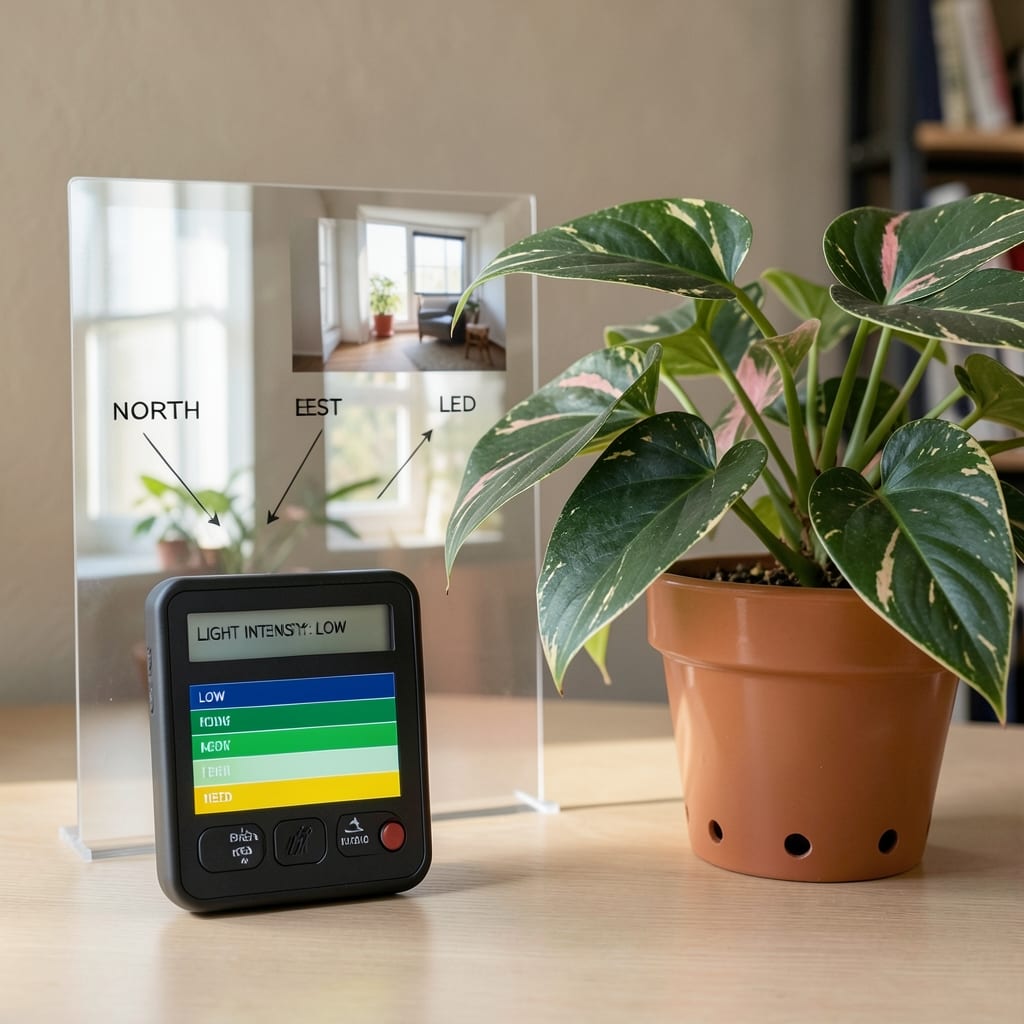
If you’re wondering how much light does an arrowhead plant need, you’re probably dealing with one of the most common care mistakes—getting the lighting wrong. Too little light and it stretches out weakly; too much direct sun and those beautiful leaves crisp at the edges. The sweet spot? Bright indirect light that keeps your plant thriving without stress.
I’ve seen this plant go from lackluster to lush just by tweaking its light exposure, and the best part? It’s easier than you think. Whether you’re dealing with a dim corner or a sun-drenched windowsill, understanding how much light your Arrowhead Plant truly needs is the key to keeping those arrow-shaped leaves popping with color. Let’s cut through the guesswork and find the perfect spot for yours.
Arrowhead Plants are famously adaptable, but they do have preferences—bright indirect light is non-negotiable for that signature foliage. That means placing it near an east-facing window where morning sun gently brightens the room, or using sheer curtains to diffuse harsh afternoon rays. Even low-light conditions can work, but only if you’re prepared to watch your plant’s growth slow down.
In this guide, I’ll walk you through exactly how to spot signs of under- or overlighting, where to place your plant for optimal vibrancy, and how to adjust if your home’s lighting just isn’t cutting it. No more guessing—just science-backed tips to keep your Arrowhead Plant looking its best year-round.

Optimal light requirements for arrowhead plant growth and leaf vibrancy
The arrowhead plant (Syngonium podophyllum) thrives in bright indirect sunlight, making it perfect for indoor growing. This tropical beauty needs 4-6 hours of filtered light daily to maintain its signature arrow-shaped leaves and vibrant colors. Too little light causes dull foliage, while too much direct sun leads to leaf burn and crispy edges.
Think of bright indirect light as sunlight diffused through a sheer curtain—ideal for east-facing windows or 2-3 feet from a south-facing window. Artificial grow lights (LED or fluorescent) can supplement natural light during shorter winter days. Variegated varieties need even more light to maintain their striking patterns.
Here’s the light intensity scale for arrowhead plants: Low light (under 2,000 foot-candles): Leaves stretch and lose color. Medium light (2,000–4,000 foot-candles): Ideal for balanced growth. Bright indirect light (4,000–6,000 foot-candles): Perfect for vibrant foliage. Direct sun (over 6,000 foot-candles): Risk of leaf scorch.
Seasonal adjustments are key! In summer months, move your plant away from south-facing windows to prevent overheating. During winter, supplement with a grow light 12 inches above for 6–8 hours daily to maintain energy levels.
Watch for these light-related signs: Yellowing leaves = Too much direct sun or overwatering. Brown tips = Low humidity or dry air from heaters. Stretched, pale leaves = Not enough light (etiolation). Crispy edges = Sunburn from harsh afternoon rays.
| Light Condition | Foot-Candles | Leaf Response | Best For |
|---|---|---|---|
| Low Light | Under 2,000 | Pale, stretched leaves | North-facing rooms |
| Medium Light | 2,000–4,000 | Healthy green growth | East/west windows |
| Bright Indirect | 4,000–6,000 | Vibrant, glossy leaves | Ideal for variegated types |
| Direct Sun | Over 6,000 | Brown patches, crispy edges | Avoid afternoons |
For peak photosynthesis, aim for 40-60% light intensity relative to full sun. Use a light meter or observe your plant’s response: if leaves point toward the light, it’s light-starved. Rotate your plant quarter-turns weekly to ensure even growth and prevent lopsided development.
Pro tip: Place your arrowhead plant near a west-facing window with a sheer curtain to filter harsh afternoon rays. If using grow lights, opt for full-spectrum LEDs (5,000–6,500K color temperature) and keep them 12–18 inches away to mimic natural light cycles.
Remember, variegated arrowhead plants (like ‘Pink Flash’ or ‘White Butterfly’) need more light than solid-green varieties to maintain their striking patterns. Without enough light, their white or pink hues fade to green, losing their charm.
By mastering these light requirements, your arrowhead plant will reward you with lush, vibrant foliage year-round—proof that the right lighting is the foundation of healthy houseplant growth! 🌿
How to adjust light conditions for different arrowhead plant stages
Adjusting light for your arrowhead plant depends entirely on its growth stage and leaf variety. Juvenile plants (under 12 inches) tolerate lower light conditions better than mature specimens, which need bright indirect light to support their larger foliage. This means your 6-inch cutting might thrive in medium light, while your 2-foot mature plant will stretch and weaken without enough brightness.
For variegated varieties like ‘Pink Flash’ or ‘White Butterfly’, light adjustments are even more critical. These plants require 20-30% more light than solid-green types to maintain their striking patterns. Without sufficient brightness, their white or pink hues fade to green, losing the visual appeal that makes them so popular. Think of variegated leaves as a light meter for your plant—their color intensity directly reflects light availability.
Moving your arrowhead plant from low to bright light too quickly causes leaf burn. Always acclimate by placing it 1-2 feet farther from the light source each week. Sudden exposure to direct afternoon sun (after 2 PM) can scorch leaves within hours, leaving permanent damage.
If your plant develops brown crispy edges, it’s already suffering from sunburn. Trim the damaged areas with sterilized scissors and move it to filtered light immediately. For yellowing leaves, check humidity levels—dry air from heaters or AC exacerbates light stress.
Seasonal transitions require special attention. In spring and fall, when daylight hours change rapidly, rotate your plant quarter-turns weekly to prevent lopsided growth. This ensures even light exposure as the sun’s angle shifts. During winter months, supplement natural light with a grow light on a timer (14-hour photoperiod) to maintain energy levels and prevent etiolation (stretched, weak growth).
Here’s how to troubleshoot common light-related issues based on plant maturity: Juvenile plants: Pale leaves = Needs more light; Stunted growth = Too little brightness. Mature plants: Brown tips = Low humidity + too much direct sun; Yellow lower leaves = Overwatering + insufficient light. Variegated types: Green streaks = Light deficiency; Bleached patches = Too much direct sun.
For outdoor arrowhead plants (in USDA zones 9-11), monitor afternoon sun exposure closely. While they tolerate morning sunlight well, afternoon rays (especially in summer) can exceed their tolerance. Use 30-50% shade cloth if placing them outdoors during peak sun hours. Even a partial shade structure (like a lattice trellis) diffuses harsh light effectively while allowing airflow.
Pro tip: Use a reflective surface (like a white wall or mirror) near your plant to bounce indirect light toward its leaves. This simple trick can increase effective light by 20-30% without direct exposure risks. Pair this with weekly leaf cleaning (dust reduces light absorption by up to 50%) to maximize photosynthesis year-round.
Remember, your arrowhead plant’s light needs evolve with its size and environment. What works for a 6-inch cutting in a north-facing room won’t suffice for a 2-foot mature plant in a south-facing space. Stay observant, adjust gradually, and your plant will reward you with glossy, vibrant leaves at every growth stage! 🌱