
Plants
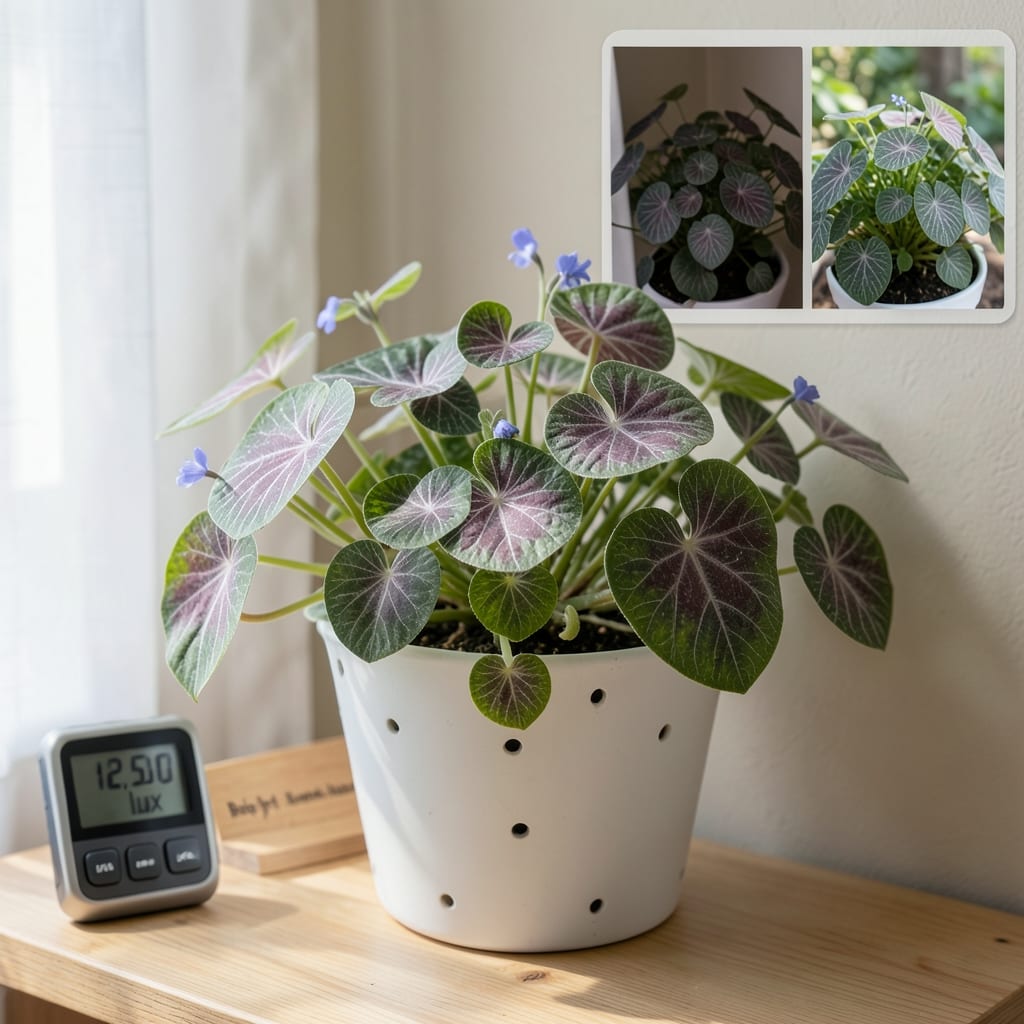
If your Inch Plant 🌱 looks more like a sad, stretched-out shadow than a vibrant green beauty, you’re probably not giving it the right amount of light—specifically, how much light does an inch plant need to thrive? This hardy foliage star craves bright indirect sunlight, but too much direct sun or dim corners can turn its leaves pale or crispy. Here’s how to get it just right.
Most gardeners assume more light is always better, but Inch Plants actually prefer the gentle glow of an east-facing window or filtered afternoon sun. Too little light makes them leggy, while harsh afternoon rays can scorch delicate foliage. The key is finding that sweet spot where your plant stays lush without stress.
Whether you’re growing yours indoors near a 6a-zone window or outdoors in spring, I’ll show you exactly how to spot light issues and adjust placement for healthy, compact growth. No more guesswork—just happy plants.
Let’s dive into the simple tricks that’ll have your Inch Plant thriving in no time, from quick fixes for overcast days to the best spots to place it year-round.
 Best Window Placement
Optimal light requirements for inch plants: bright indirect sunlight explained
Inch plants thrive in bright indirect sunlight, making them perfect for indoor gardeners with limited direct sun exposure. Unlike sun-loving plants, these beauties can't handle harsh afternoon rays, which can scorch their delicate leaves. The key is mimicking their natural understory habitat—think dappled light filtering through tree canopies.
Ideal conditions include 4-6 hours of morning sunlight or placement near east-facing windows, where light is gentler. South-facing windows can work, but you’ll need to filter the light with sheer curtains to prevent leaf burn. Even west-facing windows require caution—only a few hours of afternoon light should touch your plant.
Here’s how to visualize the perfect setup: Imagine your inch plant sitting 2-3 feet away from an east-facing window, where it receives gentle light from 6 AM to 12 PM. This balance prevents the leggy growth that signals insufficient light while avoiding the brown crisp edges of over-exposure.
| Light Condition | Daily Exposure | Ideal Placement | Plant Response |
|---|---|---|---|
| Low Light (<30%) | Indirect light only | North-facing window or 10+ feet from south window | Leggy stems, pale leaves, sparse growth |
| Bright Indirect (60%) | 4-6 hours morning sun or filtered light | East/west window, 2-3 feet away | Healthy, compact growth with vibrant foliage |
| Direct Sun (>70%) | Afternoon sun exposure | South/west window without filtering | Brown leaf tips, crisp edges, leaf scorch |
If you’re growing your inch plant outdoors, prioritize partial shade spots—think under the canopy of taller trees where sunlight dapples the ground. These plants naturally grow in woodland edges, so they’re adapted to filtered sunlight rather than full sun. In containers, rotate your plant quarter-turns weekly to ensure even light exposure on all sides.
One common misconception is that inch plants can tolerate low-light offices. While they’ll survive, they won’t thrive—expect slow growth and weak stems. For office setups, supplement with a 12-inch LED grow light placed 6 inches above the plant for 12-14 hours daily. This mimics the extended daylight they’d receive in their native habitat during growing seasons.
Seasonal changes also affect light needs. During winter months, when natural light diminishes, move your inch plant closer to the brightest window or add a reflective surface (like a mirror) to bounce light onto the leaves. Conversely, in summer’s intense light, use sheer curtains to diffuse harsh rays while maintaining the bright indirect light they crave.
Pro tip: Observe your plant’s leaves for color intensity. Dark, rich green foliage means your lighting is spot-on, while lighter green or yellowing signals insufficient light. Conversely, purple-tinged leaves or crispy edges are red flags for too much direct sun. Adjust gradually—sudden light changes can shock your plant.
For indoor gardeners, east-facing windows are ideal year-round, while west-facing windows work best in cooler months. South-facing windows require sheer curtains or a sheer to prevent leaf burn. Test your setup by monitoring growth over 4-6 weeks: healthy inch plants grow compact and bushy, not stretched or sparse.
Remember, inch plants are adaptable but not flexible. They’ll tolerate some flexibility in light conditions, but extreme deviations (like direct midday sun or dim basements) will stress them. The goal is to replicate their natural environment as closely as possible—bright, indirect, and consistent. With the right light, your inch plant will reward you with lush, vibrant foliage for years.
How to adjust light for inch plants in different home environments
Adjusting light for your inch plant depends entirely on your home’s layout and natural light availability. If you live in a low-light apartment, don’t despair—with a few smart adjustments, you can still create the perfect bright indirect light environment. Start by placing your plant near the brightest window, even if it’s a north-facing one. For deeper rooms, use reflective surfaces like mirrors or white walls to bounce extra light onto the leaves.
For south-facing windows, which can be too intense, hang sheer white curtains to diffuse harsh rays while still allowing plenty of light through. Avoid dark or heavy fabrics—they block too much light and create shadows that can stress your plant. If your window gets direct afternoon sun, consider moving your inch plant a few feet back from the glass during peak hours (1 PM–4 PM) to prevent leaf burn.
🚨 CALLOUT WARNING VISUAL ELEMENT 🚨
Outdoor growers face different challenges. In spring and fall, inch plants thrive in partial shade under taller trees or on east-facing garden beds. But during summer’s long days, afternoon sun can become problematic. Use lightweight shade cloth (30-50%) to filter harsh rays while still allowing plenty of bright indirect light through. In winter, when days are shorter, supplement with a grow light for 12-14 hours daily to prevent leggy growth.
If you’re working with limited window space, consider a rotating plant stand that lets you move your inch plant closer to or farther from the light source as needed. For example, in winter months, place it right on the windowsill, but in summer, move it back to avoid overheating. This flexibility helps maintain consistent bright indirect light year-round.
For office environments with fluorescent lighting, inch plants may struggle unless you add a LED grow light. Place the grow light 6 inches above the plant and run it for 12-14 hours daily to mimic natural daylight. This setup works especially well for low-light offices where natural light is minimal. Just avoid placing the grow light too close—3-6 inches is ideal to prevent leaf burn.
Seasonal adjustments are key. In spring and summer, when natural light increases, move your inch plant slightly farther from windows to prevent overheating. In fall and winter, bring it closer to maximize the reduced daylight hours. With these simple tweaks, your inch plant will stay healthy and vibrant, no matter where you live or what time of year it is.