
Light Requirements
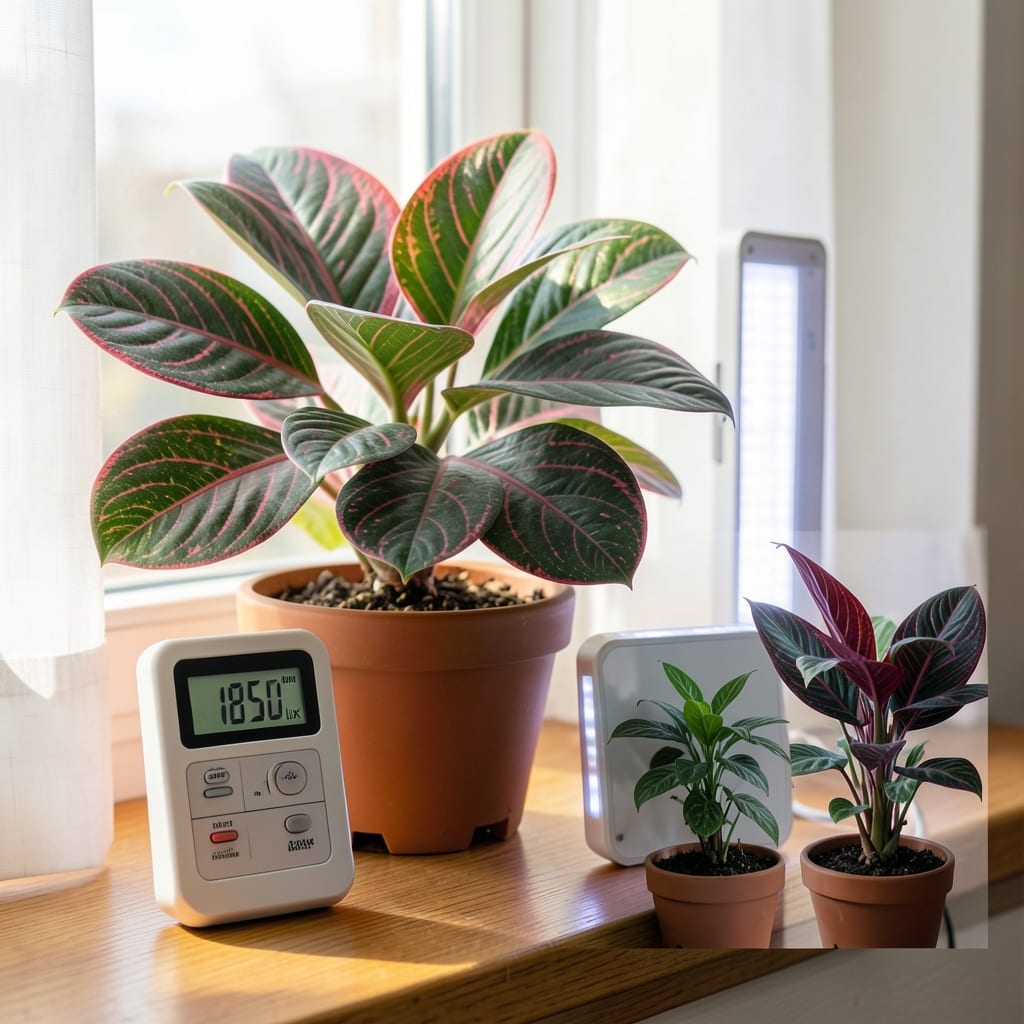
If you’re wondering how much light does a Prayer Plant need to thrive, the answer might be simpler than you think—it’s all about getting the light just right. Too much direct sun can scorch its delicate leaves, while too little indirect light dulls those stunning patterns you love. The key is finding that perfect balance where your plant gets enough brightness without turning into a crispy mess.
Most people assume their Prayer Plant needs bright, sunny spots, but the truth is, it prefers bright indirect light—think of it like a gentle morning glow rather than harsh afternoon rays. This tropical beauty actually thrives near east-facing windows where the light is soft but abundant, or under filtered light from sheer curtains. The goal is to mimic its natural understory habitat, where dappled sunlight filters through the canopy.
You’ll know you’ve got the light right when your Prayer Plant’s leaves are vibrant, upright, and showing off their signature patterns. But if you notice yellowing, browning, or leaves that look sad and limp, it’s time to reassess. The good news? Adjusting light exposure is one of the easiest fixes for keeping your plant happy and healthy—no fancy equipment required.
In this guide, I’ll walk you through exactly how much light your Prayer Plant needs, how to spot the signs of over- or under-lighting, and even how to tweak its environment as the seasons change. Let’s get your plant back to its best in no time!


Ideal light requirements for prayer plant growth (brightness levels explained)
Your Prayer Plant (Maranta leuconeura) thrives in bright indirect light, which means it needs plenty of light without direct sun exposure. Think of it like standing under a canopy on a sunny day—bright but diffused. This tropical plant mimics its natural habitat in the shaded understory of South American rainforests, where sunlight filters gently through leaves above.
The ideal spot for your Prayer Plant is about 3-6 feet from an east-facing window, where it gets morning sunlight that’s gentle but strong enough to keep its leaves vibrant. East-facing windows provide the perfect balance, offering 4-6 hours of bright indirect light daily without the harsh afternoon rays that can scorch delicate foliage.
If you’re unsure whether your plant is getting the right amount of light, look for these visual cues: healthy leaves should be upright, glossy, and showcasing their signature patterns. If the leaves start to yellow or brown at the edges, it’s a sign of too much direct sun. Conversely, if the leaves look pale, dull, or the plant stretches toward the light, it’s not getting enough brightness.
Here’s a quick breakdown of what to watch for:
- Too much light: Brown, crispy leaf tips or bleached patches
- Perfect light: Vibrant colors, upright leaves, and consistent growth
- Too little light: Leggy stems, sparse leaves, or pale foliage
Seasonal changes can also affect your Prayer Plant’s light needs. During summer months, when sunlight is intense, you might need to move it slightly farther from the window or use a sheer curtain to filter the light. In winter, when natural light is scarce, consider supplementing with a grow light for 6-8 hours a day to maintain its health.
One common mistake is placing your Prayer Plant in a south-facing window, where direct afternoon sun can cause irreversible damage. If you don’t have an east-facing window, a north-facing spot is the next best option, though it may require a grow light to compensate for lower light levels.
For those living in apartments or homes with limited natural light, a LED grow light can be a game-changer. Position it about 6-12 inches above the plant and use it for 10-12 hours a day to mimic natural light cycles. This is especially helpful in winter or cloudy climates where sunlight is inconsistent.
Pro tip: Rotate your Prayer Plant quarter-turn every 2-3 weeks to ensure even growth. Since plants naturally lean toward the light source, this simple habit keeps them balanced and prevents one side from becoming leggy or sparse.
If you’re still struggling to find the perfect spot, consider grouping your Prayer Plant with other low-to-medium light plants like snake plants or pothos. These plants thrive in similar conditions, making it easier to create a cohesive and thriving indoor garden.
Remember, the goal is to replicate the dappled light of its natural habitat. With the right balance, your Prayer Plant will reward you with lush, patterned leaves that make it a standout in any room. 🌿
How to test and adjust your prayer plant’s light exposure (DIY solutions)
If your Prayer Plant isn’t thriving, the first step is testing its current light exposure. Start by observing its location for a full day—note how much direct sunlight hits it, especially during peak hours (10 AM to 4 PM). Use a light meter app (free options like Light Meter work well) to measure lux levels. Aim for 1,000–2,500 lux for bright indirect light, which is ideal for this plant.
Another quick test: Place your hand near the plant. If the light feels warm and intense, it’s likely too direct. If it’s cool and dim, it’s probably too low-light. The perfect spot should feel like soft, diffused sunlight—similar to standing under a tree on a sunny day.
🌿
⚠️ Warning: Common Light Mistakes
Placing it near a south-facing window without a sheer curtain can burn leaves within weeks. Ignoring seasonal changes (like moving it closer in winter) leads to leggy growth. Skipping rotation causes uneven light exposure, making one side sparse.
To adjust light exposure, start by rotating your plant ¼ turn every 2-3 weeks. This ensures all sides get equal brightness and prevents lopsided growth. If your plant is stretching toward the light, it’s not getting enough—move it 3-6 inches closer to a window or add a grow light for 6-8 hours daily.
For too much light, create a buffer by placing a sheer curtain between the plant and the window. If you notice brown leaf tips, this is a clear sign of sunburn. In extreme cases, move the plant 1-2 feet farther from the window or switch to a north-facing spot.
Seasonal adjustments are key: In summer, filter light with a white or light-colored curtain to reduce intensity. In winter, supplement with a LED grow light (10-12 hours/day) if natural light drops below 4 hours daily. Even a simple clip-on bulb** can make a difference in dim rooms.
Pro tip: Group your Prayer Plant with low-light companions like ZZ plants or cast iron plants. They’ll thrive in the same conditions, making it easier to monitor and adjust light levels for the whole collection. 🪴