
How To
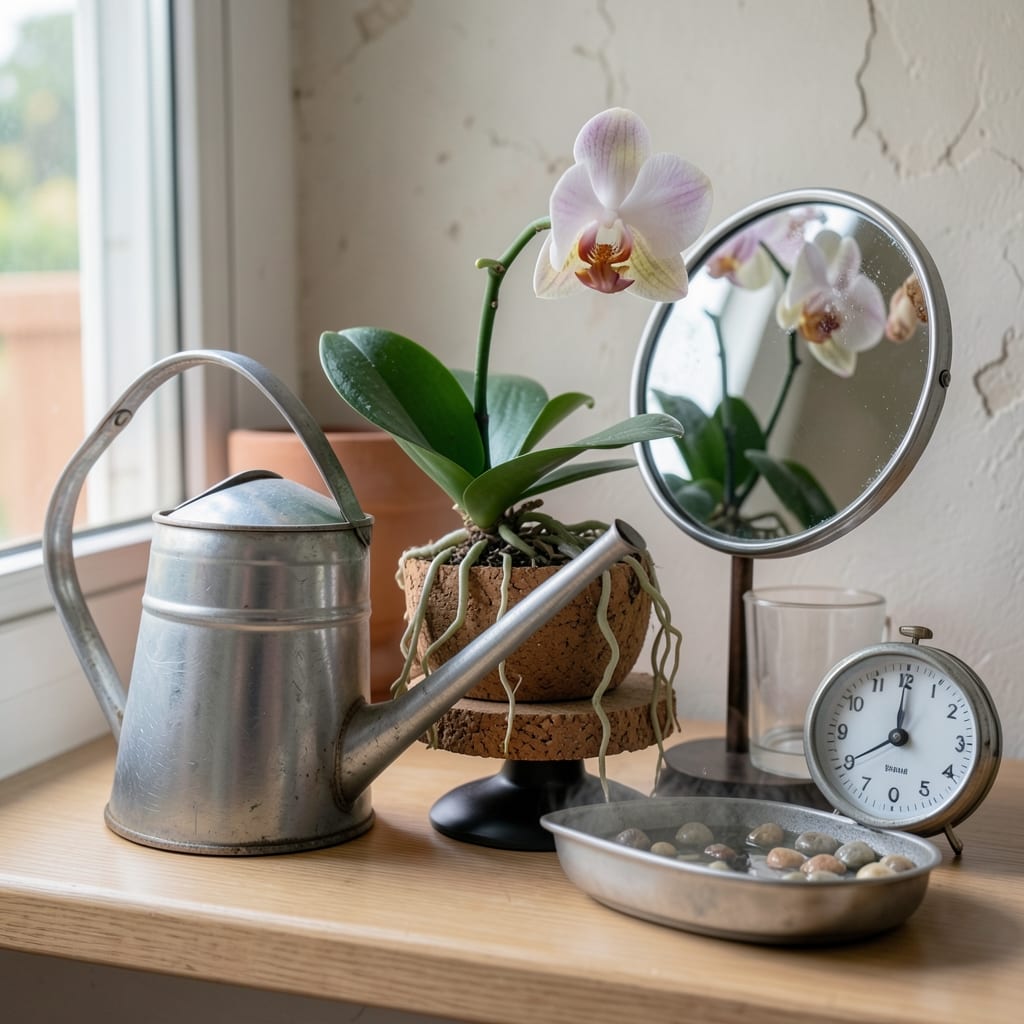
Figuring out how often to water mounted orchids can feel like walking a tightrope—one wrong move, and your stunning 🌸 could suffer. Too much water, and you risk root rot; too little, and your orchid wilts faster than a forgotten houseplant. The good news? With a few simple tricks, you can nail the perfect balance and keep your orchid thriving year-round.
Unlike their potted cousins, mounted orchids rely on airflow and drainage to stay healthy, which means their watering needs are different. I’ve watched mine go from droopy to vibrant just by adjusting my routine, and I’ll show you exactly how to do the same. Whether you’re dealing with dry indoor air or a humid bathroom, these tips will help you water with confidence.
Seasonal changes play a huge role—your orchid’s needs shift from summer’s heat to winter’s dry air. You’ll learn how to check moisture levels without guessing and when to adjust your schedule for optimal growth. Trust me, once you master this, your orchid will reward you with blooms that last for months.
No more second-guessing! By the end, you’ll know exactly when to water, how much to give, and what signs to watch for. Let’s get your mounted orchid the care it deserves—without the stress.
Mounted orchid watering frequency by season: a root-health guide
Your mounted orchid’s watering needs change dramatically with the seasons, just like how you’d adjust your watering routine for a garden bed through summer and winter. The key is understanding how temperature, humidity, and light levels affect moisture loss. In spring, for example, your orchid might need water every 5-7 days as growth ramps up, while winter could stretch that to every 3-4 weeks when dormancy kicks in.
Indoor environments add another layer—dry air from heating or air conditioning can dry out roots faster than outdoor humidity. That’s why my orchids in a sunroom need more frequent misting than those in a bathroom with natural humidity. Let’s break down the ideal schedule for each season and how to adapt it to your specific setup.
🌱
Spring is all about preparing for growth. Your orchid’s roots will start showing new green tips as they wake up from dormancy. This is when you should increase watering frequency to every 5-7 days, especially if you notice the bark mounting drying out faster. A quick test: Gently press the roots—if they feel dry and papery, it’s time to water. For extra humidity, I place my mounted orchids near a shallow tray of water with pebbles, which adds moisture without soggy roots.
Summer brings higher evaporation rates, so even if it’s been 10 days since your last watering, check the roots first. A light green root means it’s happy; silver-gray roots scream for water. If your home has low humidity (like mine does with central AC), consider daily misting in the morning. Pro tip: Water in the early morning so excess moisture evaporates before nightfall, reducing rot risk.
Fall signals a slowdown in growth, so you can space out waterings to every 10-14 days. Watch for shriveled roots—this is your orchid’s way of telling you it’s ready for a drink. This is also the time to reduce fertilizer to half-strength, as the plant focuses on storing energy for winter. If your orchid is outdoors, bring it inside before temperatures drop below 50°F to protect it from cold snaps.
Winter is the dormancy season, and your orchid’s water needs drop dramatically. Most growers water only once a month, but I’ve found that silver-gray roots are normal this time of year—don’t panic! If your home is dry from heating, a humidifier nearby can make a world of difference. Avoid fertilizing entirely during this period; your orchid is conserving energy, not growing.
💧
One common mistake I see is ignoring indoor vs. outdoor conditions. A mounted orchid on a porch in summer may need water every 5 days, while the same orchid indoors with central heating might need it every 3 days. Pay attention to your local climate and adjust accordingly. For example, if you live in a desert climate, your orchid will dry out faster than one in a coastal area with natural humidity.
Another pro tip: Rotate your mounting every few months to ensure even exposure to light and air. This helps prevent root rot on one side while the other side dries out. I like to give my orchids a quarter turn every time I water them, which keeps everything balanced. With these seasonal adjustments, your mounted orchid will stay healthy, blooming, and thr
How to check if your mounted orchid needs water (without guessing)
One of the biggest challenges with mounted orchids is knowing exactly when they’re thirsty. Unlike potted plants, you can’t just stick your finger in the soil—there’s no soil! Instead, you’ll rely on visual cues, tactile checks, and understanding how your orchid’s roots behave at different moisture levels. I’ve learned to trust my fingers and eyes more than a calendar, because every home’s humidity and airflow are unique. Let’s break down the foolproof methods I use to avoid both overwatering and underwatering.
The first thing to check is your orchid’s root color. Healthy, hydrated roots should be light green to dark green, almost like fresh celery. When they’re thirsty, they turn silver-gray, almost metallic-looking. This color change happens because the roots shrink and pull away from the mounting material. I always do a quick visual check whenever I walk past my orchids—if I see that silver-gray shift, it’s time to water. For extra accuracy, I’ll also feel the roots with my fingertips.
🌱
🌱 Key Takeaways: How to Test Your Orchid’s Moisture Needs
- Root Color: Green = hydrated, Silver = thirsty
- Weight Test: Lift mounting—heavy = moist, light = dry
- Tactile Check: Squeeze roots—firm = good, shriveled = needs water
- Mounting Material: Bark dries faster than cork—adjust frequency
- Environment: Indoor AC? Check roots more often than outdoor humidity
"Pro Tip: If your orchid’s leaves start puckering or drooping, it’s already too late—act fast to revive it!"
Next, try the weight test. Gently lift your mounted orchid—if it feels light as a feather, it’s definitely time to water. A properly hydrated mounting should have some noticeable weight, especially if you’re using bark or cork. I’ve found that cork mounts hold moisture slightly longer than bark, so I water them about 2-3 days later than my bark-mounted orchids. This small difference can make a huge impact on root health.
For a more hands-on approach, perform a tactile check. Gently squeeze one of the thicker roots between your thumb and forefinger. If it feels firm and resilient, your orchid is well-hydrated. If it feels shriveled or brittle, it’s begging for water. I like to do this check in the morning before watering—it helps me decide whether to give my orchid a quick mist or a full soak. Over time, you’ll develop a feel for what “just right” moisture feels like.
Environment plays a huge role in how often you need to check. If your home has low humidity (like mine does in winter with the furnace running), I check my orchids’ roots every 3-4 days, even if they look fine. In high-humidity environments, like a bathroom or greenhouse, I can stretch it to 7-10 days between checks. The key is to adjust your routine based on where your orchid lives—what works for a sunroom might not work for a living room.
Finally, watch for subtle signs of stress. If your orchid’s leaves start yellowing at the tips or developing black spots, it’s often a sign of overwatering. On the flip side, wrinkled leaves or drooping pseudobulbs usually mean it’s underwatered. I keep a small notebook near my orchids to jot down when I water and how the roots look—this helps me spot patterns over time. For example, I noticed my Phalaenopsis always needs water 3 days earlier than my Cattleya because of its thinner roots.
💧
Remember, there’s no one-size-fits-all answer. The best way to learn is to observe your specific orchid and adjust based on its behavior. Start with these methods, keep track of what works, and soon you’ll have a watering routine that feels second nature. Your orchid will thank you with vibrant blooms and healthy roots all year round!