
Size
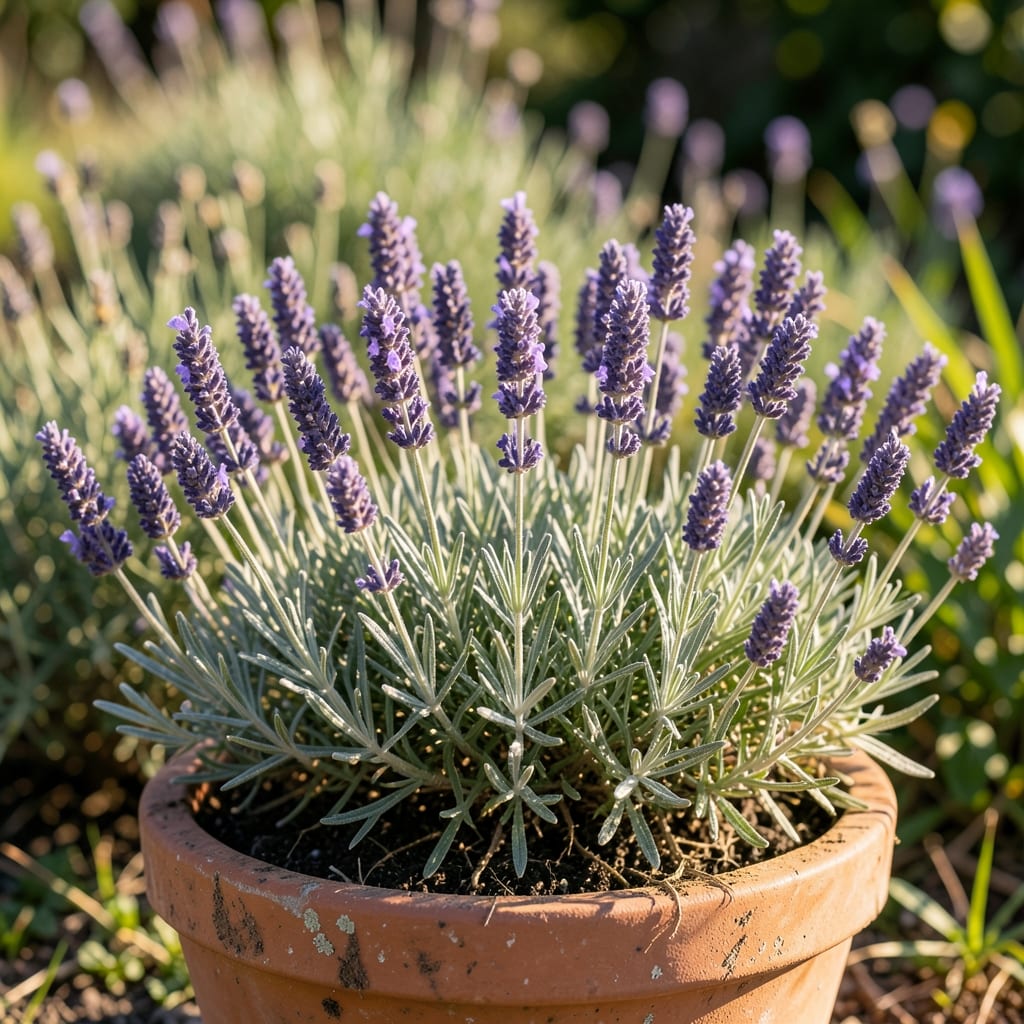
Wondering how tall and wide does lavender grow before you commit to planting? The answer isn't one-size-fits-all—it depends on the variety, your climate, and how you care for it. Some types stay compact at just 1-2 feet, while others reach towering 3-4 feet with proper spacing.
If you're dreaming of a fragrant hedge or a low-maintenance border, knowing these dimensions is the key to avoiding overcrowding. English lavender, for example, typically grows 2-3 feet tall and wide, while Spanish lavender can stretch up to 4 feet if left unchecked. Pruning isn't just about aesthetics—it directly controls how much space your 🌿 lavender will occupy.
I’ll break down the exact mature sizes for popular varieties and share how pruning can shrink or shape your plants. Whether you’re working with USDA Zone 6a conditions or planning a spring garden, these insights will help you design a layout that thrives. From spacing recommendations to pruning tips, you’ll discover how to keep your lavender lush without letting it take over your yard. Ready to plan like a pro? Let’s dive in.


Lavender growth dimensions by popular variety: height, spread, and spacing guide
Lavender isn’t a one-size-fits-all plant—its mature size varies dramatically by variety. If you’re designing a garden, knowing these dimensions helps you avoid overcrowding while maximizing fragrance and beauty. For example, English lavender stays compact at 2-3 feet tall and wide, making it perfect for borders, while Spanish lavender can reach 3-4 feet with a wider spread. These differences aren’t just about aesthetics—they impact airflow, sunlight exposure, and even how often you’ll need to prune.
Spacing is critical for lavender’s health. Plants that are too close compete for nutrients and sunlight, leading to leggy growth or disease. Most varieties need 12-24 inches between plants, but some dwarf types can thrive in tighter clusters. I’ll walk you through the exact spacing needs for each type, plus how climate and soil conditions can influence growth. Whether you’re in USDA Zone 6a or a warmer region, these guidelines ensure your lavender thrives without taking over your garden.
Here’s the key: pruning isn’t optional for controlling size. Without regular trimming, even compact varieties like French lavender can sprawl beyond their ideal dimensions. But with the right approach, you can shape lavender to fit any space—whether you want a 3-foot hedge or a 1-foot container plant. Let’s start with the dimensions for the most popular varieties.
| Variety | Mature Height | Mature Width | Spacing Needs | Best For |
|---|---|---|---|---|
| English Lavender | 2-3 ft | 2-3 ft | 12-18 in apart | Borders, hedges, containers |
| French Lavender | 1-2 ft | 1-2 ft | 12 in apart | Rock gardens, containers, edging |
| Spanish Lavender | 3-4 ft | 3-4 ft | 24 in apart | Background plants, tall hedges |
| Grosso Lavender | 2-3 ft | 3-4 ft | 18-24 in apart | Fragrant hedges, pollinator gardens |
| Dwarf Varieties (e.g., 'Hidcote') | 1-1.5 ft | 1-1.5 ft | 6-12 in apart | Containers, window boxes, fairy gardens |
Notice how Spanish lavender and Grosso lavender demand more space? That’s because they grow taller and wider, creating a dramatic backdrop in your garden. On the flip side, French lavender and dwarf varieties are ideal for small spaces or containers. The spacing recommendations above ensure each plant gets enough airflow to prevent fungal diseases like root rot, which thrives in crowded, damp conditions.
Climate plays a surprising role in lavender’s size. In warmer zones (7b+), lavender often grows taller and bushier due to longer growing seasons. In cooler zones like Zone 6a, growth may be slower, but pruning can encourage denser foliage. For example, English lavender in a mild climate might reach 3 feet tall, while the same variety in a colder zone could max out at 2 feet without extra care.
If you’re planting lavender in containers, choose dwarf varieties or prune regularly to control size. A 1-gallon pot works for small types like 'Hidcote', while larger varieties need 5-gallon containers with drainage holes. Without proper drainage, lavender’s roots suffocate, leading to stunted growth or death. Always use a well-draining soil mix with perlite or sand to mimic its natural Mediterranean habitat.
Pro tip: Mulch around lavender to retain moisture and suppress weeds, but avoid piling mulch against the stems—this can cause rot. A 2-inch layer of gravel or straw keeps the soil cool and prevents moisture buildup. This small adjustment can make a big difference in your lavender’s longevity and size.
Ready to plan your layout? Start by sketching your garden with the mature sizes in mind. Place taller varieties like Spanish lavender at the back and compact types like French lavender in the front. This creates a layered look while ensuring every plant gets the sunlight it needs. And remember: pruning isn’t just for shaping—it’s how you control lavender’s growth from the start.
🌿
How pruning affects lavender size: when, how, and why it shrinks your plants
Pruning isn’t just about keeping lavender looking neat—it’s the secret weapon for controlling its height and width. Without regular trimming, even compact varieties like English lavender can grow 20-30% taller and twice as wide. The key is understanding how pruning influences growth patterns. For example, aggressive pruning after flowering encourages bushier, shorter growth, while minimal trimming lets lavender grow taller and more upright. This difference is why your Spanish lavender might reach 4 feet if left unchecked, but stay at 2 feet with proper shaping.
Timing is everything when it comes to pruning lavender. The best time to prune is immediately after flowering, typically in late summer (August-September). This gives your plant time to recover before winter. If you prune in spring, you risk encouraging new growth that won’t harden off before cold weather. I’ve seen many gardeners make the mistake of pruning in early spring, only to watch their lavender produce weak, leggy stems that flop over by summer. Always wait until after the first flush of flowers has faded.
Here’s how pruning directly affects lavender’s size: cutting back one-third of the plant’s height typically reduces its mature height by 50%. For instance, a 3-foot Spanish lavender can be pruned down to 1.5 feet with regular maintenance. The same principle applies to width—shearing the sides encourages lateral growth, making your lavender fuller but not necessarily wider. This technique is perfect for creating hedges or borders where uniform size is key. Just remember: never remove more than one-third of the plant’s growth in a single session, or you risk stressing the plant.
Pruning Lavender: Pros and Cons
✂️ DO:
- Prune after flowering to encourage new growth
- Use sharp shears for clean cuts (avoid tearing stems)
- Shape gradually—never remove >1/3 of growth at once
- Focus on woody stems to maintain plant health
❌ DON'T:
- Prune in spring—wait until after flowering
- Use dull tools that crush stems
- Over-prune—this can kill the plant
- Prune old wood (brown stems)—it won’t regrow
The tools you use make a huge difference in how well lavender responds to pruning. I recommend using bypass pruners for clean cuts on woody stems and hedge shears for shaping larger plants. Avoid using loppers—they can crush stems and leave ragged edges that invite disease. For container-grown lavender, a small pair of hand pruners works perfectly. Always sterilize your tools with rubbing alcohol between cuts to prevent spreading fungal spores, especially if your lavender shows signs of powdery mildew.
Seasonal pruning is another game-changer for controlling lavender size. In Zone 6a, where winters are colder, I recommend a light pruning in late winter to remove any dead or damaged stems before new growth begins. This keeps the plant healthy and encourages stronger regrowth. In warmer climates, you might need to prune twice a year—once after flowering and again in late summer to shape the plant for winter. The goal is to balance growth so your lavender doesn’t become top-heavy or leggy. With the right approach, you can keep even the tallest varieties like Spanish lavender at a manageable 2-3 feet tall.
One common misconception is that pruning will stunt lavender’s growth permanently. The truth is the opposite: proper pruning stimulates denser, healthier growth. When you trim lavender correctly, you’re encouraging the plant to produce more side shoots, which results in a fuller, bushier appearance. For example, if you’re growing English lavender for its fragrance, pruning it back by one-third after flowering will give you a more aromatic plant with thicker stems. The key is consistency—prune at the right time every year, and your lavender will reward you with compact, vibrant growth.
🌿 Ready to take control of your lavender’s size? Start with a light pruning this fall, and you’ll see a noticeable difference in next year’s growth. Whether you’re aiming for a neat hedge or a wild, fragrant border, pruning is your best tool for shaping lavender to fit your space perfectly.