
How To
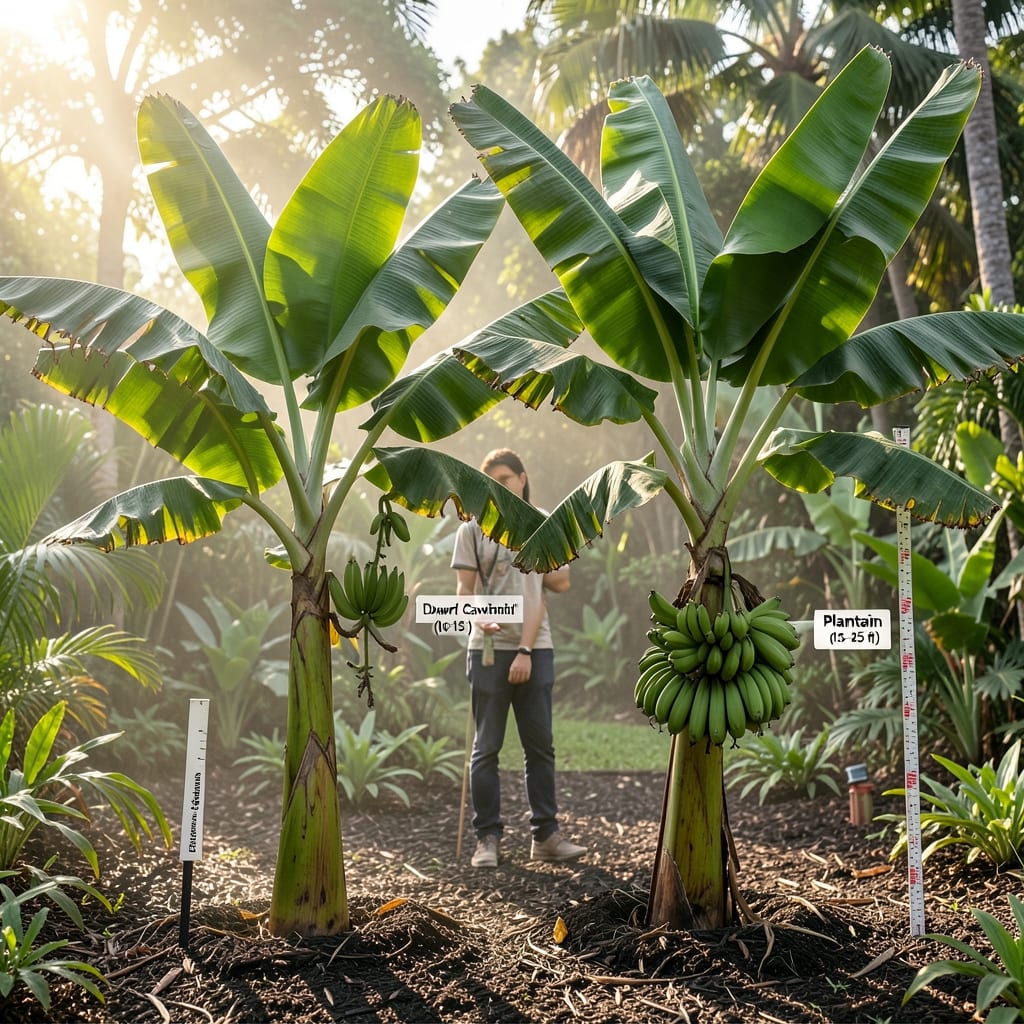
If you’ve ever wondered how tall a banana tree can grow, the answer might surprise you: some varieties stretch toward the sky like a tropical skyscraper—up to 30 feet tall! But not all banana trees reach those impressive heights, and understanding the differences can help you choose the perfect variety for your space and climate.
Whether you’re dreaming of a lush, productive 🍌 tree in your backyard or curious about managing its size, knowing the height range is key. Dwarf varieties stay compact, while standard and giant types can dwarf even the tallest two-story homes. Let’s break down what to expect and how to nurture your banana tree to its full potential.
The height of your banana tree depends on more than just genetics—climate, soil quality, and care all play a role. With the right conditions, you can encourage healthier growth, whether you want a manageable dwarf or a towering tropical giant. I’ll share the secrets to maximizing your tree’s height without losing control.
From selecting the best variety for your garden to mastering care techniques, you’ll discover everything you need to grow a banana tree that thrives. Ready to unlock the secrets of these fascinating plants? Let’s dive in.

Banana tree height by variety: from dwarf to giant species
If you're wondering how tall a banana tree can grow, the answer depends entirely on the variety you choose. Some banana trees stay compact, perfect for small gardens, while others shoot up like skyscrapers in tropical climates. The key is selecting the right cultivar for your space and growing conditions. Dwarf varieties offer manageable heights, while giant species can dwarf even the tallest two-story homes.
For home gardeners, dwarf banana trees like the Dwarf Cavendish are popular choices, typically reaching 10 to 15 feet at maturity. These smaller varieties are ideal for containers or tight spaces, making them perfect for urban gardens. Meanwhile, standard varieties like the Grand Nain can grow 15 to 25 feet, offering a balance between manageable size and productivity.
Now, let's dive into the specifics with a comparison table of banana tree heights by variety. This will help you visualize the differences and choose the best fit for your garden.
🌱 Banana Tree Height Comparison
| Variety | Height Range | Growth Rate | Ideal Climate |
|---|---|---|---|
| Dwarf Cavendish | 10-15 ft | Moderate | Tropical/Subtropical |
| Lady Finger | 12-18 ft | Fast | Tropical |
| Grand Nain | 15-25 ft | Moderate | Tropical |
| Red Dacca | 20-30 ft | Very Fast | Tropical |
| Bluggoe | 18-22 ft | Moderate | Subtropical |
The Red Dacca variety is one of the tallest, often reaching 30 feet or more in ideal conditions. This makes it better suited for large gardens or tropical landscapes where space isn't a concern. Meanwhile, the Lady Finger variety is a fast grower, perfect if you're eager to see quick results but still want a manageable size.
If you're growing banana trees in containers, opt for dwarf varieties like the Dwarf Cavendish. These can thrive in large pots (20+ gallons) and still produce fruit, making them ideal for balconies or patios. Just ensure the container has good drainage to prevent root rot, which can stunt growth.
For those in subtropical climates, varieties like Bluggoe are excellent choices. They tolerate slightly cooler temperatures better than tropical varieties, making them more adaptable to regions with mild winters. Always check your local USDA hardiness zone to ensure you're selecting a variety that will thrive in your area.
Remember, the height of your banana tree isn't just about the variety—it's also influenced by how you care for it. Providing rich, well-draining soil, consistent moisture, and adequate sunlight will encourage healthier growth. In the next section, we'll explore the factors that influence banana tree height so you can give your plant the best chance to reach its full potential.
🌿
Factors that influence banana tree height: climate, soil, and care
Now that you know which banana tree varieties to choose based on height, let’s explore what makes them grow tall—or keeps them compact. The height of your banana tree depends on more than just genetics. Factors like climate conditions, soil quality, and care practices play a huge role in determining how towering your tropical giant will become.
Banana trees thrive in tropical and subtropical climates, where warm temperatures and high humidity encourage rapid growth. In cooler regions, growth slows significantly, and trees may never reach their full potential height. For example, a Red Dacca in Florida could easily hit 30 feet, while the same variety in California might max out at 20 feet due to milder winters.
Soil quality is another critical factor. Banana trees need well-draining, nutrient-rich soil with a slightly acidic pH (around 6.0-7.5). Poor soil can stunt growth, while organic matter like compost or aged manure promotes taller, healthier plants. If your soil is heavy clay or sandy, amending it with peat moss or coconut coir can improve drainage and nutrient retention.
🌱 Key Factors Affecting Banana Tree Height
| Factor | Impact on Height | Optimal Condition |
|---|---|---|
| Climate | Warmer = taller growth | 70-90°F, high humidity |
| Soil | Poor soil = stunted growth | Rich, well-draining, pH 6.0-7.5 |
| Water | Over/under-watering = weak growth | Deep watering, 10-15 gallons weekly |
| Fertilizer | Lack of nutrients = slower growth | Balanced 10-10-10, every 6-8 weeks |
| Pruning | Over-pruning = reduced height | Remove dead leaves, minimal trimming |
Watering is another critical factor. Banana trees need consistent moisture, especially during their growing season. However, overwatering can lead to root rot, while underwatering stresses the plant and slows growth. Aim for deep watering 2-3 times per week during hot months, reducing slightly in cooler seasons.
Fertilization also plays a key role. A balanced 10-10-10 fertilizer applied every 6-8 weeks provides the nutrients needed for tall, productive growth. Avoid over-fertilizing, as this can burn roots and stunt development. Organic options like banana peel compost or fish emulsion are excellent natural choices.
Finally, pruning practices can influence height. While banana trees don’t need heavy pruning, removing dead or yellowing leaves improves airflow and directs energy to new growth. Avoid aggressive trimming, as this can reduce the tree’s ability to photosynthesize and grow tall. With the right care, your banana tree can reach its full height potential—whether that’s a compact 10 feet or a majestic 30 feet.
🌳