
Size
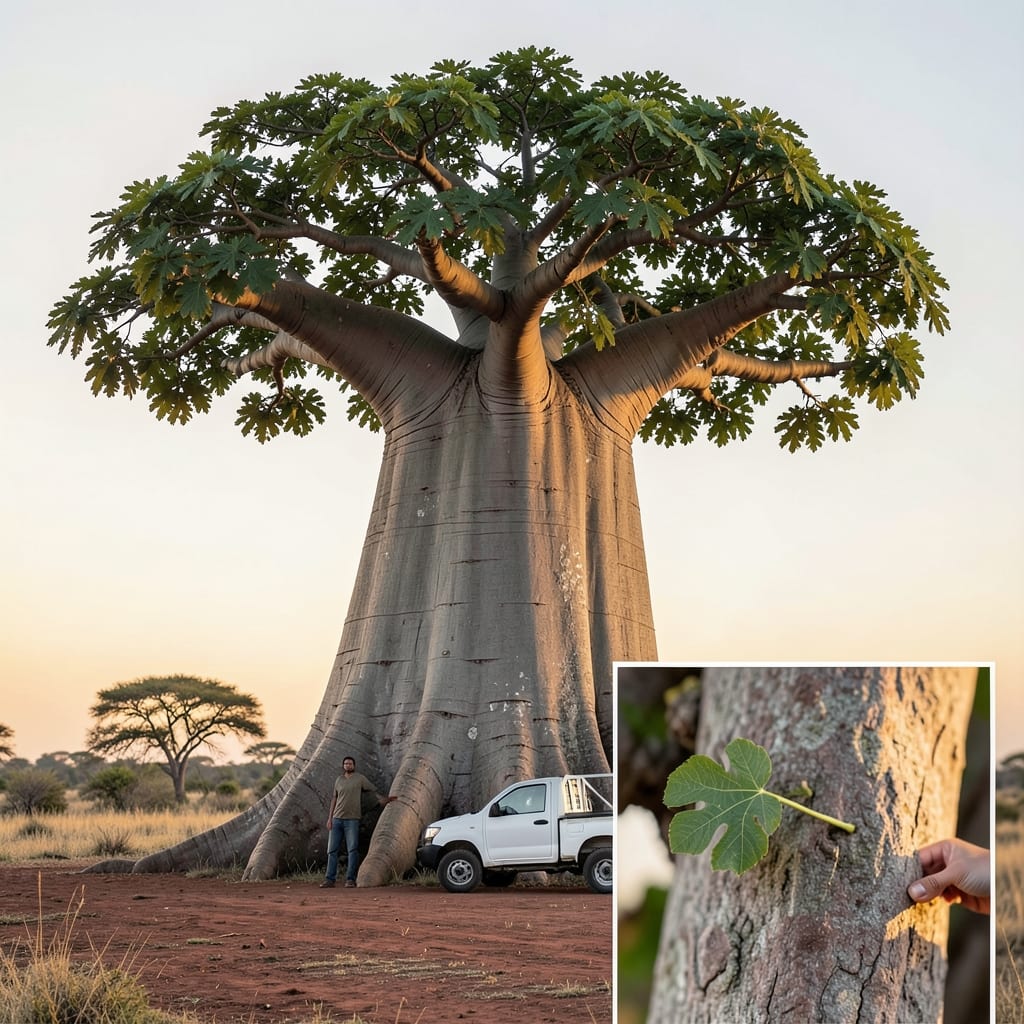
If you’ve ever wondered how tall can a baobab tree grow, the answer might surprise you—these ancient giants can stretch taller than a 10-story building, with some reaching heights of 80 feet or more in their natural habitats. Native to Madagascar, Africa, and Australia, the baobab tree 🌳 isn’t just a symbol of endurance; it’s a living monument to nature’s patience, growing at a steady but impressive pace over centuries.
What makes these trees grow so tall? The answer lies in their ideal conditions—full sun, well-draining soil, and the right climate in zones 10-11. While they’re not fast growers, their slow-and-steady approach pays off, with some specimens living for over 1,000 years. Whether you’re dreaming of growing one in your landscape or simply fascinated by their size, understanding their growth secrets is the first step to appreciating these natural wonders.
But here’s the catch: while baobabs can reach staggering heights in the wild, growing one at home requires careful planning. From choosing the right location to avoiding common pitfalls that stunt their growth, there’s a lot to consider. If you’re curious about whether a baobab tree could ever grace your backyard—or how to give it the best shot at reaching its full potential—you’re in the right place.
Let’s dive into the science behind their height, the factors that influence their growth, and whether you can cultivate one of these majestic trees in your own space. Spoiler: it’s possible, but it takes time, patience, and the right conditions.


Baobab tree height records: tallest species and their staggering measurements
The baobab tree (Adansonia digitata) isn’t just a symbol of Africa’s landscapes—it’s a living skyscraper with some specimens reaching heights that defy imagination. The tallest wild baobabs tower over 80 feet, with legendary giants like Sunland Baobab in South Africa boasting trunks wider than a 20-foot diameter. These trees grow taller than a 10-story building and live for millennia, making them nature’s true giants.
Not all baobabs are created equal. The African baobab (Adansonia digitata) typically reaches 50-80 feet, while the grandidieri baobab (A. grandidieri) of Madagascar can stretch up to 100 feet in ideal conditions. The Australian baobab (A. gregorii), though smaller, still grows to 60 feet in the wild. Their height isn’t just about age—it’s a mix of genetics, climate, and soil quality.
Age matters, and baobabs grow slower than most trees. A 100-year-old baobab might only be 20-30 feet tall, but given enough time, it can reach its full height. The oldest recorded baobabs, like the 1,275-year-old "Giant of Baralaba" in Australia, showcase how patience pays off in their growth. Their massive trunks store water for droughts, allowing them to survive and grow taller over centuries.
Trunk circumference is just as impressive as height. Some baobabs have trunks wider than a 40-foot diameter, creating hollow interiors large enough to shelter 30 people. This unique adaptation helps them store water and nutrients, fueling their vertical growth. The Sunland Baobab holds the record for the largest trunk volume—over 3,600 cubic feet—proving that size isn’t just about height but also about sheer bulk.
Here’s how the tallest baobab species compare in real-world measurements:
The Sunland Baobab in Limpopo, South Africa, is a prime example of a monumental baobab. Standing at 80 feet tall with a trunk diameter of 36 feet, it’s one of the most photographed trees in the world. Its hollow interior is so vast that it can fit an entire family car inside. This tree isn’t just tall—it’s a living landmark that attracts thousands of visitors yearly.
In Madagascar, the grandidieri baobab holds its own with heights exceeding 100 feet in some cases. These trees thrive in the island’s dry deciduous forests, where they’ve adapted to store massive amounts of water in their trunks. Their height is a testament to the extreme resilience of baobabs in harsh climates. Unlike many trees that struggle in droughts, baobabs thrive, growing taller and wider with each passing decade.
Even in captivity, baobabs can grow surprisingly
What determines a baobab tree’s height? Climate, soil, and growth secrets
A baobab tree’s height potential isn’t just about genetics—it’s a delicate balance of climate conditions, soil quality, and even human influence. In their native habitats, like the African savannas or Madagascar’s dry forests, baobabs thrive where temperatures stay warm year-round (zones 10-11) and rainfall is seasonal but intense. These trees rely on deep water storage in their trunks, so consistent moisture during growth spurts—typically in spring and summer—is critical. Without enough water, their growth stalls, and they focus on survival rather than reaching for the sky.
The soil composition plays a surprising role too. Baobabs prefer well-draining, sandy loam with a slightly alkaline pH (7.0-8.5). Heavy clay soils can suffocate their roots, while rocky terrain forces them to grow shallower root systems, limiting their height. In Madagascar, the grandidieri baobab reaches its 100-foot maximum because the island’s calcareous soils provide the perfect mix of nutrients and drainage. Compare that to Australia’s stony soils, where A. gregorii tops out at 60 feet—proof that soil chemistry directly impacts their vertical growth.
Rainfall patterns are another game-changer. Baobabs in semi-arid regions grow slower but develop thicker trunks to store water, while those in coastal areas with more consistent moisture grow taller but may have thinner trunks. For example, the Sunland Baobab in South Africa’s Limpopo province benefits from summer rains, allowing it to grow 2-3 feet taller per decade during its prime years. In contrast, baobabs in drier inland areas might only gain 1 foot per decade, explaining why some never reach their full height potential.
Human activity can also stunt or accelerate growth. In protected reserves like Madagascar’s Tsingy de Bemaraha, baobabs grow unchecked, reaching their maximum heights of 100+ feet. But in urban areas or farms, over-pruning, compaction from foot traffic, or pollution can limit their growth. Even well-meaning gardeners accidentally stunt baobabs by overwatering or using high-nitrogen fertilizers, which encourage leafy growth over height. The key is to mimic their natural, low-intervention environment as closely as possible.
Here’s how the ideal growing conditions compare for baobabs in different regions:
Even the time of year matters. Baobabs in Madagascar grow most rapidly during the hot, wet season (November-April), when they can add up to 3 feet per year if conditions are perfect.