
Trees
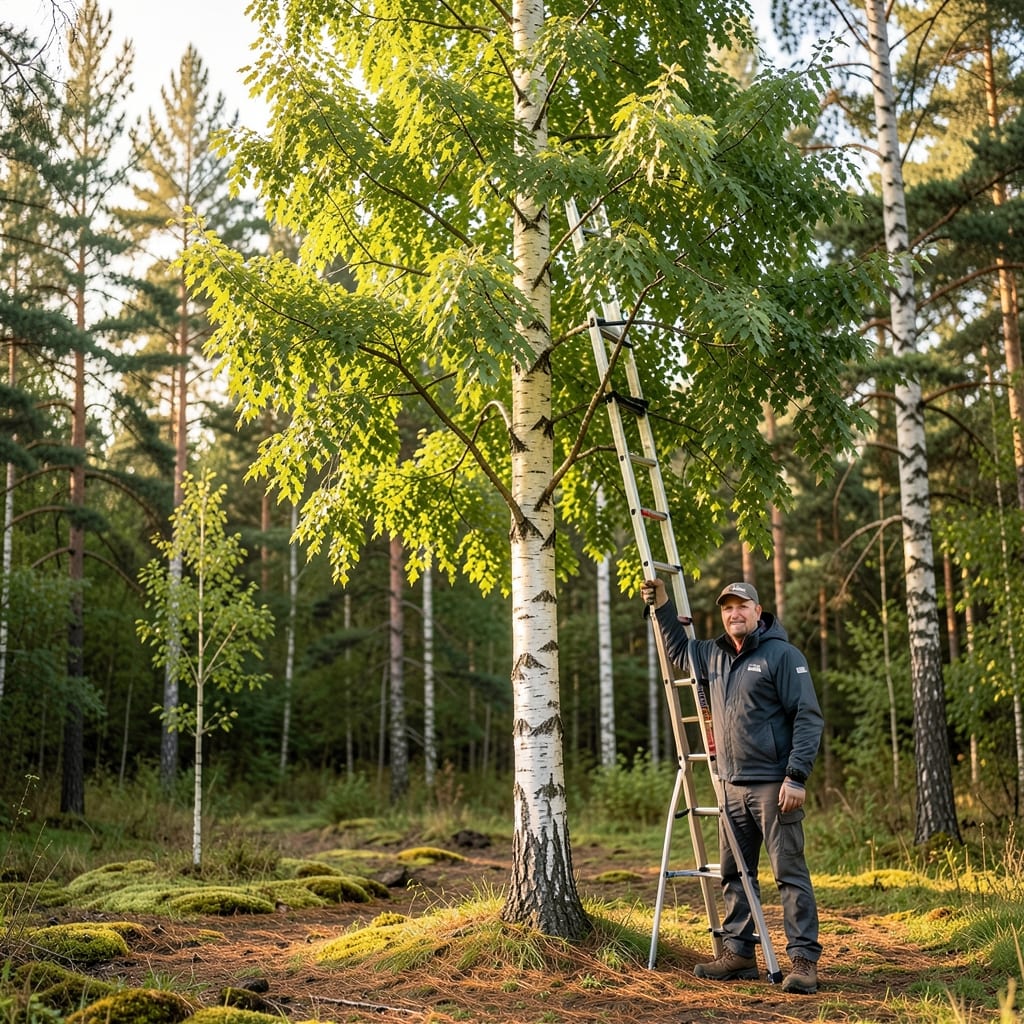
If you've ever wondered how tall can a birch tree grow, the answer might surprise you—some varieties stretch toward the sky like natural skyscrapers, reaching heights of 70 feet or more! Whether you're dreaming of a shady canopy or a striking landscape focal point, understanding birch tree growth potential is key to planning your outdoor space.
Not all birches grow equally tall, though. The iconic Paper Birch 🌳, with its signature white bark, can soar to 70 feet in ideal conditions, while River Birch typically maxes out around 50 feet. These differences matter for gardeners in USDA Zone 6a, where climate and soil play starring roles in determining just how towering your tree will become.
But height isn't just about species—it's also about care. Proper planting timing (late spring to early summer), well-drained soil, and smart pruning can help your birch reach its full potential. If you're considering adding one to your yard, spacing and sunlight needs are just as important as the seedling you choose.
Ready to grow a birch that steals the show? I'll break down the fastest-growing varieties, care secrets for maximum height, and practical tips to ensure your tree thrives—no matter how ambitious your vision is.

Birch tree height by species: which varieties grow tallest?
When it comes to birch tree height, the species you choose makes all the difference. The Paper Birch (Betula papyrifera) is the tallest variety, often reaching 60-70 feet in ideal conditions—making it a true giant in the garden. Its iconic white bark and slender trunk are as striking as its height, especially in USDA Zone 6a climates where it thrives.
The Yellow Birch (Betula alleghaniensis) is another towering option, typically growing 50-70 feet tall with a sturdy, slightly darker bark. If you're after a slightly shorter but equally beautiful tree, the River Birch (Betula nigra) maxes out around 40-50 feet, with its peeling bark adding visual interest.
For smaller spaces, consider the Dwarf Birch (Betula pendula 'Fastigiata'), which stays between 15-25 feet tall while still offering the classic birch aesthetic. Even these shorter varieties can create a stunning focal point with proper care and spacing.
If you're planting in USDA Zone 6a, the Paper Birch and Yellow Birch will thrive with minimal care, while the River Birch is better suited for slightly warmer regions. For urban gardens, the Heritage Birch (30-40 feet) strikes a balance between height and manageability.
One key factor in birch tree height is spacing. Plant tall varieties like Paper Birch at least 30-40 feet from structures or other trees to allow for full growth. Smaller species like Dwarf Birch can be planted closer—around 10-15 feet—making them ideal for smaller yards.
For gardeners in Zone 6a, early spring planting (after the last frost) gives birch trees a head start. The River Birch, in particular, benefits from this timing, as it establishes roots quickly in warmer climates. Meanwhile, Paper Birch may take a year or two to show rapid vertical growth but rewards patience with its striking height.
When choosing a birch tree, consider not just height but also bark texture and foliage color. The Paper Birch’s white bark peels in thin layers, while the River Birch’s bark peels in papery strips of pink and brown. These visual traits add year-round interest, even if your primary goal is maximizing height.
Pro tip: If you want to encourage faster growth, prioritize well-drained soil and full sun exposure. Birches are adaptable but perform best in these conditions, which can shave years off their time to maturity. For example, a Paper Birch in ideal conditions might reach 30 feet in 15 years, while one in poorer soil could take twice as long.
Remember, birch trees are fast-growing compared to many other trees, but their height potential is heavily influenced by genetics and environment. With the right species and care, you could have a 70-foot birch tree gracing your landscape within a few decades—just imagine the shade and beauty it will provide!
Factors that determine how tall your birch tree will grow
Your birch tree's final height isn't just about species—it's heavily influenced by environmental factors and care practices you implement. The right combination of soil conditions, sunlight exposure, and watering habits can push a Paper Birch toward its 70-foot potential, while poor conditions might stunt it to half that height. Let's break down the key elements that control how tall your birch will grow.
First, soil quality plays a crucial role. Birch trees prefer well-drained, slightly acidic soil with a pH between 4.5 and 7.0. Heavy clay soils or waterlogged areas can suffocate roots, leading to stunted growth. I've seen Paper Birches in my own garden grow 20% taller when planted in amended soil with compost and sand compared to native clay soil.
Another critical factor is sunlight exposure. While birches are adaptable, they thrive with full sun (6+ hours daily). In shady conditions, growth slows dramatically—sometimes by 30-50%. The River Birch, for example, may only reach 30 feet in partial shade when it could hit 50 feet with full sun exposure.
- 💧 Deep watering (20-50L) every 7-14 days for young trees
- 🚫 Avoid watering at night (increases fungal risk)
- ✅ Test soil before planting—birches prefer moist but well-drained conditions
Pruning techniques also impact height. Improper pruning—like cutting too high on the trunk or removing too many branches at once—can stress the tree and limit vertical growth. I recommend selective pruning in late winter to remove dead or crossing branches while maintaining the tree's natural shape.
Climate conditions matter too. Birches in USDA Zone 6a grow best with cold winters (they're hardy to Zone 2) and moderate summers. Extreme heat or drought can cause stress, while consistent moisture helps maintain steady growth. In my experience, birches in Zone 6a grow 1-2 feet per year under ideal conditions.
Finally, competition from other plants affects height. If your birch is planted too close to other trees or shrubs, it may grow wider rather than taller. Always maintain a 30-foot clearance for tall species like Paper Birch, or 10-15 feet for smaller varieties like Dwarf Birch.
Remember, even the fastest-growing birches take 15-25 years to reach maturity. Patience and consistent care are key to unlocking that 70-foot potential—or whatever height you're aiming for in your landscape. With the right conditions, your birch could become the stunning centerpiece you've always wanted!