
How To
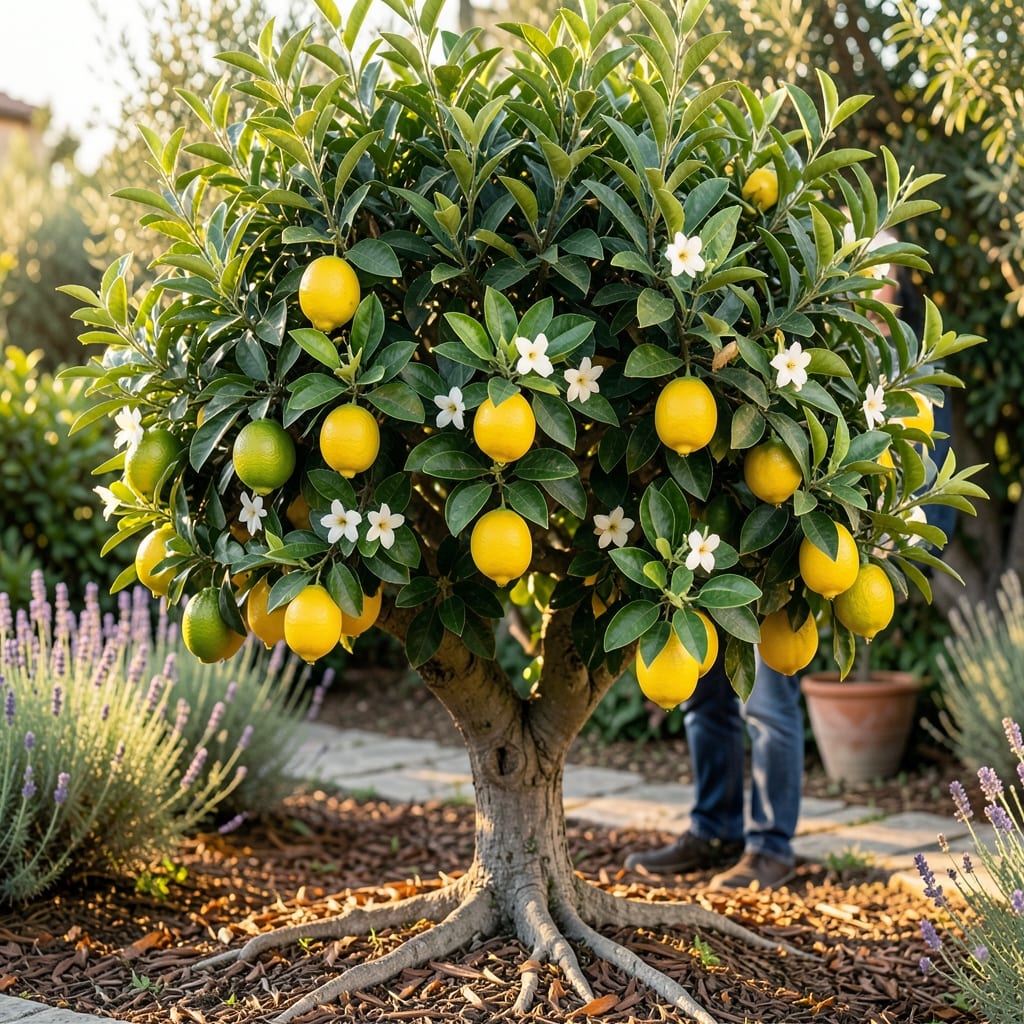
Ever wondered just how tall your 🍋 lemon tree could grow—from a cute patio-sized bush to a towering backyard giant? The answer isn't just about the variety you choose, but also where you live, how you care for it, and even the pruning techniques you use.
Some lemon trees stay compact at just 6-10 feet, perfect for small gardens or containers, while others can stretch toward the sky, reaching 40-50 feet in ideal conditions. The key to managing their size lies in understanding your climate, soil, and the specific needs of your tree's variety.
In this guide, I'll break down everything you need to know—from dwarf varieties that fit cozy balconies to hardy giants that thrive in spacious yards. You'll learn how to control growth naturally, whether you're dreaming of a homegrown harvest or just want a manageable-sized tree.
Whether you're a first-time gardener or a seasoned green thumb, these insights will help you pick the perfect lemon tree for your space—and keep it healthy for years to come.

Lemon tree height by variety: from dwarf to giant sizes
If you're dreaming of a lemon tree in your garden or patio, the first question is almost always: how tall will it grow? The answer varies wildly—from a 3-foot dwarf perfect for containers to a 50-foot towering giant that needs a full backyard. The variety you choose determines not just height, but also fruit size, cold hardiness, and even flavor.
For example, the Meyer lemon stays compact at 6-10 feet, making it ideal for small spaces, while the Villafranca lemon can reach 40-50 feet in tropical climates. Understanding these differences helps you pick the right tree for your space, climate, and gardening goals.
Below, I’ve broken down the most popular lemon tree varieties by their mature height, growth habits, and ideal conditions. This comparison will help you visualize which size fits your garden—and how to manage growth naturally.
| Variety | Mature Height | Growth Habit | Best For | Cold Hardiness |
|---|---|---|---|---|
| Meyer Lemon | 6–10 ft | Compact, bushy | Containers, small gardens | USDA Zones 8–11 |
| Improved Meyer | 8–12 ft | Upright, spreading | Pots, patios, small yards | USDA Zones 9–11 |
| Eureka | 20–30 ft | Tall, upright | Large gardens, orchards | USDA Zones 9–11 |
| Villafranca | 40–50 ft | Massive, spreading | Tropical climates, large estates | USDA Zones 10–11 |
| Ponderosa | 15–25 ft | Large, spreading canopy | Shade trees, large containers | USDA Zones 9–11 |
| Lisbon | 25–40 ft | Tall, narrow | Commercial orchards, large yards | USDA Zones 9–11 |
As you can see, the Meyer lemon and its improved varieties are the best choices for small spaces, while Eureka and Villafranca are better suited for large gardens or tropical climates. If you're in a cooler zone (like USDA Zone 8 or below), dwarf varieties like Improved Meyer are your best bet—they’re hardier and easier to protect from frost.
But height isn’t just about the variety—it’s also about growing conditions. A lemon tree planted in full sun with well-draining soil and regular pruning will grow taller and fuller than one struggling in shade or poor soil. For example, a Ponderosa lemon in a sunny California garden might reach 25 feet, while the same tree in a shady, container-bound setting could stay under 15 feet.
If you're growing lemons in containers, expect even more control over height. Root-bound trees grow slower and stay smaller, making dwarf varieties like Meyer lemons perfect for balconies or patios. Just ensure your container is at least 15–
How to control lemon tree height naturally: pruning and care tips
Once you’ve picked your lemon tree variety, the next step is managing its growth—especially if you’re working with limited space or want to encourage fruit production. The good news? You can naturally control height through pruning techniques, container gardening, and seasonal care. Unlike forced dwarfing (which can stress the tree), these methods promote healthy growth while keeping your lemon tree at your desired size.
For dwarf varieties like Meyer lemons, pruning is mostly about shaping and encouraging bushiness. For larger varieties like Eureka or Villafranca, strategic pruning helps manage height while improving airflow and fruit yield. The key is timing—prune at the right season and use the right techniques to avoid stunting growth or inviting pests.
Here’s how I manage my lemon trees’ height naturally, whether they’re in pots or planted in the ground. These tips work for all varieties, but I’ll focus on the most common challenges—like keeping a Ponderosa lemon from becoming a backyard jungle or trimming a Meyer lemon for a compact patio look.
🌱 Pro Tip: Prune for Purpose
Pruning isn’t just about cutting branches—it’s about directing growth. To control height:
- For dwarfs: Trim new growth tips to encourage bushiness.
- For tall varieties: Remove vertical leaders to redirect energy to fruit production.
- For containers: Prune root-bound roots (gently!) to slow height growth.
Always use sterilized tools to prevent disease. The best time to prune is late winter or early spring, just before new growth starts.
If you’re growing your lemon tree in a container, height control becomes even easier. Root-bound trees naturally grow slower and stay smaller, which is why Meyer lemons thrive in 15–25 gallon pots. To maximize space, I recommend:
- Use well-draining soil mixed with compost to encourage root health.
- Choose a wide, shallow pot (12–18 inches deep) to promote lateral growth over height.
- Fertilize lightly in spring and summer to avoid rapid, unchecked growth.
- Rotate the pot quarter-turns every 2 weeks for even sunlight exposure.
For ground-planted trees, focus on seasonal pruning and soil health. Lemon trees in full sun with well-draining soil grow faster, so if you’re in a warm climate (like USDA Zone 10), expect taller growth. To manage this:
Start by pruning in late winter to remove dead or crossing branches. Then, in summer, trim new vertical shoots to encourage a fuller, bushier shape. Avoid heavy pruning in fall or winter, as this can stress the tree before dormancy.
One mistake I see often is over-pruning to keep trees small, which can weaken the tree and reduce fruit production. Instead, aim for 20–30% of the tree’s foliage in a single pruning session. For example, if your Eureka lemon is reaching 25 feet, focus on trimming the top third to slow height growth while keeping the lower branches intact for fruit.
Remember, even giant varieties like Villafranca can be managed with patience. With the right pruning schedule and care routine, you can enjoy a healthy, productive lemon tree—whether it’s a 3-foot patio treasure or a 20-foot backyard staple. The secret? Consistency and observation. Watch how your tree responds to pruning and adjust as needed.