
Size
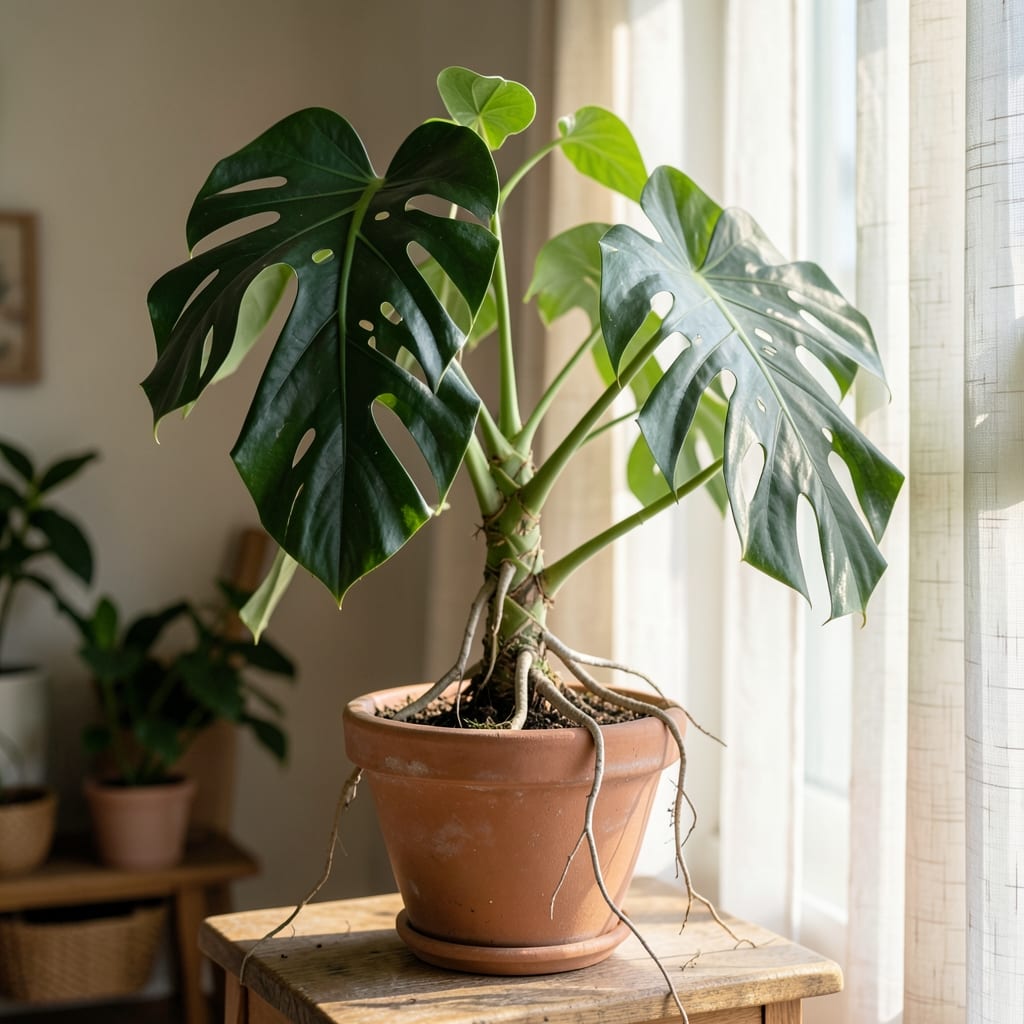
If you’ve ever wondered just how tall your Monstera 🌿 could grow, the answer might surprise you—this tropical beauty can easily reach ceiling heights or even higher with the right care. The classic Monstera deliciosa, when given ideal conditions, can climb to 10-20 feet indoors and even 40 feet outdoors in tropical climates.
But here’s the catch: its growth isn’t just about time—it’s about light, support, and a little strategic pruning. Without proper care, your Monstera might stay compact, but with the right setup, it can become a stunning vertical statement piece in your home. Whether you’re dealing with a small apartment or a spacious greenhouse, understanding these factors is key to unlocking its full potential.
In this guide, I’ll break down everything you need to know—from the fastest-growing varieties to how to train your Monstera to climb like a jungle vine. You’ll also learn how to keep it manageable if it’s outgrowing your space, so you can enjoy its lush beauty without the headache.
Ready to turn your Monstera into a towering centerpiece? Let’s dive into the secrets of maximizing its height—responsibly and beautifully.


Monstera varieties and their maximum heights: from tabletop to treehouse
If you’ve ever admired a Monstera 🌿 stretching toward your ceiling, you’re not alone—this plant’s dramatic growth is one of its most captivating traits. But not all Monsteras reach the same heights. The classic Monstera deliciosa can soar to 10-20 feet indoors, while its compact cousin, the Monstera Adansonii, stays closer to 3-6 feet. The key difference? Genetics, care, and growing conditions. Let’s explore how each variety stacks up in height potential.
For those dreaming of a jungle vibe, the Monstera deliciosa is your go-to. In ideal conditions—think bright, indirect light and a sturdy trellis—it can easily double its height in 2-3 years. Meanwhile, the Monstera Albo Variegata, with its stunning white variegation, grows more slowly but still hits 6-12 feet with patience. Even the trailing Monstera Adansonii, often called the "Swiss cheese vine," can climb to 10 feet if given enough support.
Here’s the catch: these heights are indoor benchmarks. Outdoors in tropical climates, Monsteras can become giants—20-40 feet tall—but that’s a whole different care scenario. For most of us growing them as houseplants, the real question is how to coax your Monstera to reach its full genetic potential without overwhelming your space.
Now, let’s talk specifics. The table below breaks down the maximum heights for popular Monstera varieties, along with the conditions needed to hit those milestones. Whether you’re working with a small apartment or a sunroom, this guide will help you choose—or train—your Monstera for the perfect fit.
As you can see, the Monstera deliciosa and its Borsigiana cousin are the tallest growers, making them perfect for high-ceiling homes or greenhouses. Meanwhile, the Adansonii and variegated varieties are better suited for smaller spaces or as trailing plants. But here’s the secret: even "compact" varieties can stretch taller with the right care—like adding a moss pole or a DIY trellis.
If you’re eyeing a ceiling-high Monstera, focus on the deliciosa or Borsigiana varieties. For a bushier, smaller look, the Adansonii or variegated types are your best bet. The choice depends on your space, light conditions, and how much you’re willing to invest in support systems. Pro tip: Prune regularly to encourage thicker growth if height isn’t your priority.
Ready to unlock your Monstera’s full height potential? The next step is understanding how to optimize its growing conditions. Light, pruning, and pot size play huge roles in whether your plant becomes a wall-climbing giant or a compact tabletop beauty. Let’s dive into those factors next.
What determines how tall your Monstera grows: light, pruning, and pot size
Your Monstera’s height isn’t just about time—it’s a delicate balance of environmental factors and care choices. The most critical factor is light exposure. Monsteras thrive in bright, indirect light, which fuels their rapid vertical growth. Place yours near an east or west-facing window for optimal results. Too little light slows growth, while direct sunlight can scorch those prized fenestrated leaves. I’ve seen Monsteras in dim corners grow just 2-3 feet tall in years, while the same plant in a sunroom can double that height annually.
Next up: pruning techniques. Strategic pruning isn’t just about shaping—it’s a growth hack. When you trim leggy vines just above a leaf node, you encourage bushier, thicker growth rather than one long stem. But if you want a taller Monstera, avoid heavy pruning. Instead, focus on removing only dead or yellowing leaves to redirect energy upward. I prune mine once every 6 months, always using sterilized scissors to prevent disease.
Here’s a surprising factor most people overlook: pot size. Monsteras are root-bound rebels—they grow faster when slightly root-restricted in a small pot. But there’s a limit! A pot that’s too small (less than 12 inches in diameter) stunts growth, while one that’s too large (over 20 inches) leads to excessive soil moisture and root rot. The sweet spot? A 14-16 inch pot with well-draining soil. I repot mine every 2-3 years or when roots circle the drainage hole.
- 💡 Light = Fuel: Bright indirect light = 1-2 ft/year growth. Dim light = stunted growth.
- 🌱 Pruning = Direction: Trim above leaf nodes for bushier growth; avoid heavy pruning for taller vines.
- 🪴 Pot Size = Balance: 14-16 inch pot = optimal growth. Too small = stunted; too large = root rot.
- 💧 Humidity = Growth Boost: 60%+ humidity = 30% faster growth vs. dry air.
- ✂️ Support = Stability: Moss poles/trellises = vertical growth up to 10 ft/year.
Don’t underestimate humidity either. Monsteras are tropical plants, and low humidity (below 50%) can slow growth by up to 30%. I use a pebble tray under mine during winter when indoor air gets dry. For extra growth, consider a humidifier or group your Monstera with other tropical plants to create a microclimate. Even a daily misting can make a difference in leaf size and vine length.
Finally, support structures like moss poles or trellises aren’t just decorative—they’re growth accelerators. Without support, your Monstera will grow horizontally, creating a sprawling mess. But with a moss pole, vines climb vertically at 10+ feet per year. I’ve seen Monsteras hit ceiling heights in just 2 years with proper support. The key is to attach vines gently with soft ties or Velcro strips to avoid damaging the stems.
Ready to put these factors into action? The next step is learning how to train your Monstera to climb like a jungle vine. Whether you’re working with a small apartment or a sunroom, the right support system can turn your plant into a lush, vertical masterpiece—without the chaos. Let’s explore the best staking and trellis techniques next.