
How To
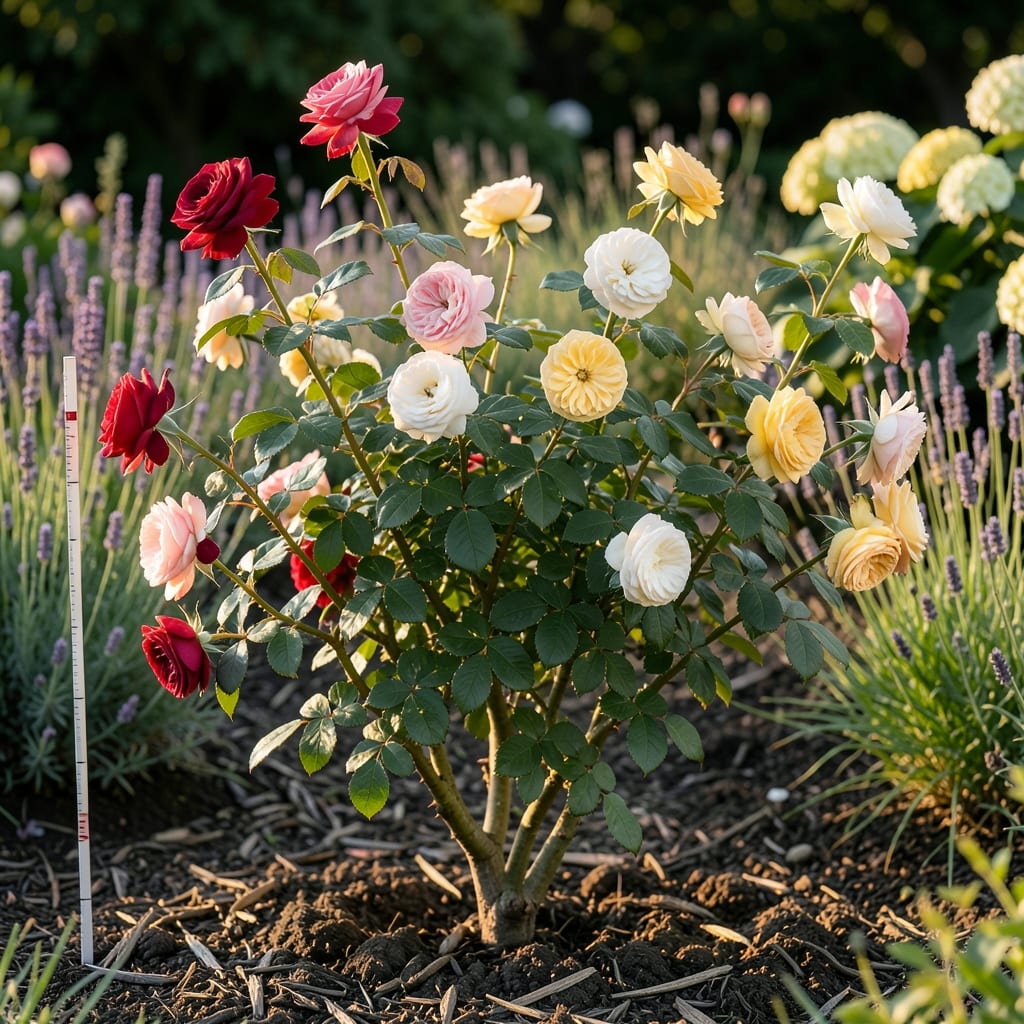
If you’ve ever wondered how tall can a rose bush grow, you’re not alone—but the reality is far more surprising than you might think. The height of your rose bush isn’t just about luck; it’s a mix of genetics, care, and a little strategy. Some varieties stay cozy at just 1-2 feet, while others can soar to 25 feet with the right support. Whether you’re working with limited space or planning a dramatic garden feature, understanding these differences is the key to getting exactly what you want. Picture this: a climbing rose twisting up a trellis, its blooms at eye level, or a compact rose bush neatly framing your patio without crowding your space. The variety you choose sets the foundation, but pruning, sunlight, and even your soil play a huge role in how tall (or short) your rose bush will grow. I’ll break down the science behind it so you can make an informed choice—whether you’re aiming for a towering giant or a manageable shrub. What if I told you that a rose bush’s height can double—or even triple—with the right (or wrong) care? Overwatering, poor pruning, or neglecting sunlight can turn a 3-foot beauty into a 6-foot monster—or stunt a climber’s growth entirely. The good news? With the right techniques, you can train your rose bush to hit your ideal height, whether that’s a neat 3-foot border or a 10-foot vertical masterpiece. Let’s dive into how to control the growth and design your dream garden around it. Ready to transform your garden with roses that fit perfectly? You’ll learn which varieties stay small, which ones need support to reach their full potential, and the exact pruning tricks to keep your rose bush at the height you love. No more guessing—just beautiful, intentional growth that works for your space. Let’s get started!


Rose bush height by variety: from dwarf to climbing giants
If you’re planning your garden layout, the first question should be: how tall can a rose bush grow? The answer depends entirely on the variety you choose. Roses aren’t one-size-fits-all—some stay compact enough for a window box, while others need a 20-foot trellis to reach their full potential. The variety you pick sets the stage for everything else, from pruning needs to garden design. Let’s explore the height ranges of the most popular types so you can pick the perfect fit for your space.
Dwarf roses, like the ‘Fairy’ series or ‘Mini Flirt’, top out at just 1-2 feet, making them ideal for containers, rock gardens, or small borders. These tiny powerhouses pack big blooms into a tiny footprint, perfect for urban gardens or patios where space is limited. If you love roses but have limited room, these are the varieties to reach for—they’ll give you full-size blooms without the maintenance of taller varieties.
Next up are shrub roses, the workhorses of the garden. Varieties like ‘Knock Out’ roses or ‘Dr. Huey’ typically grow 3-5 feet tall, striking a balance between manageable size and dramatic presence. These are the roses you’ll see lining driveways or framing entryways—they’re sturdy, repeat-blooming, and easy to shape with pruning. Shrub roses are the go-to for most gardeners because they offer versatility without requiring constant attention.
For something more dramatic, consider climbing roses. These varieties can reach 10-25 feet tall when given proper support, like a trellis, arbor, or fence. ‘New Dawn’ and ‘Blaze’ are classic choices that climb like vines, covering vertical spaces with lush foliage and abundant blooms. If you’ve ever dreamed of a rose-covered pergola or a wall of flowers, climbing roses are your ticket—but be prepared for the commitment of training and maintenance they require.
Here’s where it gets interesting: standard roses (also called tree roses) are essentially shrub roses grafted onto a tall stem, giving them a 5-8 foot height with a single trunk. Varieties like ‘Apache’ or ‘William Baffin’ create a small tree effect, perfect for focal points in a garden. They’re great for small yards or urban spaces where you want a statement piece without the sprawl of a climbing rose.
Don’t overlook floribunda roses, which typically grow 3-5 feet tall and produce clusters of blooms. These are the roses you’ll find in cut flower arrangements—varieties like ‘Iceberg’ or ‘Julia Child’ are prized for their long stems and continuous blooming. They’re a middle-ground option if you love the look of climbing roses but don’t have the space or support structures.
Now, let’s talk about the wildcards: polyantha roses and grandiflora roses. Polyantha roses, like ‘The Fairy’, stay compact at 2-3 feet but bloom profusely, while grandiflora roses (a hybrid of floribundas and hybrid teas) can grow 4-6 feet tall with large, showy blooms. These are often overlooked but offer unique heights and bloom characteristics that can fill gaps in your garden design.
| Variety | Height Range | Best For | Notes |
|---|---|---|---|
| Dwarf Roses | 1-2 ft | Containers, rock gardens, small borders | Low-maintenance, great for urban spaces |
| Shrub Roses | 3-5 ft | Borders, hedges, driveways | Repeat bloomers, disease-resistant |
| Climbing Roses | 10-25 ft | Trellises, arbors, fences | Needs strong support, dramatic effect |
| Standard Roses | 5-8 ft | Focal points, small yards | Grafted for height, single-trunk look |
How to control rose bush height: pruning and training techniquesOnce you’ve picked your rose variety, the next step is controlling its height—whether you want to keep it compact or encourage vertical growth. Pruning isn’t just about trimming dead wood; it’s the secret weapon for shaping your rose bush’s height and structure. The good news? With the right techniques, you can train a 5-foot shrub rose to stay at 3 feet or guide a climber to reach 15 feet instead of 25. Let’s break down how to do it right. Timing is everything when it comes to pruning for height. For most roses, the best time to prune is late winter or early spring, just before new growth begins. This is when your rose bush is still dormant but about to wake up—perfect for shaping its future height. If you’re dealing with a climbing rose, you’ll also want to prune after the first flush of blooms in summer to encourage more vertical growth. Avoid heavy pruning in fall, as this can stimulate new growth that won’t harden off before winter. Here’s the golden rule: prune at a 45-degree angle just above an outward-facing bud. This angle helps water run off the cut and encourages new growth in the direction you want. For height control, focus on cutting back the longest canes first. If you want a shorter rose bush, trim the top third of the tallest stems. For climbing roses, you’ll want to selectively prune side shoots to encourage upward growth along the main cane.
Training climbing roses is where things get creative. These varieties need physical support to reach their full height potential. Start by tying the main cane to a sturdy trellis or fence using soft ties that won’t damage the bark. As new shoots emerge, weave them gently through the trellis or spiral them upward. For a 10-foot climber, you’ll want to encourage one strong central leader while pruning back side shoots that grow horizontally. Pro tip: Use a flexible trellis for larger varieties—they can get heavy with blooms! One of the biggest mistakes gardeners make is over-pruning. Cutting back too much can stress your rose bush and reduce flowering. For most varieties, aim to remove no more than 20-30% of the plant’s height in a single pruning session. If you’re dealing with an overgrown rose bush, spread the pruning over two seasons to avoid shocking the plant. And remember: climbing roses need minimal pruning to thrive—they rely on their support structure for growth, not aggressive cutting. Finally, don’t forget about seasonal adjustments. In summer, you can do a quick light pruning to shape your rose bush or remove spent blooms (deadheading) to encourage more flowers. For winter-prone areas, wait until late winter to prune—early cuts can leave your rose bush vulnerable to cold damage. With these techniques, you’ll have a rose bush that grows exactly how you want it—whether that’s a neat 3-foot hedge or a 20-foot vertical masterpiece. |