
Trees
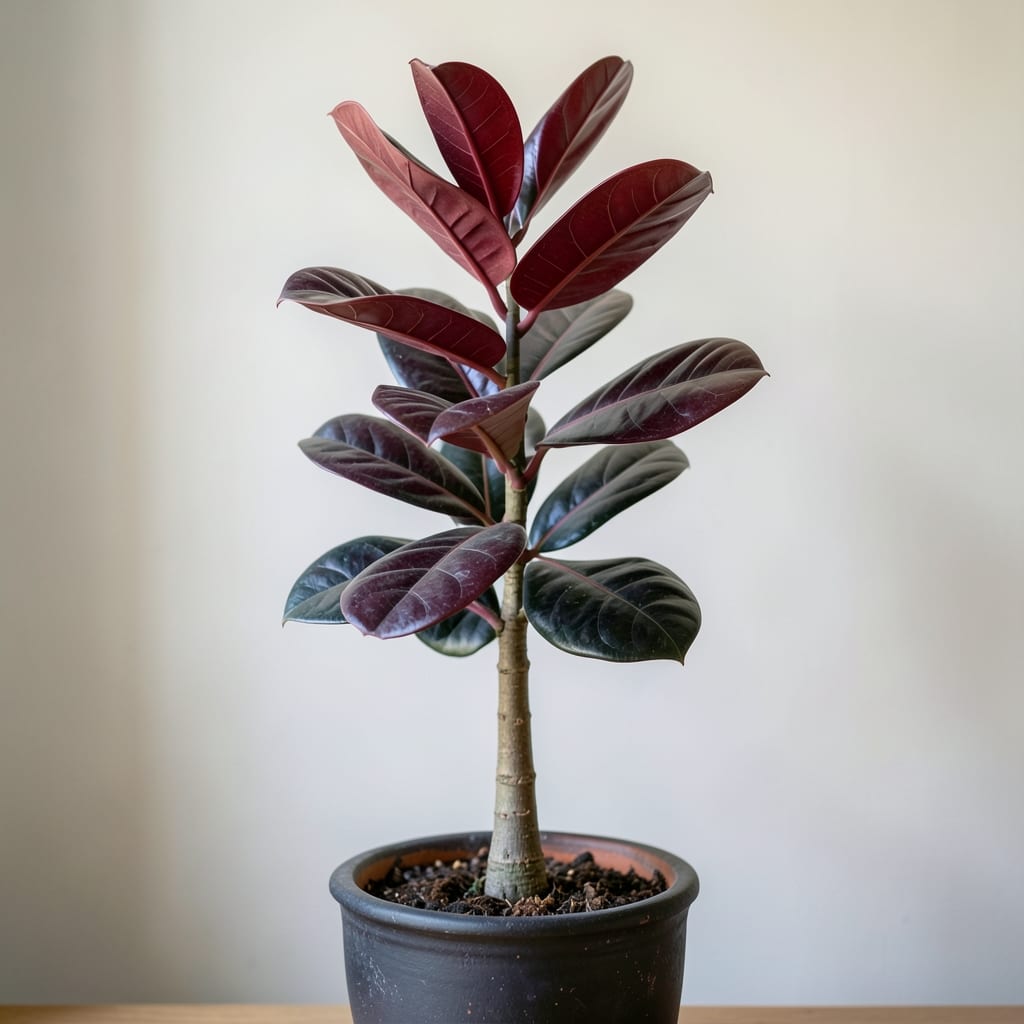
If you’ve ever wondered how tall can a rubber tree grow before it turns your cozy living room into a jungle, you’re not alone. This glossy-leaved beauty 🌿 can reach staggering heights—up to 30 feet outdoors in tropical zones—but indoors, it’s a different story. The good news? With the right care, you can keep your rubber tree at a manageable height while still enjoying its dramatic, architectural appeal.
Understanding your rubber tree’s growth potential is the first step to managing its size. Indoors, these plants typically max out around 6 to 10 feet with proper pruning, making them perfect for small spaces. But without guidance, they can grow tall and leggy, losing that lush, bushy look we all love. The key lies in light, soil, and pruning—three factors that directly impact how much vertical real estate your rubber tree claims.
Whether you’re a beginner or a seasoned plant parent, learning how to control your rubber tree’s height will save you from future headaches. I’ll break down the science behind its growth, share pruning secrets to keep it compact, and debunk myths about whether these trees really need high ceilings to thrive. Let’s get started—your ceiling (and your rubber tree) will thank you.
From repotting tips to seasonal care, you’ll discover exactly how to encourage healthy growth without sacrificing space. And if you’ve ever caught your rubber tree reaching for the sky like a skyscraper, don’t worry—we’ve got solutions to bring it back down to earth. Ready to turn your plant parenting game into a masterpiece?


Natural height limits of rubber trees: indoor vs outdoor growth potential
Rubber trees (Ficus elastica) are famous for their dramatic, upright growth—but their maximum height depends entirely on where you grow them. Indoors, these tropical beauties typically reach 6 to 10 feet with proper care, while outdoors in ideal conditions, they can soar to 20 to 30 feet or more. The difference comes down to genetics, space, and environmental factors, not just time.
Outdoor rubber trees in frost-free zones (USDA 10-12) grow aggressively when given room to spread their roots and access to bright, indirect light. Without pruning, they can become towering specimens, rivaling small trees in tropical forests. Indoors, however, their growth slows due to limited light and container constraints, making height management much easier.
Here’s the key difference: Indoor rubber trees grow vertically but stay compact, while outdoor specimens prioritize height and width. The good news? Even indoors, you can influence their growth with light placement, pruning, and pot size. Let’s break down the numbers and what they mean for your space.
| Growth Factor | Indoor Potential | Outdoor Potential |
|---|---|---|
| Mature Height | 6–10 ft | 10–30+ ft |
| Growth Rate (Year 1) | 3–5 ft | 6–10 ft |
| Light Needs | Bright indirect | Full shade to partial sun |
| Pruning Impact | Critical for height control | Often unnecessary (unless managing space) |
| Root Space | Container-bound | Unrestricted soil |
If you’re growing your rubber tree indoors, the 6–10 foot range is your sweet spot—but only if you prune regularly. Without pruning, indoor rubber trees can still reach 12 feet or taller, especially in homes with high ceilings and abundant light. The secret to keeping them manageable lies in understanding their growth triggers, like light intensity and seasonal changes.
Outdoor rubber trees, on the other hand, are powerhouses of growth. In tropical climates, they can add 2–3 feet per year without intervention. Their leaves grow larger, and their trunks thicken dramatically, making them a stunning focal point in landscapes. However, they’re not frost-hardy—even a light freeze can kill them, so they’re best suited for USDA zones 10–12.
One common misconception is that rubber trees always need high ceilings indoors. The truth? With the right light conditions and pruning, you can keep them at 4–6 feet for years. I’ve seen rubber trees thrive in small apartments with east-facing windows, proving that height isn’t destiny—it’s a choice you make with every trim.
Light is the biggest factor in controlling height. Rubber trees stretch toward light sources, a phenomenon called etiolation. If your plant is growing tall and leggy, it’s likely reaching for more light. Moving it closer to a window or adding a grow light can encourage bushier, more compact growth. The goal is to mimic the dappled shade of their native rainforest habitat.
Soil and pot size also play a role. Rubber trees in too-small pots grow slowly but become root-bound, which stresses the plant. Upgrading to a pot 2–3 inches larger in diameter can spur a growth spurt—but only if paired with proper drainage. A well-draining mix with perlite or orchid bark prevents root rot while encouraging healthy expansion.
For those in frost-free zones, outdoor planting offers the most dramatic growth. Just be prepared for maintenance—these trees can become unruly without pruning. If you’re unsure whether to grow yours indoors or outdoors, consider your climate and space. A 6-foot indoor specimen can be just as stunning as a 20-foot outdoor tree, depending on your goals.
Pruning techniques to control rubber tree height in small spaces
Pruning isn’t just about trimming back overgrowth—it’s the secret weapon for keeping your rubber tree at a manageable height while encouraging lush, bushy growth. When done correctly, pruning can transform a leggy, towering plant into a compact, full specimen that fits perfectly in small spaces. The key is timing, technique, and knowing which cuts to make to stimulate new growth without stressing the plant.
Start by understanding that rubber trees grow best when pruned in early spring or late summer. This timing aligns with their natural growth cycles, giving them time to recover before winter dormancy. Avoid heavy pruning in fall or winter, as the plant needs energy to store nutrients for the next growing season. If you must prune outside these windows, do so lightly to avoid shocking the plant.
- 1 Gather the right tools: Use sterilized pruning shears or a sharp knife to make clean cuts. Disinfect your tools with rubbing alcohol to prevent disease.
- 2 Identify the target branches: Look for overly long stems or branches growing in unwanted directions. Focus on cutting back 1/3 of the plant’s height at a time to avoid over-pruning.
- 3 Make clean cuts: Cut just above a leaf node (the bump where leaves grow) at a 45-degree angle. This encourages new growth from that point.
- 4 Encourage bushiness: If you want a fuller plant, cut back the top third of the stem. This stimulates side shoots to grow, creating a multi-stemmed bush instead of a single trunk.
- 5 Fertilize after pruning: Apply a balanced fertilizer (like 10-10-10) to help the plant recover and promote new growth. Water thoroughly to prevent stress.
One of the most common mistakes is pruning too aggressively, which can leave your rubber tree looking bare and stressed. Instead, aim to remove only what’s necessary to shape the plant. For example, if your rubber tree is reaching for the ceiling, focus on trimming the topmost branches to redirect energy downward. This technique is called pinching, and it’s perfect for maintaining height while encouraging a fuller shape.
If you’re dealing with a tall, leggy rubber tree, consider a more dramatic approach: hard pruning. This involves cutting back the main stem by half its height in early spring. While it may seem drastic, your plant will respond by sending out multiple new shoots from the base, creating a bushy, multi-trunked tree that stays low to the ground. Just be patient—it may take a few months for new growth to appear.
For those with limited ceiling space, pruning isn’t the only solution. Pair it with regular rotation to ensure even light exposure. Turn your pot quarter-turns every few weeks so all sides of the plant receive equal sunlight. This prevents uneven growth and keeps your rubber tree balanced and compact. Combine this with pruning every 6–12 months, and you’ll have a plant that stays at your desired height for years.
Pro tip: Save your pruned cuttings! Rubber tree cuttings root easily in water, giving you a chance to propagate new plants. Place cuttings in a jar of water with just the bottom few inches submerged, and you’ll see roots in 2–4 weeks. This is a great way to share your rubber tree with friends or expand your collection without spending a dime.