
Size
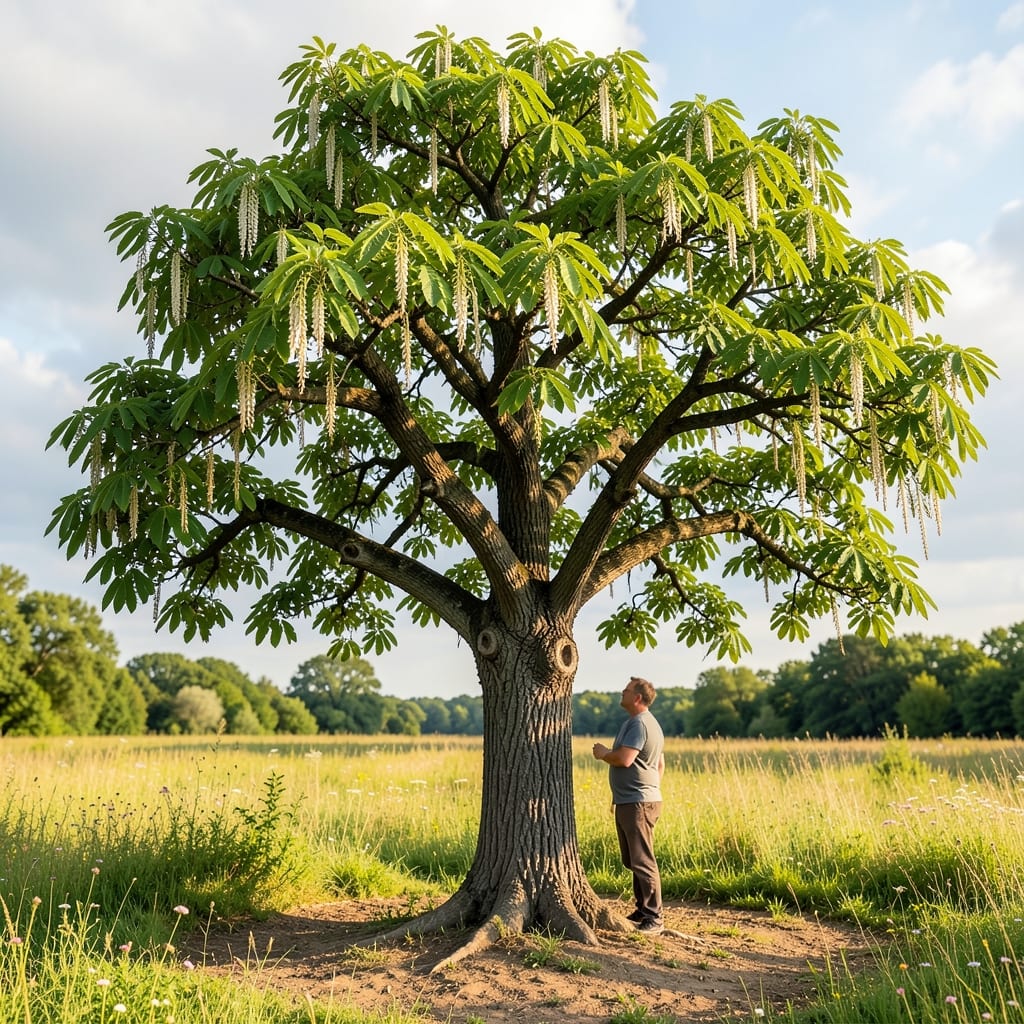
Wondering how tall do black locust trees grow? These fast-growing giants can shoot up to 100 feet—taller than a 10-story building—if given the right conditions. That towering height makes them a stunning choice for privacy screens or wildlife habitats, but it also means they’re not a tree for small yards.
Native to the eastern U.S., black locust trees (🌳 Robinia pseudoacacia) are known for their rapid growth, often adding 3-5 feet per year in ideal conditions. Whether you're in USDA Zone 6a or warmer climates, understanding their growth habits helps you plan spacing and maintenance from day one.
Soil quality, sunlight, and pruning play a huge role in how tall your black locust will become. Rich, well-draining soil and full sun fuel their vertical growth, while strategic pruning can help manage their size if you need a more compact tree. Let’s break down what influences their height—and how to make them work for your space.
If you’re considering planting one, you’ll want to know how to balance their majestic size with your property’s layout. We’ll cover everything from spacing requirements to long-term care, so you can decide if this fast-growing powerhouse is the right fit for your garden.


Black locust tree height: mature size and growth rate breakdown
Black locust trees (🌳 Robinia pseudoacacia) are among the fastest-growing trees in North America, with mature heights ranging from 40 to 80 feet—and some exceptional specimens reaching 100 feet in ideal conditions. Their rapid growth rate of 3-5 feet per year means they can quickly become a dominant feature in your landscape, offering shade and wildlife habitat but requiring careful planning for space.
Understanding their growth patterns helps you decide whether this tree fits your yard. In USDA Zone 6a, where they thrive, black locusts often hit their mature height within 20-30 years, though growth slows as they age. For comparison, a 3-story building is about 40 feet tall—so a fully grown black locust could dwarf it by 50% or more.
Now, let’s break down the key factors influencing their height, from soil quality to sunlight exposure, so you can optimize conditions for the size you want—or manage their growth if needed.
| Growth Stage | Height Range | Annual Growth Rate | Key Influencers |
|---|---|---|---|
| Year 1 | 2–4 ft | 2–3 ft | Soil moisture, sunlight |
| Years 2–5 | 6–18 ft | 3–5 ft | Full sun, well-draining soil |
| Mature (15–30 yrs) | 40–80 ft | 1–3 ft | Climate, pruning, spacing |
| Exceptional Cases | Up to 100 ft | 5+ ft (young) | Optimal conditions, no pruning |
Soil quality is the #1 factor in black locust height. They thrive in well-draining, slightly acidic soil (pH 6.0–7.5), where nutrients fuel their rapid vertical growth. Amend heavy clay with compost to prevent root rot, which can stunt growth. I’ve seen black locusts in nutrient-rich soil hit 60 feet in just 15 years, while those in poor soil may max out at 30 feet.
Sunlight is another critical factor. Black locusts demand full sun (6+ hours daily) to reach their full height potential. In partial shade, their growth slows significantly, often resulting in a 20–30% reduction in mature height. If your yard has afternoon shade, consider planting them on the south or west side of structures to maximize sunlight exposure.
Climate also plays a role. In warmer southern climates (Zones 7–9), black locusts grow faster due to longer growing seasons, while in cooler northern regions (Zones 4–6), growth may be slightly slower but still impressive. For example, in Zone 6a, expect 4–5 feet of growth per year in ideal conditions, while in Zone 8, they can add 6+ feet annually.
Pruning is often overlooked but can dramatically influence height. If you want a taller, unobstructed tree, avoid heavy pruning. However, if you need to control height or shape, prune in late winter or early spring before new growth begins. Removing 1/3 of the canopy can reduce annual height gain by 30–50%, making them more manageable in smaller spaces.
Spacing is another critical consideration. Black locusts need 30–50 feet of clearance from structures, power lines, and other trees to avoid root competition. Planting too close can stunt growth or even damage nearby plants. I once saw a black locust planted 15 feet from a fence—its roots lifted the fence within 5 years! Always check local setback requirements before planting.
Finally, wildlife and pests can indirectly affect height. Black locusts are deer-resistant, but insects like locust borers or diseases like canker can weaken the tree, reducing growth. Monitor for signs of stress, such as yellowing leaves or oozing sap, and treat promptly to keep your tree on track for its full height potential.
Fastest-growing black locust varieties: which ones reach 100 feet?
Not all black locust trees grow to the same height—some varieties push the 100-foot mark while others stay shorter. The native Robinia pseudoacacia is the classic tall grower, but cultivated strains can vary. If you're aiming for maximum height, focus on unpruned specimens in optimal conditions.
For gardeners with limited space, native strains typically top out at 40-60 feet, while cultivated varieties can stretch to 80-100 feet. The difference comes down to genetics and growing conditions—soil richness, sunlight exposure, and water availability all play a role in pushing these trees toward their upper height limits.
Here’s how the fastest-growing varieties compare in terms of height potential and growth speed:
| Variety | Mature Height | Growth Rate | Best For |
|---|---|---|---|
| Native Robinia pseudoacacia | 40-60 ft | 3-5 ft/year | Privacy screens, wildlife habitats |
| Cultivated Strains | 60-100 ft | 4-6 ft/year | Large properties, shade trees |
| Dwarf Varieties (None) | N/A | N/A | Not available |
If you're planting for maximum height, prioritize cultivated strains in well-draining, nutrient-rich soil. These trees thrive in full sun and can reach their peak faster with consistent moisture during their first few years. For wildlife benefits, taller varieties provide better nesting opportunities for birds and squirrels.
However, their rapid growth means you’ll need to plan for spacing and pruning early. Even if you don’t want a 100-foot tree, unchecked growth can quickly outpace your yard’s layout. Always check local regulations on tree height before planting near property lines or power lines.
For those in USDA Zone 6a or warmer, black locusts grow fastest in spring and early summer. If you’re in a cooler climate, expect slightly slower growth but still impressive height gains over time. The key is patience—these trees don’t just grow tall; they grow fast.