
Companion Plants
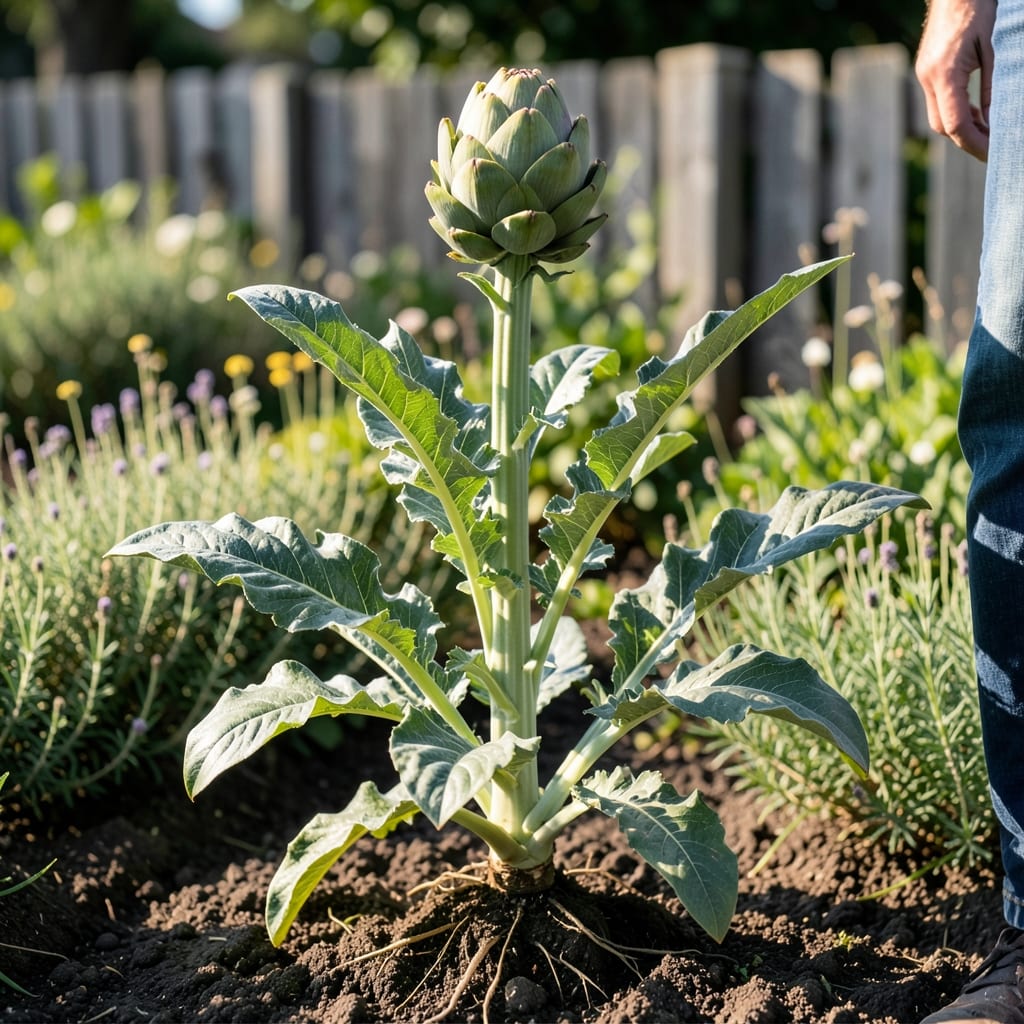
Ever wondered how tall an artichoke plant can grow before you need a ladder to harvest? The answer might surprise you—some varieties stretch up to 12 feet, while others stay compact enough for small gardens. If you're planning your spring planting schedule, knowing these height ranges is the key to choosing the perfect variety for your space.
Artichokes aren't one-size-fits-all when it comes to height. Globe artichokes typically grow between 4 and 6 feet, making them manageable for most home gardens, while their cousins, cardoons, can tower over 8 feet. The right variety and growing conditions can even push these plants to reach their full potential—or keep them shorter if space is limited.
But here's the catch: height isn't just about the variety. Soil quality, sunlight, and even pruning techniques play a huge role in how tall your artichokes grow. Whether you're a beginner or a seasoned gardener, understanding these factors will help you maximize your harvest without sacrificing garden space.
Let's break down exactly what influences artichoke height, how to control it, and which varieties are best for your garden—so you can grow these Mediterranean delights with confidence.


Artichoke plant height by variety: from dwarf to giant
If you're planning your garden layout, knowing how tall artichoke plants grow is essential. The most popular variety, the globe artichoke (Cynara cardunculus var. scolymus), typically reaches 4 to 6 feet at maturity. But don’t let that fool you—some varieties can stretch up to 12 feet if given the right conditions. Choosing the right variety for your space can make all the difference between a manageable harvest and a jungle-like garden.
For small gardens or containers, dwarf varieties like 'Green Globe' or 'Imperial Star' are perfect, staying between 3 and 4 feet tall. These are ideal if you're short on space or prefer a more compact look. Meanwhile, standard varieties like 'Violetto' or 'Romanesco' can reach 5 to 6 feet, offering a balance between height and manageability. If you're aiming for a dramatic vertical display, consider cardoons, which can grow up to 8 to 12 feet tall.
Here’s a quick breakdown of what to expect from common artichoke varieties in terms of height:
| Variety | Mature Height | Growing Habit | Best For |
|---|---|---|---|
| Green Globe | 3-4 ft | Bushy, compact | Small gardens, containers |
| Imperial Star | 4-5 ft | Semi-bushy | Home gardens, trellises |
| Violetto | 5-6 ft | Tall, upright | Large gardens, vertical support |
| Romanesco | 6-8 ft | Very tall, sturdy | Rural gardens, trellises |
| Cardoon (Wild Artichoke) | 8-12 ft | Extremely tall, woody stems | Large spaces, ornamental use |
The height of your artichoke plants isn’t just about the variety, though. Growing conditions play a huge role in how tall they’ll grow. For example, Violetto artichokes, which typically reach 5 to 6 feet, can grow even taller if planted in rich, well-draining soil with plenty of sunlight. On the other hand, cardoons thrive in poor soil and can grow wildly tall if left unchecked, often requiring staking or pruning to manage their height.
If you're growing artichokes in containers, expect them to stay shorter—usually between 3 and 4 feet—because their root growth is restricted. However, even in containers, providing adequate nutrients and sunlight can encourage taller growth. Just be prepared to harvest from a slightly elevated position!
For those with limited space, pruning is your best friend. Regularly trimming the tops of your artichoke plants can encourage bushier growth and prevent them from becoming too tall. This technique is especially useful for varieties like 'Green Globe,' which naturally stay compact but can still benefit from shaping. Just
One variety that often surprises gardeners is the Romanesco artichoke. Known for its striking purple buds, this variety can grow 6 to 8 feet tall, making it a standout in any garden. To keep it manageable, consider planting it near a trellis or sturdy stake. This not only controls its height but also makes harvesting easier and reduces the risk of the plant toppling over in windy conditions.
If you're growing artichokes for their edible buds, height isn’t the only concern—you’ll also want to think about accessibility. Taller varieties may require a ladder or step stool for harvesting, while shorter varieties are easier to reach. For example, 'Imperial Star' is a great choice for gardeners who want a balance between height and ease of access, typically staying around 4 to 5 feet tall.
Lastly, don’t forget that artichoke plants are perennial in warm climates (USDA zones 7-10). This means they can grow taller each year if not pruned back. In colder climates, they’re often grown as annuals, so their height is limited to one growing season. Whether you're in a warm or cold climate, understanding your variety’s growth habits will help you plan for the future of your garden.
How to control artichoke plant height for small gardens
If your garden space is limited but you still want to grow artichokes, don’t worry—there are plenty of ways to manage artichoke plant height without sacrificing your harvest. The key lies in pruning, spacing, and support systems tailored to your variety. For instance, if you’re growing 'Green Globe' in a container, you can keep it under 4 feet with regular pruning, while 'Romanesco' in a small garden might need a trellis to stay under control.
One of the most effective ways to control artichoke height is through pruning. By pinching back the top growth when the plant reaches about 2 feet tall, you encourage it to branch out and stay shorter. This technique works especially well for bushier varieties like 'Imperial Star,' which can grow up to 5 feet but can be kept at 3 feet with consistent pruning.
Here’s a simple step-by-step guide to managing artichoke height in small spaces:
- Step 1: Choose the right variety for your space. Dwarf varieties like 'Green Globe' are ideal for containers or small gardens.
- Step 2: Plant in well-draining soil with full sun exposure to promote healthy growth without excessive height.
- Step 3: Install a trellis or stake early in the growing season to support taller varieties like 'Violetto' or 'Romanesco'.
- Step 4: Prune the plant when it reaches 2 feet tall to encourage bushier growth and prevent it from becoming too tall.
- Step 5: Use mulch around the base to retain moisture and reduce stress, which can help control height.
- Step 6: Harvest buds before they fully open to prevent the plant from putting energy into flowering and growing taller.
For varieties like 'Romanesco,' which can grow 6 to 8 feet, a trellis or sturdy stake is a game-changer. Not only does it keep the plant upright, but it also makes harvesting easier and reduces the risk of the plant toppling over. If you’re growing artichokes in containers, choose a variety that naturally stays shorter, like 'Green Globe,' and ensure the container is at least 18 inches deep to accommodate root growth.
Another tip is to space your plants properly. Artichokes need room to breathe, but overcrowding can lead to taller, weaker plants competing for nutrients. For example, 'Violetto' plants should be spaced 3 to 4 feet apart, while 'Green Globe' can be planted 2 to 3 feet apart. Proper spacing ensures each plant gets enough sunlight and nutrients, which helps control height naturally.
If you’re dealing with a wildly tall variety like cardoons, which can reach 8 to 12 feet, consider growing them in a dedicated corner of your garden or along a fence where they won’t encroach on other plants. Regular pruning and staking will help keep their height in check while still allowing you to enjoy their unique appearance and edible buds.
Remember, the goal isn’t just to control height—it’s to create a healthy, productive artichoke plant that fits your garden perfectly. With the right techniques, you can enjoy a bountiful harvest without sacrificing space or aesthetics.