
Size
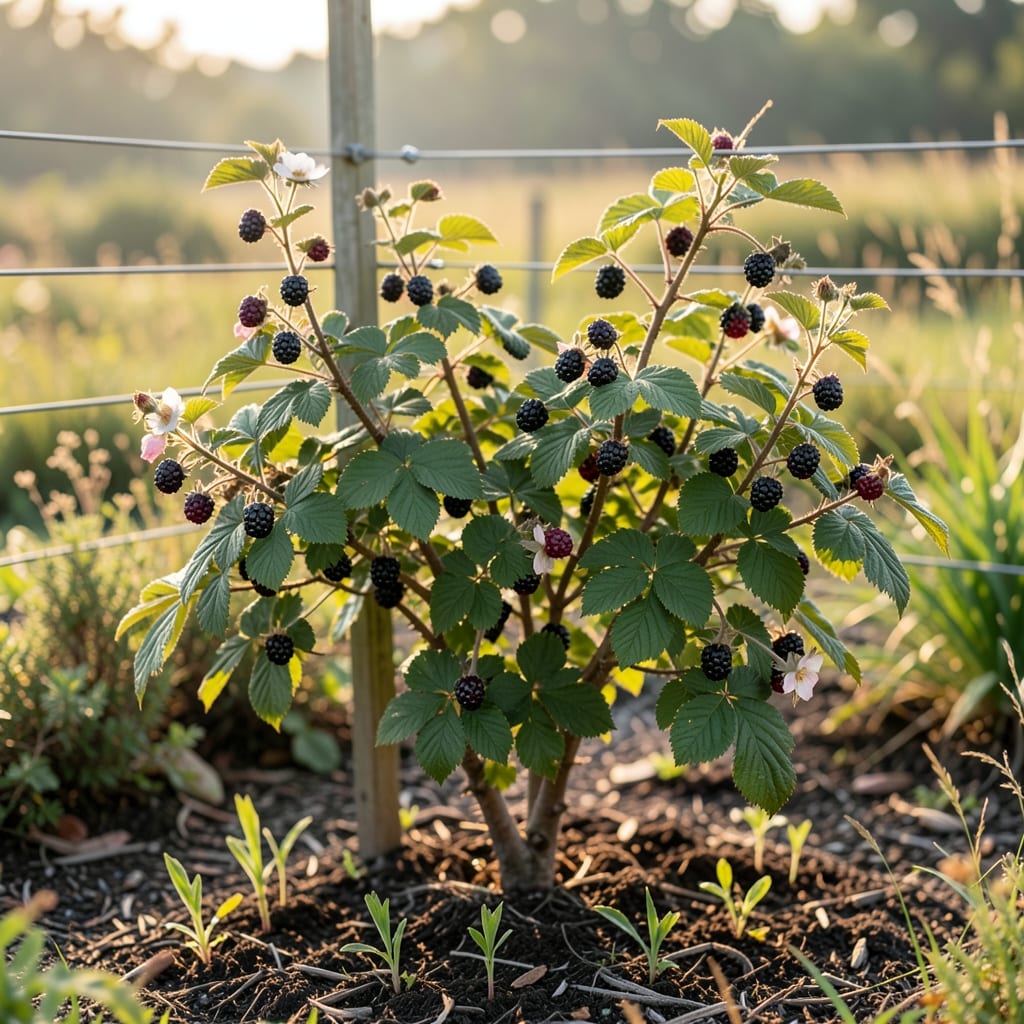
If you're planning to grow blackberry bushes in your garden, knowing how tall can blackberry bushes grow is the first step to smart space planning. These vigorous plants can reach heights of 10 to 15 feet—taller than most gardeners realize—unless you take control with the right pruning techniques.
The variety you choose makes all the difference. Some blackberries stay compact at 3 to 5 feet, perfect for small gardens or containers, while others sprawl dramatically, needing trellises or fences to support their weight. Without guidance, these plants can quickly overtake your yard, blocking sunlight for other crops.
I’ll break down the height ranges for popular types—from dwarf varieties to towering vines—and share proven pruning methods to keep them manageable. Whether you’re working with limited space or just want to maximize your harvest, understanding their growth habits is key to a thriving blackberry patch.
Ready to transform those sprawling vines into a well-managed, productive garden feature? Let’s dive into the specifics so you can enjoy juicy, homegrown blackberries without the chaos.


Blackberry bush height by type: from dwarf to giant varieties
Blackberry bushes can reach heights that surprise even experienced gardeners. Depending on the variety, they can sprawl across your garden like wild vines or stand tall like small trees. Understanding these differences is key to planning your blackberry patch and managing their growth effectively. Some varieties stay compact, while others can grow taller than a basketball hoop!
Most blackberry bushes fall into three main growth categories: trailing, semi-erect, and erect. Trailing types, like 'Cheyenne,' can spread up to 15 feet if left unchecked, while semi-erect varieties like 'Natchez' typically grow 5-8 feet tall. Erect types, such as 'Triple Crown,' are more compact, reaching 4-6 feet in height. These differences are influenced by genetics and how you prune them.
Here’s how each type grows—and how to plan for their mature size:
| Type | Height Range | Growth Habit | Best For |
|---|---|---|---|
| Trailing (e.g., 'Cheyenne', 'Arapaho') | 10–15 ft | Spreads widely, needs trellis | Large gardens, trellises |
| Semi-Erect (e.g., 'Natchez', 'Darrow') | 5–8 ft | Upright but spreads slightly | Medium spaces, containers |
| Erect (e.g., 'Triple Crown', 'Ouachita') | 3–6 ft | Compact, upright growth | Small gardens, urban areas |
If you’re growing floricane varieties (like 'Cheyenne'), they produce berries on second-year canes, which can grow 10-15 feet tall. These varieties need strong support, like a trellis system, to manage their height and weight. On the other hand, primocane varieties (like 'Prime-Ark Freedom') produce fruit on first-year canes and often stay shorter, making them ideal for smaller spaces.
Another factor affecting height is how you prune. Without regular pruning, even dwarf varieties can grow taller and more unruly. For example, 'Darrow,' a semi-erect variety, typically stays around 5-6 feet tall, but if neglected, it can sprawl up to 8 feet. Pruning in late winter or early spring helps control height and encourages healthier, more manageable growth.
For gardeners with limited space, choosing compact varieties like 'Triple Crown' or 'Ouachita' is a game-changer. These erect blackberries grow 3-6 feet tall and thrive in containers or small garden plots. They’re perfect for urban gardening or patios where space is at a premium. Even in these compact varieties, proper pruning keeps them from outgrowing their space.
Blackberry bushes also grow at different rates each year. In their first year, they might only reach 2-4 feet, but by year three, they can double or triple in height. This rapid growth is why planning ahead is crucial. If you’re installing a trellis, make sure it’s tall enough to accommodate their mature height—otherwise, you’ll be scrambling to add extensions later.
One common mistake is assuming all blackberries grow the same. For instance, 'Arapaho' can reach 12 feet if left unchecked, while 'Darrow' stays under 6 feet. Knowing these differences helps you select the right variety for your garden layout. If you’re growing multiple varieties, consider spacing them accordingly to avoid overcrowding and competition for resources.
Finally, don’t forget that blackberry height affects fruit production. Taller varieties often produce more berries but require more maintenance, like trellising and pruning. Shorter varieties may yield less but are easier to manage in tight spaces. Balancing your garden’s layout with the right variety ensures you get the best of both worlds: abundant harvests and manageable growth.
Ready to tame your blackberry bushes? The key is choosing the right variety for your space and pruning regularly to keep them in check. With the right approach, you can enjoy lush, productive bushes without them taking over your garden! 🫐✂️
Space-saving pruning techniques to control blackberry bush height
Pruning is the secret weapon for keeping your blackberry bushes from becoming unruly giants. Without proper pruning, even compact varieties can sprawl beyond control, reaching heights of 10-15 feet or more. The good news? With the right techniques, you can maintain ideal heights—whether you prefer a 3-foot dwarf or a 6-foot semi-erect bush—while maximizing fruit production.
Timing is everything when it comes to pruning. The best time to prune floricane varieties (like 'Cheyenne') is in late winter or early spring, just before new growth begins. For primocane varieties (like 'Prime-Ark Freedom'), you can prune in late summer or early fall to encourage next year’s fruit-bearing canes. This seasonal approach ensures your bushes stay healthy and productive while keeping their height in check.
Here’s a step-by-step guide to the most effective pruning methods for controlling blackberry height:
-
1
Renewal Pruning (Floricane Varieties)
Cut out old, non-fruiting canes (those that produced berries last year) at ground level. Keep only the 4-6 strongest new canes for this year’s fruit. -
2
Tipping (Primocane Varieties)
Shorten first-year canes by 1/3 to 1/2 in early summer to encourage bushier growth and more fruit. This prevents them from growing too tall too quickly. -
3
Floricane Management
For floricane varieties, remove weak or crossing canes to improve airflow and sunlight penetration. This reduces disease risk and keeps the bush compact and manageable. -
4
Thinning New Growth
In early spring, thin out excessive new shoots to focus energy on the healthiest canes. Aim for 6-8 canes per plant to maintain a balanced height.
One of the biggest mistakes gardeners make is over-pruning in a single session. Removing too many canes at once can stress the plant and reduce fruit production. Instead, spread pruning tasks over 2-3 sessions during the dormant season. For example, start by removing dead or diseased canes in early winter, then follow up with renewal pruning in late winter.
If you’re growing trailing varieties like 'Cheyenne,' installing a trellis system is a game-changer. Train the canes vertically to save space and make harvesting easier. Even semi-erect varieties benefit from light trellising to prevent them from flopping over. A simple T-post trellis or wire fence can support canes up to 8-10 feet tall, keeping them off the ground and out of your way.
For compact varieties like 'Triple Crown,' pruning is still essential but less intensive. Focus on removing old canes after harvest and thinning out new growth in early spring. This keeps the bush at a 3-6 foot height while ensuring it remains productive. Regular pruning also makes it easier to harvest berries without bending over or navigating thorns.
Proper pruning isn’t just about height control—it’s also about fruit quality. Well-pruned bushes produce larger, sweeter berries with fewer pests and diseases. By removing crowded canes, you improve airflow, which reduces the risk of fungal infections like botrytis. This means healthier plants and a more abundant harvest year after year.
Ready to transform your blackberry patch? Start with a clear pruning plan tailored to your variety, and don’t forget to sterilize your pruning tools with rubbing alcohol to prevent the spread of disease. With consistent pruning, you’ll enjoy manageable, productive bushes that fit perfectly in your garden—no matter how limited your space! ✂️🫐