
Trees
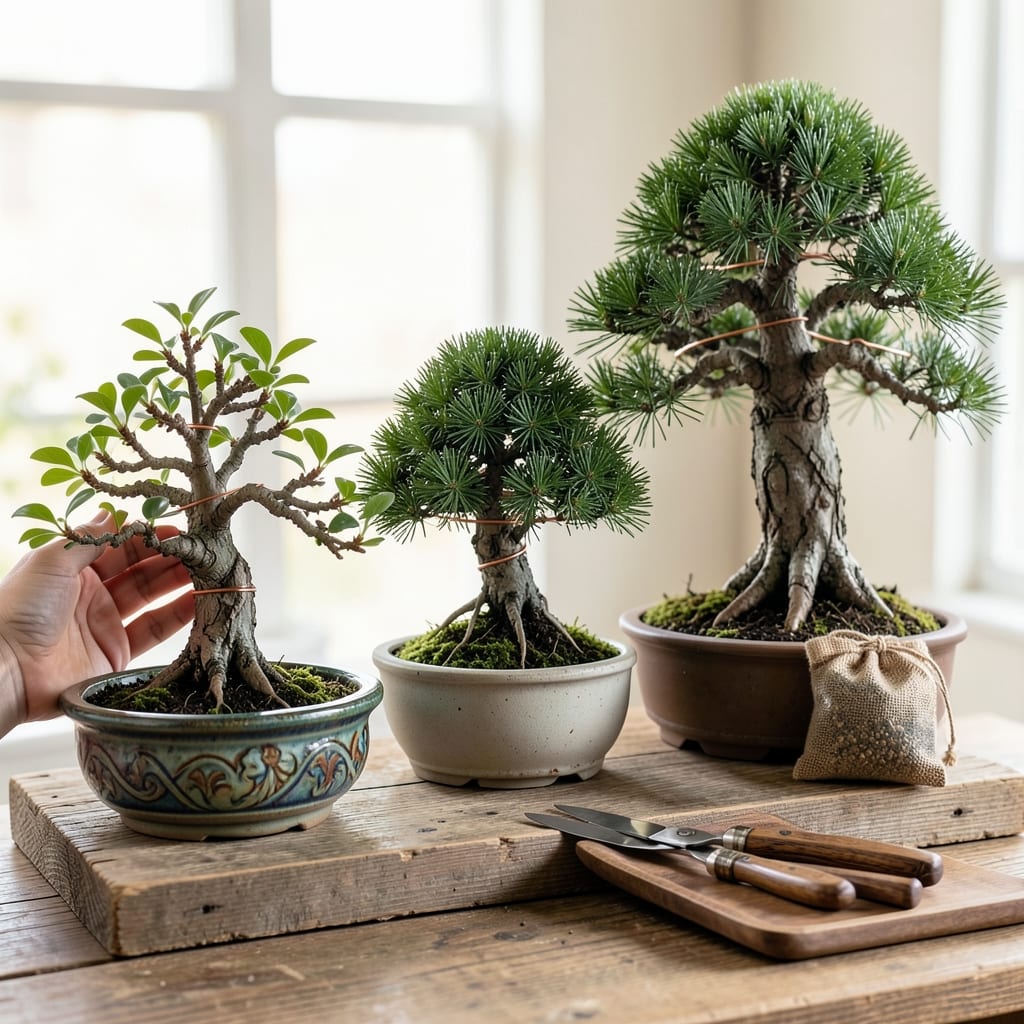
Ever wondered just how tall that delicate bonsai tree 🌳 on your shelf could grow if left to its own devices? The answer might surprise you—while most stay compact enough to perch on a desk, some bonsai can stretch to over 6 feet with the right conditions and care.
What makes the difference between a tiny tabletop masterpiece and a towering bonsai? It all comes down to species, pruning techniques, and the artist’s vision. Whether you’re dreaming of a miniature forest or a grand statement piece, understanding these factors is the key to shaping your bonsai’s height.
In this guide, I’ll break down the science behind bonsai growth, from the smallest micro-miniatures to the largest cultivated specimens. You’ll discover how pruning, wiring, and even repotting can steer your tree toward your desired size—no matter how ambitious your vision.
Ready to unlock the secrets of bonsai height control? Let’s dive into the art of growing a tree that’s as unique as your green thumb.


Natural bonsai tree height limits: from tiny tabletop specimens to towering artworks
Bonsai trees defy nature’s typical growth patterns through careful cultivation, but their ultimate height depends on species selection and cultivation techniques. While most bonsai thrive as miniature masterpieces, some varieties can grow surprisingly tall—even exceeding 6 feet with the right care. The key lies in understanding each species’ natural growth tendencies and how pruning, wiring, and training techniques shape their size.
At the smallest end of the spectrum, micro-miniature bonsai (often called penjing) can stay under 6 inches tall. These delicate specimens require specialized care, including frequent pruning and precise wiring. On the opposite end, giant bonsai like mature black pines or Chinese elms can reach heights of 10 feet or more, though they’re rare and typically decades old.
Most bonsai enthusiasts aim for heights between 1 to 3 feet, which is ideal for display on shelves or tables. This size range is achievable with nearly any bonsai species, provided you follow a consistent pruning schedule and use the right pot sizes. For example, a ficus bonsai left unpruned might grow 3 to 4 feet tall in just a few years, while a juniper bonsai naturally stays more compact.
Age plays a surprising role in bonsai height. Young bonsai trees grow rapidly, often 6 to 12 inches per year if unchecked. However, as they mature, their growth slows dramatically due to the root-pruning and nutrient restrictions of bonsai cultivation. A 10-year-old bonsai might only add 1 to 2 inches in height annually, even with optimal care.
The species you choose is the foundation of your bonsai’s height potential. Fast-growing species like ficus or trident maple can reach 3 to 5 feet without intervention, while slower-growing varieties like pine or azalea rarely exceed 2 feet even with minimal pruning. Always research a species’ natural growth habits before selecting it for your bonsai project.
Pruning isn’t just about trimming branches—it’s the primary tool for controlling height. Structural pruning (removing large branches) and pinching (trimming new growth) can reduce a bonsai’s height by 50% or more over time. For example, a 5-foot ficus bonsai can be pruned back to 2 feet in just a few years with regular maintenance.
Wiring is another advanced technique that shapes a bonsai’s height by guiding its growth direction. By carefully wrapping wires around branches, you can bend them downward or train them upward, effectively "tricking" the tree into growing in a specific pattern. This method is especially useful for creating tall, cascading styles or low, sprawling designs.
Repotting every 2 to 5 years also influences height by restricting root growth. Smaller pots limit a bonsai’s ability to absorb water and nutrients, which naturally slows its growth. Mature bonsai often thrive in shallow, wide pots that encourage lateral root expansion rather than vertical growth, keeping them compact for decades.
Environmental factors like light exposure and temperature further shape a bonsai’s height. Trees grown in full sun tend to grow taller and faster than those in partial shade, while cooler temperatures can stunt growth entirely. For example, a juniper bonsai in a sunny window might grow 1 foot taller in a year compared to one kept in a dim corner.
Here’s a quick reference for typical bonsai height ranges based on species and cultivation goals:
| Bonsai Type | Typical Height Range | Key Growth Factors | Best For |
|---|---|---|---|
| Micro-Miniature | Under 6 inches | Frequent pruning, tiny pots | Desk displays, collectors |
| Tabletop | 12–24 inches | Regular pruning, moderate pots | Home decor, beginners |
| Standard | 2–3 feet | Balanced pruning, medium pots | Living rooms, offices |
| Giant | 4–10+ feet | Minimal pruning, large pots | Art installations, collectors |
Remember, the art of bonsai isn’t just about keeping trees small—it’s about balancing growth with aesthetic goals. Whether you’re growing a tiny bonsai for your desk or a towering masterpiece, the same principles apply: patience, precision, and a deep understanding of your tree’s needs.
Natural bonsai tree height limits: from tiny tabletop specimens to towering artworks
Bonsai trees are often mistaken for naturally stunted plants, but their height potential varies wildly depending on species and cultivation. While most bonsai stay between 6 inches and 3 feet—perfect for desks or shelves—some can grow much taller with intentional care. The key lies in understanding each species' genetic growth patterns and how pruning techniques interact with them.
For example, juniper bonsai typically max out around 2-3 feet when trained properly, while ficus bonsai can reach 4-5 feet if not aggressively pruned. Even maple bonsai, known for their vibrant foliage, rarely exceed 3 feet in traditional styles. These limits aren’t absolute—ambitious growers have pushed boundaries, creating bonsai that defy expectations.
Here’s how different bonsai species naturally compare in height when cultivated as bonsai:
| Species | Natural Mature Height (Outdoors) | Typical Bonsai Height | Growth Rate |
|---|---|---|---|
| Japanese Juniper | 30-50 ft | 1-3 ft | Slow |
| Ficus (Fig) | 30-50 ft | 2-5 ft | Moderate |
| Chinese Elm | 20-30 ft | 1.5-4 ft | Moderate |
| Japanese Maple | 20-30 ft | 1-3 ft | Slow |
| Pine (Black or White) | 50-100 ft | 2-6 ft | Slow to Moderate |
The age of the tree also plays a crucial role in determining height. A 10-year-old bonsai might still be under 2 feet tall, while a 50-year-old specimen could stretch to 5 feet if never aggressively pruned. This is why many bonsai enthusiasts start with young trees—they’re easier to shape and respond better to pruning over time.
Pruning isn’t just about cutting branches—it’s about controlling the tree’s energy. Regular root pruning during repotting slows height growth by limiting nutrient uptake, while crown reduction techniques keep the top from outpacing the roots. Without these interventions, even a bonsai species like juniper could grow into a full-sized shrub in just a few years.
Some growers intentionally let their bonsai grow taller before radically reshaping them, creating dramatic wind-swept or broom-style designs. These trees often start as 6-foot-tall specimens before being pruned back to a more manageable size. The key is patience—rushing the process can shock the tree and stunt its long-term health.
🌿