
Size
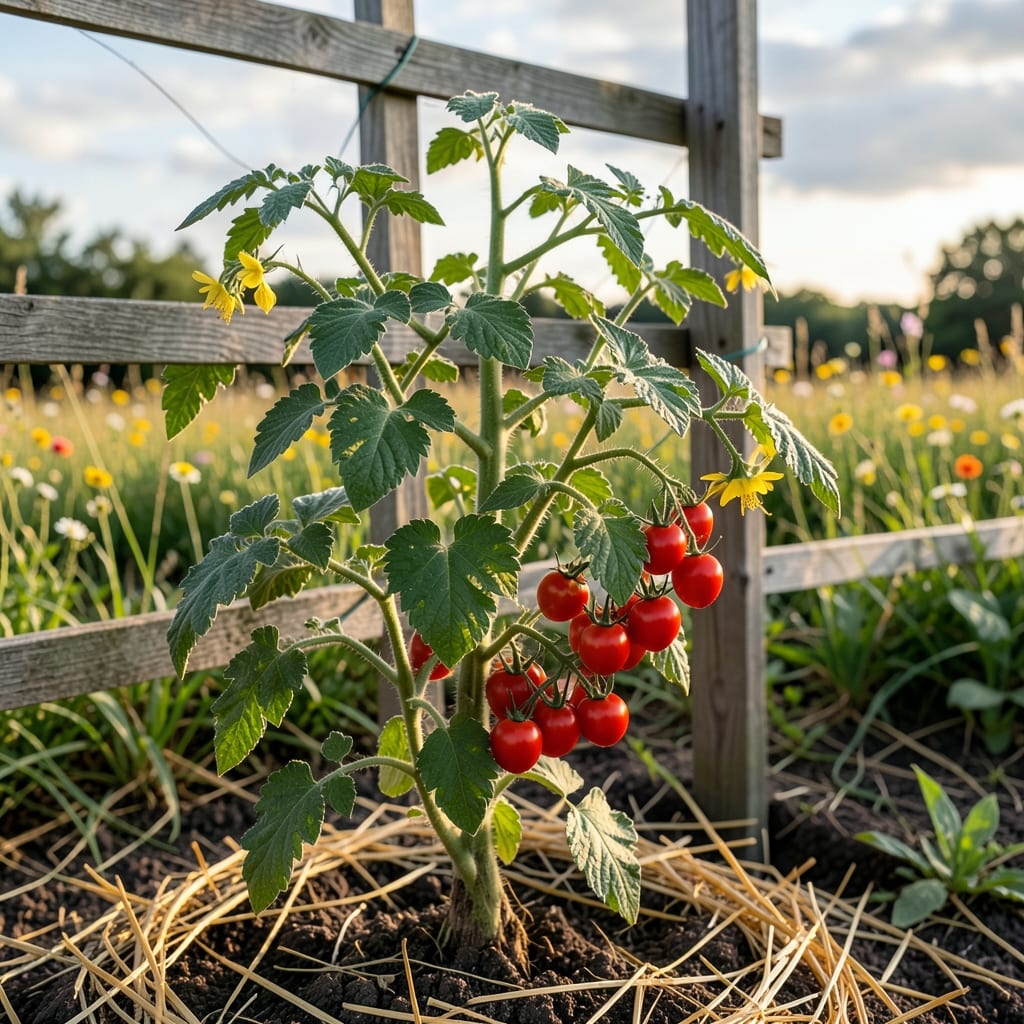
If you’re wondering how tall cherry tomato plants 🍅 can grow, the answer might surprise you—some varieties stay as short as a coffee mug, while others climb like jungle vines! Whether you’re working with limited space or dreaming of a towering tomato trellis, understanding these height differences is the key to planning your garden layout and maximizing your harvest.
Cherry tomatoes come in two main growth types: determinate (bush varieties) that top out around 2-3 feet, perfect for containers, and indeterminate (vining types) that can stretch up to 6 feet or more if left unchecked. The good news? With the right techniques—like pruning, staking, or strategic training—you can control their height and even coax more fruit from your plants.
In this guide, I’ll break down the height ranges for popular varieties, explain how genetics play a role, and share my favorite space-saving hacks to keep your cherry tomatoes productive without taking over your yard. Whether you’re a container gardener or have a full backyard plot, you’ll learn how to work with your plants’ natural growth habits for a bountiful season.
Ready to turn your garden into a cherry tomato powerhouse? Let’s dive into the secrets of managing height—so you can enjoy more tomatoes without the sprawl! From dwarf varieties that fit on a windowsill to towering vines that need a sturdy support system, we’ve got you covered with practical tips for every type of grower.


Cherry tomato plant heights: dwarf vs. vining varieties explained
When planning your garden, knowing how tall cherry tomato plants 🍅 can grow is crucial—especially if you’re balancing space with productivity. The two main categories, determinate and indeterminate varieties, behave like night and day in terms of height and growth habits. Determinate types, like 'Tiny Tim', stay compact at 2-3 feet, while indeterminate varieties, such as 'Sweet Million', can climb to 6 feet or taller if unchecked. This difference isn’t just about aesthetics; it directly impacts how you’ll train, support, and harvest your plants.
Genetics play the starring role in determining height. Determinate plants grow to a fixed size and produce fruit in clusters near the top before stopping. In contrast, indeterminate plants keep growing and producing flowers all season long, which is why they need more support. Even within these categories, varieties vary—some indeterminate types, like 'Super Sweet 100', stay around 4-5 feet, while others stretch toward 8 feet in ideal conditions. Understanding these differences helps you choose the right variety for your space and goals.
If you’re working with containers or small spaces, dwarf varieties are your best bet. They’re perfect for balconies, windowsills, or even hanging baskets. For larger gardens or trellises, indeterminate types offer a continuous harvest but require more maintenance. My personal favorite for small spaces is 'Tumbling Tom', a cascading indeterminate variety that fits beautifully in hanging pots while still reaching 3-4 feet long. For those with vertical space, 'Black Cherry' indeterminates can climb 6 feet or more and produce fruit all season.
Here’s a quick comparison to help you visualize the differences:
| Variety | Type | Mature Height | Growth Habit | Best For |
|---|---|---|---|---|
| Tiny Tim | Determinate | 1-2 ft | Bushy, compact | Containers, small spaces |
| Sweet Million | Indeterminate | 4-6 ft | Vining, continuous growth | Trellises, large gardens |
| Super Sweet 100 | Indeterminate | 4-5 ft | Vining, prolific | Cages, stakes |
| Tumbling Tom | Indeterminate | 3-4 ft (trailing) | Cascading | Hanging baskets |
| Black Cherry | Indeterminate | 6-8 ft | Vining, tall | Strong trellises |
Choosing the right variety isn’t just about height—it’s also about how you plan to harvest and maintain your plants. Determinate types are ideal if you prefer a single harvest window and minimal pruning, while indeterminate varieties reward you with continuous fruit production all season long. For example, 'Sweet Million' can produce 50-100 tomatoes per plant if given proper support, making it a favorite for gardeners who love a steady supply. If you’re new to gardening, start with a determinate variety like 'Tiny Tim' to build confidence before tackling taller, vining types.
Another factor to consider is your climate and growing season length. In cooler regions, indeterminate varieties might not reach their full height potential, while in warmer areas, they can grow even taller. For instance, in Zone 9 or higher, indeterminate cherry tomatoes can stretch toward 8 feet if given ideal conditions. If you’re in a shorter growing season, like Zone 5 or 6, you might opt for semi-determinate varieties that strike a balance, such as 'Sun Gold', which typically grows to 3-4 feet.
Pro tip: Always check the seed packet or plant tag for specific
Space-saving techniques to control cherry tomato plant height
Managing how tall cherry tomato plants 🍅 grow doesn’t mean sacrificing yield—it’s all about using the right techniques to guide their growth. Whether you’re working with 3-foot dwarf varieties or 6-foot vining types, these space-saving methods will help you maximize your harvest without letting your plants take over your garden. The key is understanding when and how to intervene, whether through pruning, staking, or clever container strategies.
For indeterminate varieties that naturally climb, installing a trellis or cage early in the season is a game-changer. I recommend using 5-6 foot tall tomato cages for varieties like 'Sweet Million' or building a DIY wooden trellis for taller types like 'Black Cherry'. The goal is to provide support as the plants grow, which also improves air circulation and reduces disease risk. Even determinate types benefit from light staking—just a small cage or two stakes can prevent sprawling and make harvesting easier.
Pruning is another essential tool in your height-control arsenal. For indeterminate plants, I focus on removing suckers (the small shoots that grow in the leaf axils) to direct energy toward fruit production rather than excessive height. Start pruning when plants are about 12-18 inches tall, and aim to keep the main stem strong while removing competing growth. For determinate varieties, minimal pruning is needed—they naturally produce fruit at the top, so focus on removing any diseased or overcrowded leaves to improve airflow.
Here’s a step-by-step guide to managing height effectively:
- 🌱 Install support early: Set up cages, trellises, or stakes within 1-2 weeks of transplanting to prevent plants from flopping.
- ✂️ Prune suckers regularly: Remove suckers when they’re small (2-3 inches long) to avoid wasting energy on vertical growth.
- 🪴 Use containers for dwarf varieties: Choose pots with 5-gallon capacity for compact types like 'Tiny Tim' to ensure roots have room to grow.
- ☀️ Position for optimal sunlight: Place plants where they’ll get 6-8 hours of direct sun to encourage balanced growth, not excessive height.
- 💧 Water consistently: Keep soil moist but not soggy—overwatering can lead to leggy, weak growth.
If you’re growing in containers, choose varieties that thrive in limited space, like 'Tumbling Tom' or 'Balcony Red'. These trailing types can cascade over the edges of hanging baskets or window boxes, producing fruit while staying contained. For in-ground gardens, consider interplanting with shallow-rooted companions like basil or lettuce to make the most of your space. I’ve found that mulching around the base of plants helps retain moisture and encourages stronger, more compact growth.
One of my favorite space-saving hacks is topping indeterminate plants in late summer. When your 'Sweet Million' or 'Super Sweet 100' starts to outgrow its support, pinch off the top few inches of growth to signal the plant to focus on ripening existing fruit rather than producing new shoots. This technique can reduce height by 1-2 feet while boosting yield in the final weeks of the season. Just be sure to do this after the first frost date in your area to avoid stunting new growth too early.
For urban gardeners or those with limited space, vertical gardening is a fantastic solution. Install a wall-mounted trellis or use a tower garden system to grow indeterminate varieties like 'Black Cherry' in a small footprint. These systems allow you to grow 6-foot plants in just a few square feet of space, making them perfect for balconies or patios. Just ensure your setup can support the weight of mature plants and fruit.