
Size
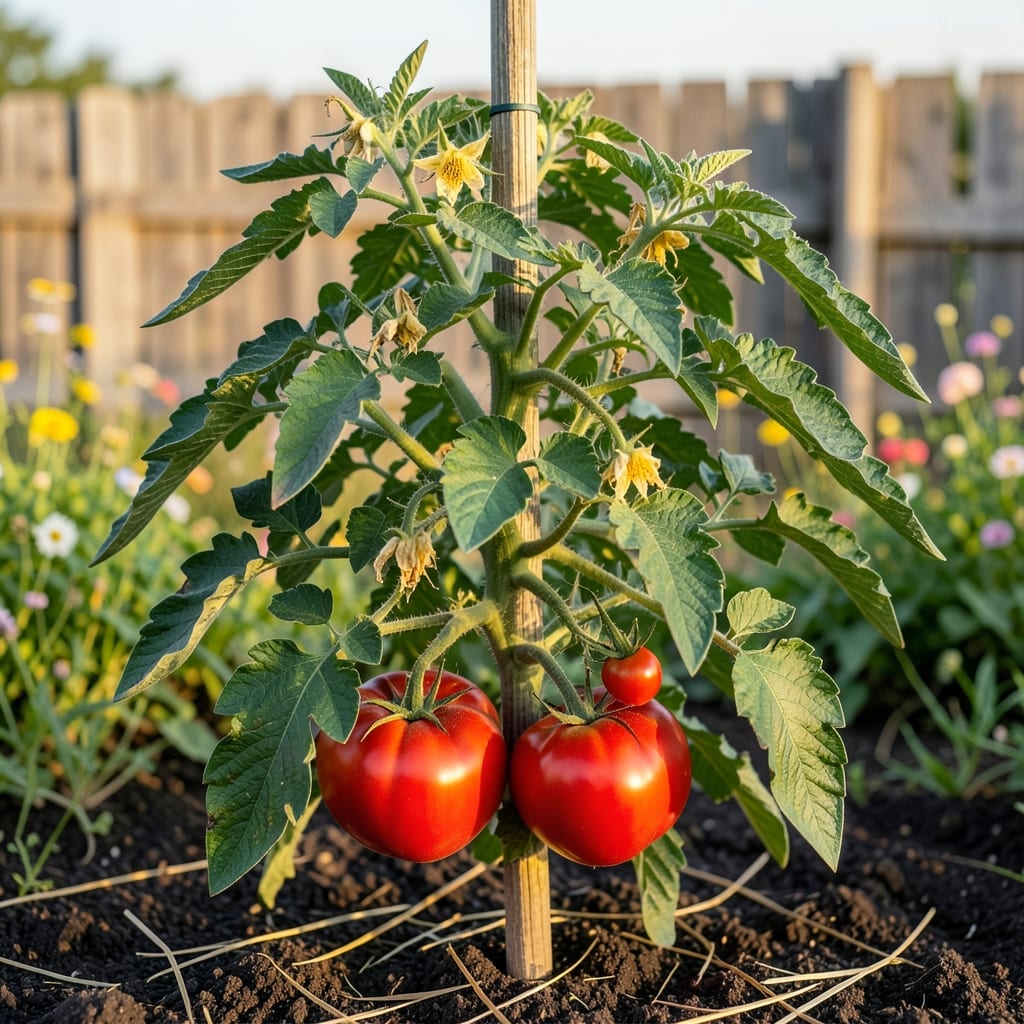
If you're dreaming of juicy, beefsteak tomato plants 🍅 reaching for the sky, you're not alone—these giants can grow 4 to 6 feet tall (or even taller with proper care!). But before you picture them sprawling uncontrollably, let’s talk about how variety, pruning, and support systems determine their final height and how you can manage them like a pro.
The key to growing beefsteak tomatoes successfully lies in understanding whether your variety is indeterminate (vining, continuous growth) or determinate (bushy, set height). Indeterminate types, like the classic Brandywine, can climb like a vine if given the right support, while determinate varieties stay compact. Knowing this difference is the first step to planning your garden layout and ensuring your plants don’t outgrow their space—or your patience!
For those with limited space, pruning and staking aren’t just optional—they’re essential. I’ll show you how to trim your plants for better airflow and fruit production, plus space-saving tricks like trellising and container growing. Whether you’re a backyard gardener or a balcony grower, these tips will help you maximize your harvest without sacrificing your sanity (or your yard’s real estate).
Ready to turn your tomato dreams into reality? Let’s dive into the specifics—from variety heights to pruning techniques—so you can grow beefsteak tomatoes that are both bountiful and manageable. Your future homegrown sandwiches will thank you!


Beefsteak tomato plant heights by variety: how tall they really grow
Beefsteak tomatoes are the heavyweights of the tomato world, capable of reaching 4 to 6 feet tall—or even taller with proper care. But not all beefsteak varieties grow the same way. Some stretch skyward like vines, while others stay compact like bushy shrubs. The difference? Whether they're indeterminate (continuous growers) or determinate (set-height varieties). Let’s break down the most popular beefsteak types and their mature heights so you can plan your garden like a pro.
Indeterminate beefsteaks, like the legendary Brandywine or Cherokee Purple, can grow 6 to 10 feet tall if left unchecked. These varieties produce fruit all season long, but they need strong support—think tall stakes or trellises—to keep them upright. On the other hand, determinate types like Big Beef top out around 4 to 5 feet and produce fruit in one big flush, making them ideal for smaller spaces or container growing.
Here’s the key takeaway: Height isn’t just about space—it’s about growth habits and yield. A 6-foot indeterminate plant might produce more tomatoes over time than a 4-foot determinate one, but it’ll need more attention (and vertical room!). If you’re working with limited space, determinate varieties or dwarf beefsteak types (like Tiny Tim) can be game-changers.
Before we dive into the specifics, here’s a quick space-planning rule: Give indeterminate beefsteaks 18 to 24 inches of space between plants and determinate types 12 to 18 inches. Crowding leads to poor airflow, which invites diseases like blight and fungus. Trust me, your tomatoes will thank you for the breathing room!
Now that you know the height ranges, let’s talk about what this means for your garden. Indeterminate varieties like Brandywine or Pruden’s Purple are like the marathon runners of the tomato world—they keep growing and producing all season, but they need vertical support to avoid flopping over. Without stakes or cages, these plants can sprawl wildly, taking over your garden bed and shading out nearby plants.
On the flip side, determinate types like Big Beef or Mountain Merit are more like sprinters. They grow to a set height, produce a big harvest all at once, and then call it quits for the season. This makes them ideal if you’re short on space or prefer a low-maintenance approach. Plus, their compact size means you can fit more plants in a small area, which is perfect for urban gardeners or balcony growers.
Here’s a pro tip: If you’re growing indeterminate beefsteaks in containers, choose a pot that’s at least 18 inches deep and 12 inches wide. Smaller pots will stunt root growth, leading to smaller plants and fewer tomatoes. And always use a well-draining potting mix to prevent root rot—trust me, soggy roots are the enemy of happy tomatoes!
One more thing to consider: pruning and training can significantly affect height. Even indeterminate varieties can be pruned to stay shorter if you’re working with limited space. I’ll cover pruning techniques in the
Pruning beefsteak tomatoes for height control: when, how, and why
Pruning beefsteak tomatoes isn’t just about keeping them from taking over your garden—it’s about boosting fruit production and preventing disease. When done right, pruning encourages your plants to focus their energy on larger, juicier tomatoes instead of excessive foliage. For indeterminate varieties like Brandywine or Cherokee Purple, pruning is essential to manage their 6–10 foot height and direct growth upward for easier harvesting.
Start pruning when your plants are about 12–18 inches tall. Remove the suckers—those little shoots that grow in the V-shaped junction between the main stem and a branch. These suckers compete for nutrients, so pinching them off early keeps your plant’s energy focused on fruit development. Use your fingers or clean pruning shears to avoid damaging the stem.
Here’s a step-by-step pruning guide tailored for beefsteak tomatoes. Whether you’re a beginner or a seasoned gardener, these techniques will help you control height, improve airflow, and maximize yield. The goal is to create a strong, open structure that supports heavy fruit loads without snapping under the weight.
- Step 1: Identify suckers—look for small shoots in the V-shaped junctions between branches and the main stem.
- Step 2: Pinch off suckers when they’re 1–2 inches long to prevent them from draining energy from fruit production.
- Step 3: Leave 1–2 main stems for indeterminate varieties (e.g., Brandywine) to support the plant’s height and fruit load.
- Step 4: Prune lower leaves up to 12 inches from the ground to improve airflow and reduce disease risk.
- Step 5: Use support stakes or cages to guide growth upward, especially for varieties like Pruden’s Purple that can reach 7–9 feet tall.
Timing is everything when it comes to pruning. For indeterminate beefsteaks, prune every 1–2 weeks during the growing season (spring through early fall). Avoid heavy pruning in late summer, as this can stunt new growth before the first frost. Determinate varieties like Big Beef need minimal pruning—just remove yellow or diseased leaves to keep the plant healthy and focused on its one-time harvest.
One common mistake is over-pruning, which can leave your plant vulnerable to sunburn or pests. Always leave enough foliage to provide shade for developing fruit and protect against sunscald. Another pitfall is pruning too late in the season, which can delay ripening. If you’re growing in a short-season climate, prioritize pruning in early summer to give your tomatoes time to mature before frost.
For container growers, pruning is even more critical. Since pots limit root space, your beefsteak tomato’s energy must go toward fruit production, not excessive foliage. Use compact varieties like Tiny Tim (1–2 feet tall) or prune aggressively to keep indeterminate types under control. With the right pruning strategy, you can grow bountiful beefsteak tomatoes—even in a 5-gallon bucket on your balcony!