
Size
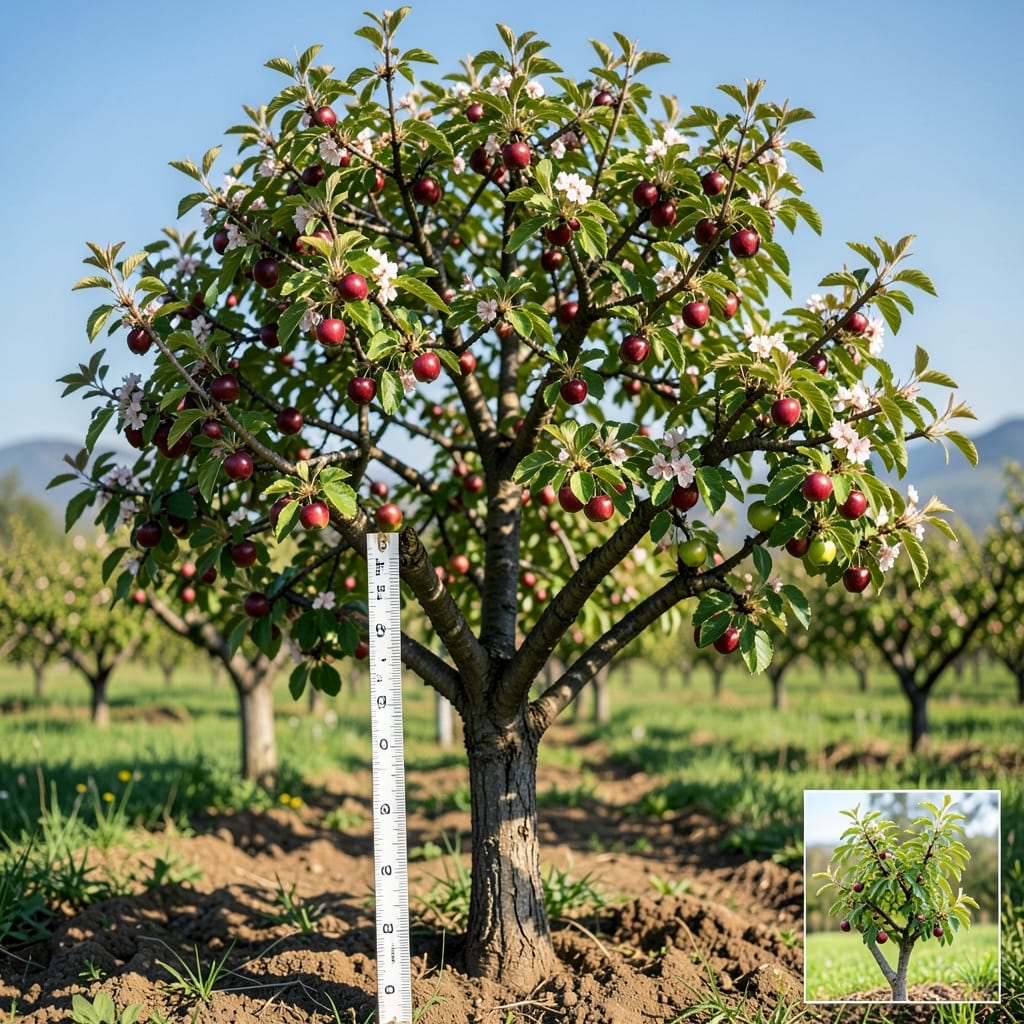
If you’ve ever wondered "how tall can cherry trees grow", the answer might surprise you—these stunning trees can range from compact patio plants to towering giants that dwarf even the tallest two-story homes. Whether you’re dreaming of a 🍒 tree that fits your small urban yard or one that provides decades of shade for a sprawling backyard, the right variety makes all the difference.
The height of a cherry tree isn’t just about aesthetics—it’s about space, sunlight, and even the type of fruit (or flowers) you want. Dwarf varieties stay under 12 feet, perfect for containers or tight spaces, while standard types can soar to 60 feet or more, dominating landscapes like a natural skyscraper. But here’s the catch: soil quality, pruning habits, and even your USDA zone (like 6a) play a huge role in how big—or small—your tree will grow.
In this guide, I’ll break down the exact height ranges for different cherry tree types, from semi-dwarf options that grow 12-20 feet to full-size giants that need 30+ feet of clearance. You’ll also discover how to choose the perfect size for your space, whether you’re planting in early spring or managing an existing tree’s growth. Let’s get started!
Ready to pick the perfect cherry tree for your garden? By the end, you’ll know not just how tall they can grow, but how to control their size—so you get the beauty (and maybe the fruit!) without the headaches. Let’s dive in.


Cherry tree height by variety: from dwarf to giant (with exact measurements)
When planning your garden, knowing how tall cherry trees grow is crucial—because the wrong choice can mean a tree that outgrows your space in just a few years. Cherry trees aren’t one-size-fits-all; their mature heights vary dramatically, from 8 feet for dwarf varieties to 60 feet for full-size giants. The key to picking the right tree lies in understanding these height categories and how they fit into your landscape.
For example, a dwarf cherry tree like the Stella® variety stays under 10 feet, making it ideal for small yards or even large containers. On the other end, a standard sour cherry like Montmorency can reach 20-25 feet, while ornamental varieties such as Prunus serrulata (Japanese cherry) can soar to 40-60 feet. Your choice depends on whether you prioritize fruit production, shade, or aesthetic appeal.
Below, I’ve broken down the exact height ranges for each category, along with growth rates and ideal spacing. This will help you visualize how much space your cherry tree will need to thrive—whether you’re planting in a small urban yard or a sprawling rural landscape.
If you’re planting in USDA Zone 6a (like much of the Midwest), expect faster growth in semi-dwarf and standard varieties, especially if you provide well-draining soil and full sun. For example, a Montmorency cherry tree can grow 3-5 feet per year in ideal conditions, reaching 20 feet in just 5-6 years. Meanwhile, ornamental giants like Prunus serrulata grow even faster—up to 6 feet per year—but require ample space to avoid overcrowding nearby plants.
One common mistake I see is underestimating the canopy spread of cherry trees. Even dwarf varieties can spread 10-15 feet wide, while standard trees may reach 20-30 feet in diameter. Always check the mature spread when selecting a variety, especially if you’re planting near fences, sidewalks, or other trees. A 15-foot spread means you’ll need at least 30 feet of clearance in all directions for a standard cherry tree to avoid root competition or structural damage.
For fruit-bearing varieties, height matters for harvest ease. A 20-foot tree will require a ladder or pruning to pick cherries, while a 12-foot semi-dwarf stays within easy reach. If you’re growing sweet cherries like Bing or Rainier, consider a semi-dwarf rootstock—it balances fruit production with manageable height. For sour cherries like Montmorency, standard heights are more common, but they’re perfect for larger properties.
Ornamental cherry trees, like the Japanese cherry, are all about spectacular spring blooms and dramatic height. These giants can create a focal point in your landscape, but they need open space to avoid shading out other plants. If you love the look of cherry blossoms but have limited space, look for columnar varieties, which grow tall and narrow (up to 20 feet tall but only 6 feet wide).
Pro tip: If you’re unsure about long-term growth, start with a
How to choose the right cherry tree height for your space
Selecting the perfect cherry tree height starts with measuring your space—literally. A 60-foot giant like the Black Tartarian cherry needs a 30-foot clearance from buildings, power lines, and sidewalks, while a dwarf ‘Stella’ cherry fits snugly in a 15-gallon pot on your patio. Before you buy, grab a tape measure and sketch your yard’s layout, marking where sunlight hits and where shade falls.
Your yard’s dimensions matter just as much as the tree’s mature height. For example, a 12-foot semi-dwarf like the ‘Royal Rainier’ cherry thrives in suburban backyards with 10-foot ceilings, but the same variety would feel cramped under a 20-foot ceiling in a rural setting. Pro tip: Add 3-5 feet to the tree’s height for branches and fruit-laden limbs that extend beyond the trunk.
🌱 Visualize it first: Use a to-scale drawing or a free app like SmartDraw to map your tree’s mature spread (often 1.5x its height) and ensure it won’t block driveways or windows. For urban gardens, dwarf varieties under 12 feet are your best bet—they avoid power line conflicts and fit between townhouses or in courtyard planters.
Sunlight and soil type also dictate how tall your cherry tree will grow. Trees in full sun (6+ hours daily) can reach their maximum height faster, while those in partial shade may stay 20–30% shorter. For example, a ‘Lapins’ cherry (a popular ornamental) grows 15–20 feet in sun but only 10–12 feet with 4 hours of light. Test your soil’s drainage—cherry trees hate soggy roots, which stunt growth.
Pruning is your secret weapon for controlling height. If you plant a standard cherry but want to keep it under 20 feet, prune the leader (central stem) annually to redirect energy to side branches. For dwarf varieties, light pruning in late winter encourages bushier growth, while heavy pruning can stress small trees. Always use sterilized pruners to prevent bacterial infections like silver leaf disease, which weakens trees and limits their potential height.
Finally, consider your long-term goals. If you’re planting for fruit production, standard varieties yield more cherries but require ladder access or a cherry picker to harvest. Dwarf trees produce smaller crops but are perfect for picking at eye level. For ornamental value, like double-blooming ‘Kanzan’ cherries, height adds drama—just ensure you’re okay with cleanup (dropped petals and fruit).
🌳 Pro move: Visit a local nursery and ask to see mature cherry trees in person. Compare their canopy width to your space—many trees spread as wide as they are tall, so a 15-foot tree might need 20 feet of horizontal room. With the right variety and care, your cherry tree will thrive at the perfect height for your dream garden.