
Size
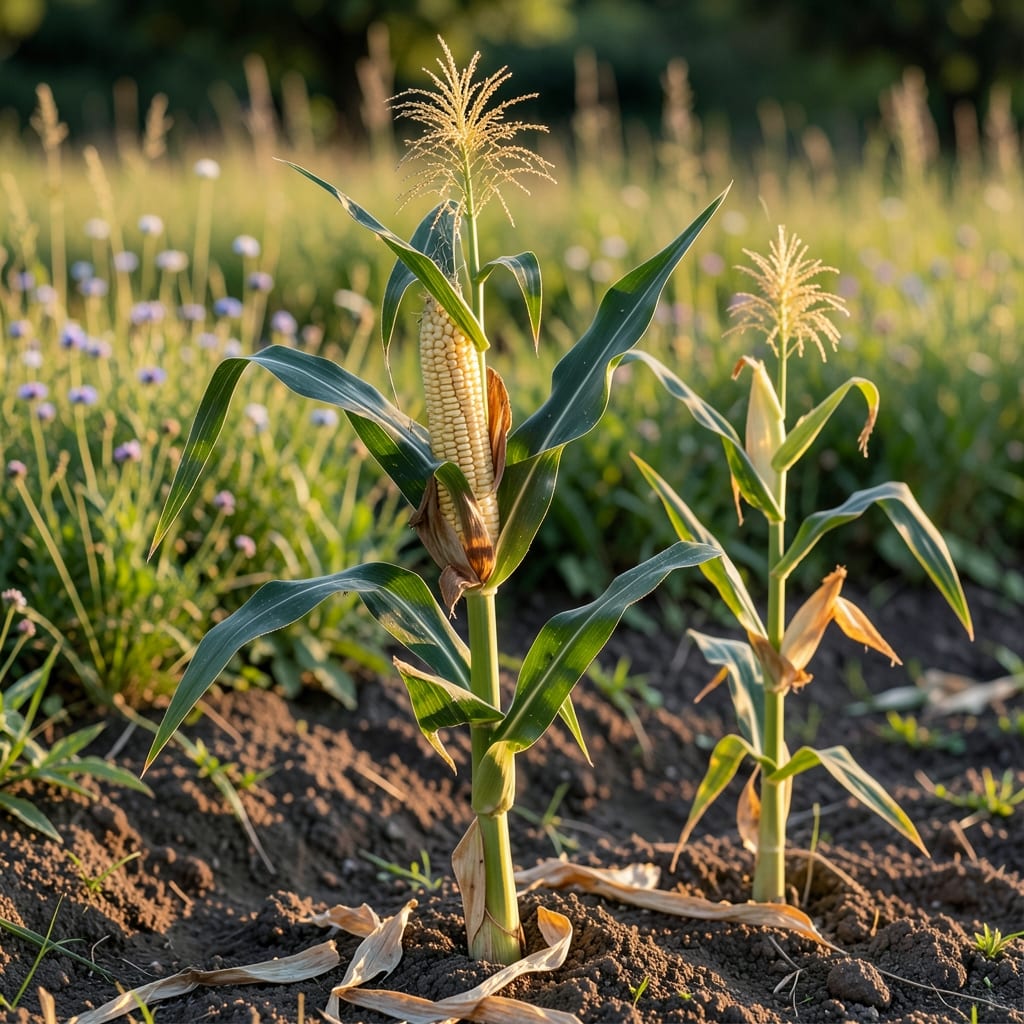
If you’ve ever wondered just how tall your 🌽 corn plants can grow, the answer might surprise you—some varieties stretch toward the sky like natural skyscrapers, while others stay compact enough for small gardens or containers. The height of your corn isn’t just about aesthetics; it directly affects yield, sunlight access, and even how well your plants resist pests. Whether you’re dreaming of a towering cornfield or working with limited space, understanding the factors behind corn height will help you pick the perfect variety for your garden.
Most home gardeners in USDA Zone 6a grow corn between 6 and 12 feet, but the range is far wider than you might think. Dwarf varieties can stay as short as 3 to 5 feet, making them ideal for urban gardens or containers, while some ornamental or field corn can reach an impressive 14 feet or more. The key to unlocking your corn’s full potential lies in genetics, soil quality, and growing conditions—all of which we’ll break down so you can optimize your harvest.
Planting corn in April or May gives it enough time to mature before the first frost in late October, but height isn’t just about timing. Sunlight, water, and even the type of fertilizer you use play a huge role in whether your plants will lean toward the sky or stay closer to the ground. With the right approach, you can encourage taller, healthier stalks—or keep them manageable for smaller spaces. Let’s dive into what determines your corn’s height and how to grow it to its full potential.
Ready to transform your garden into a corn-filled oasis? Whether you’re aiming for sweet corn for dinner or just love the look of towering stalks, the secrets to growing corn at the perfect height are simpler than you’d expect. From spacing tips to soil tricks, we’ll cover everything you need to know to get the most out of your corn plants—no matter how tall (or short) you want them to be.


Corn height variations: from dwarf varieties to towering giants (with exact measurements)
Corn plants can vary dramatically in height, from compact dwarf varieties perfect for containers to giant varieties that tower over your fence line. The height of your corn isn't just about aesthetics—it directly affects yield, maturity time, and even pollination success. For example, a 14-foot cornstalk might produce more ears than a 5-foot variety, but it also requires more space and nutrients. Let's break down the height spectrum and what it means for your garden.
Most home gardeners grow standard sweet corn varieties like 'Silver Queen' or 'Peaches and Cream,' which typically reach 6 to 9 feet tall. These are the Goldilocks of corn—tall enough for good yields but manageable in most backyard spaces. However, if you're short on space or dealing with windy conditions, dwarf varieties (3-5 feet) can be a game-changer. On the other end of the spectrum, ornamental corn like 'Glass Gem' can stretch up to 12 feet or more, making a stunning vertical statement in your garden.
Here’s how corn height breaks down by category, along with popular varieties and their growth habits:
| Height Range | Variety Examples | Best For | Days to Maturity |
|---|---|---|---|
| 3–5 ft (Dwarf) | 'Tom Thumb,' 'Little and Lovely' | Containers, small gardens, windy areas | 60–75 days |
| 5–7 ft (Semi-Dwarf) | 'Golden Bantam,' 'Country Gentleman' | Small plots, heirloom gardens | 75–85 days |
| 8–12 ft (Standard) | 'Silver Queen,' 'Peaches and Cream' | Backyard gardens, high yields | 85–100 days |
| 10–14+ ft (Giant) | 'Glass Gem,' 'Country Gentleman' (ornamental) | Large gardens, decorative use | 100–120 days |
Taller corn varieties like 'Glass Gem' take longer to mature because they invest more energy in vertical growth rather than ear production. This means you’ll wait 100+ days for harvest compared to 60 days for dwarf varieties. If you're growing corn for ornamental purposes, height isn’t as critical as color and structure, but if you're after edible ears, balance height with your garden’s space and your patience for harvest.
One common misconception is that taller corn always means better yields. In reality, height correlates with maturity time, not necessarily productivity. A 6-foot 'Silver Queen' might produce just as many ears as a 12-foot 'Glass Gem' if given the same care, but the taller variety will take longer to reach that point. For small gardens or urban growers, dwarf or semi-dwarf varieties are ideal because they mature faster and require less space.
Height also plays a role in pollination success. Taller corn plants have tassels that release pollen higher above the ground, which can be advantageous in windy conditions. However, if your garden is isolated or prone to wind, shorter varieties may ensure better cross-pollination between plants. For example, 'Tom Thumb' (3–5 ft) is often recommended for container growing because its compact size keeps tassels close to the ears, improving fertilization rates.
Before selecting a variety, consider your garden layout and sunlight exposure. Taller corn needs more space between rows (at least 3 feet) to avoid shading smaller plants and to support sturdy stalks. In contrast, dwarf varieties can be planted 12–18 inches apart in tight spaces. If you're growing corn in containers or raised beds, stick to dwarf or semi-dwarf varieties to prevent root-bound stress and ensure stable growth.
Pro tip: If you love the look of tall corn but lack space, try trellising or staking your plants. While corn isn’t a natural climber, providing support can encourage upward growth and prevent stalks from flopping over in wind or rain. Use bamboo stakes or sturdy cages to guide the plants vertically without restricting their natural growth habit.
🌽
What determines corn plant height: genetics, soil, and climate factors
The height of your corn plants isn’t just luck—it’s a mix of genetics, soil quality, and environmental conditions. While some varieties are naturally tall, others stay short due to their genetic makeup. For example, hybrid varieties like 'Silver Queen' are bred for consistent 8–12 ft heights, while heirlooms like 'Golden Bantam' (5–7 ft) prioritize flavor over stature. Understanding these factors lets you optimize growth for your garden’s conditions and goals.
At the core, genetics determine the maximum height potential of any corn variety. Hybrid corn, created by crossing inbred lines, often grows taller because breeders select for vigorous growth traits. Open-pollinated varieties, like many heirlooms, may stay shorter but offer unique flavors. If you’re growing ornamental corn, like 'Glass Gem,' expect heights of 10–14 feet—but this comes with a longer maturity time (100+ days). For small gardens, dwarf varieties like 'Tom Thumb' (3–5 ft) mature in just 60–75 days, making them ideal for quick harvests.
Factors That Influence Corn Height
Hybrids grow taller; heirlooms may stay shorter but offer unique traits.
High nitrogen = taller growth; balanced NPK = better ear production.
6–8+ hours of full sun maximizes height and ear development.
Common Mistakes to Avoid
Leads to lush foliage but fewer ears and weak stalks.
Root stress stunts growth and weakens stalks.
Drought stress causes uneven growth and reduced height.
Soil quality is the second biggest factor after genetics. Corn thrives in well-draining, fertile soil with a pH of 6.0–7.0. If your soil lacks nutrients, your plants may grow tall but produce fewer or smaller ears. Nitrogen fuels leafy growth, but too much can lead to weak stalks that struggle to support height. For optimal height and yield, use a balanced fertilizer (10-10-10 NPK) and amend your soil with compost before planting. If your soil is sandy or clay-heavy, consider planting in raised beds to improve drainage and root development.
Climate plays a critical role in how tall your corn grows. Corn loves warm temperatures (70–85°F) and full sun (6–8+ hours daily). If you’re in a cooler climate (USDA Zone 5 or below), opt for shorter varieties like 'Golden Bantam' to ensure they mature before frost. In hot, dry regions, taller varieties may struggle unless you provide consistent watering and mulch to retain moisture. Wind can also affect height—taller corn (10+ ft) may lean or break in strong winds, while dwarf varieties stay stable in urban or breezy gardens.
Troubleshooting stunted growth starts with checking your soil and watering habits. If your corn is shorter than expected, it could be due to:
- Nutrient deficiencies (yellow leaves = nitrogen; purple stems = phosphorus).
- Poor drainage (roots suffocate in waterlogged soil).
- Insufficient sunlight (shady spots limit growth).
- Pest damage (corn earworms or aphids weaken plants).
To encourage taller growth, mulch around the base to retain moisture and nutrients, and stake tall varieties if needed. Avoid overcrowding—space plants 8–12 inches apart in rows 3 feet apart to allow airflow and sunlight penetration.
For maximum height, focus on these three key strategies:
- Choose the right variety for your space and climate.
- Amend soil with compost and balanced fertilizer.
- Provide full sun and consistent water (1–2 inches per week).
With the right approach, you can grow corn that reaches its full genetic potential—whether that’s a compact 4-foot dwarf or a 14-foot giant—and enjoy a bountiful harvest. 🌱