
Size
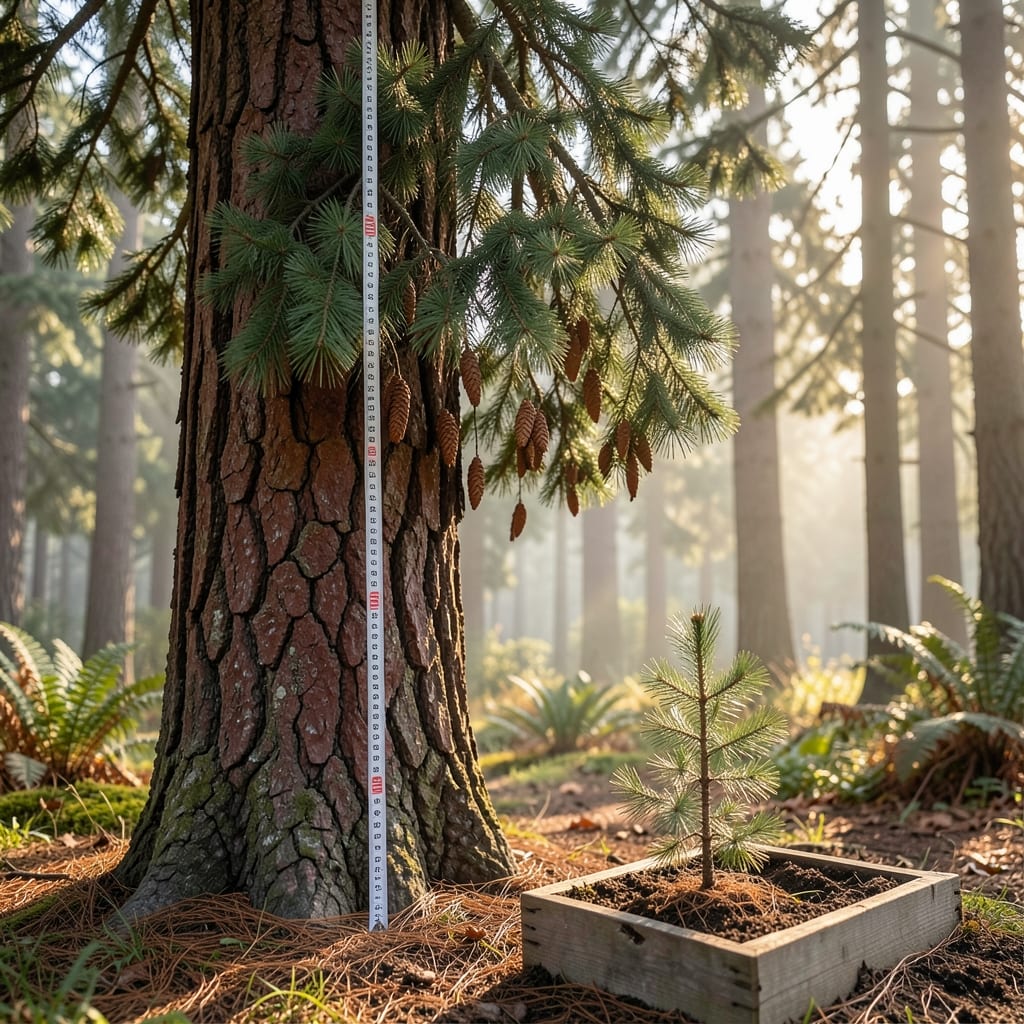
If you're wondering how tall can Douglas Fir grow, the answer might surprise you—these towering evergreens 🌲 can stretch up to 300 feet in ideal conditions, making them one of the tallest trees in North America. Whether you're planning a backyard landscape or a grand forest estate, understanding their growth potential is key to making the right choice for your space.
Not all Douglas firs reach skyscraper heights, though. Some varieties stay compact, perfect for smaller gardens, while others grow aggressively if given the right conditions. The difference often comes down to soil quality, sunlight, and climate—especially in USDA Zone 6a, where spring planting sets the stage for years of growth.
Curious about how fast they grow or how to manage their size? I’ll break down everything from annual growth rates to pruning tips so you can decide if a Douglas fir is the right fit for your outdoor vision. Let’s dive into the details!
From coastal giants to dwarf cultivars, these trees offer versatility for any landscape—just be prepared for their impressive stature. Ready to learn how to harness their potential? Let’s get started.


Douglas fir mature heights by variety: from coastal giants to compact cultivars
When you imagine a Douglas fir, towering 300-foot giants in the Pacific Northwest might come to mind—but not all varieties reach that height. The coastal Douglas fir (Pseudotsuga menziesii var. menziesii) holds the record, while mountain varieties stay shorter. Your choice of cultivar can mean the difference between a skyscraper tree and a manageable garden specimen.
For standard Douglas firs, expect 150–300 feet at maturity, but dwarf varieties like 'Glauca Compacta' top out at just 10–20 feet. Even semi-dwarf options like 'Glauca Pendula' reach 30–50 feet, making them ideal for suburban yards. The right variety can transform your landscape without overwhelming it.
🌲
| Variety | Mature Height | Growth Rate | Best For |
|---|---|---|---|
| Coastal Douglas Fir (P. menziesii var. menziesii) | 150–300 ft | 1–3 ft/year (fast in youth) | Large estates, forests |
| Mountain Douglas Fir (P. menziesii var. glauca) | 60–100 ft | 1–2 ft/year (slower) | Rural properties, woodlots |
| 'Glauca Compacta' | 10–20 ft | 6–12 inches/year | Small gardens, containers |
| 'Glauca Pendula' | 30–50 ft | 1–2 ft/year | Suburban yards, privacy screens |
| 'Viridis' | 40–60 ft | 1–2 ft/year | Colorful landscapes, hedges |
The coastal Douglas fir thrives in USDA Zone 6a and beyond, where it can grow 3 feet per year in ideal conditions. These trees love well-drained, acidic soil and full sun, which accelerates their growth. In contrast, mountain varieties grow slower but are hardier in cooler climates.
For smaller spaces, 'Glauca Compacta' is a game-changer—its blue-green needles and slow growth make it perfect for containers or urban gardens. Even in Zone 6a, this variety stays under 20 feet, ideal for patios or foundation plantings.
If you're planting for privacy or windbreaks, 'Glauca Pendula' offers a balanced height of 30–50 feet with a weeping habit. Its blue foliage adds visual interest while keeping a more manageable footprint than standard firs.
🌿
Regional climate plays a huge role in height. Coastal firs grow fastest near the Pacific Northwest, while inland varieties may stay shorter due to drier conditions. Even within the same species, soil quality and water availability can push a tree toward its upper or lower height limits.
Before planting, check your local frost dates—Douglas firs planted in spring (April–May) or fall (September–October) establish roots faster, setting the stage for years of steady growth. In Zone 6a, aim for well-drained soil to avoid root rot, which can stunt height.
🪴
Pro tip: If you love the look of Douglas firs but lack space, consider layering varieties. Plant a taller specimen like 'Glauca Pendula' as a backdrop and a dwarf cultivar in front for texture. This creates depth without sacrificing the evergreen beauty you crave.
Ready to pick the perfect Douglas fir for your space? The key is matching the variety to your yard’s size—whether you dream of a forest giant or a compact centerpiece.
How fast do Douglas firs grow? Annual growth rates and early-year development
Douglas firs don't reach their 300-foot potential overnight—these trees grow fastest during their first 20 years, with coastal varieties shooting up 1–3 feet per year in ideal conditions. In their first year, expect 2–4 feet of growth, while year two often doubles that, reaching 6–10 feet. This rapid early growth makes them a favorite for quick privacy screens or dramatic landscape statements.
🌱
- 1 Year 1: 2–4 ft (fastest growth phase)
- 2 Year 2–3: 6–10 ft (growth slows slightly)
- 3 Years 4–10: 1–2 ft/year (steady growth phase)
- 4 Mature Phase: 6–12 inches/year (slows significantly)
After 10–15 years, growth slows dramatically, with mature trees adding just 6–12 inches annually. This means a coastal Douglas fir planted in Zone 6a could reach 50 feet by age 20 but take 50+ years to hit its 150–300-foot potential. Mountain varieties grow even slower, averaging 1–2 feet per year throughout their lives.
🌿
Three key factors accelerate growth: full sun exposure, well-draining acidic soil (pH 5.0–6.5), and consistent moisture. In USDA Zone 6a, planting in spring (April–May) gives seedlings a 3-month head start before winter dormancy. Avoid waterlogged soil—root rot can stunt growth by 30–50%—and mulch with pine needles or wood chips to retain moisture and mimic their natural forest floor.
For faster early growth, I recommend container-grown saplings (3–5 years old) over bare-root seedlings. These established trees hit the ground running, gaining 6–12 inches in their first year compared to 2–4 feet for seedlings. Just ensure your container has drainage holes and use a lightweight potting mix to prevent root binding.
🪴
If you're impatient for height, focus on soil preparation. Amend clay soil with compost and sand to improve drainage, and add a slow-release fertilizer (like 10-10-10 NPK) at planting. In Zone 6a, a 6-inch layer of mulch around the base keeps roots cool and moist—critical for first-year growth. Avoid over-fertilizing, though; too much nitrogen can promote leafy growth over height.
Pro tip: Plant Douglas firs in groups for faster height gains. Trees growing in clusters compete less for sunlight and water, allowing each to grow 10–20% taller than solitary specimens. Just space them 10–15 feet apart to avoid root competition as they mature.
Ready to harness this growth potential? With the right conditions, your Douglas fir could be a privacy powerhouse in just a decade—no skyscraper required!