
How To
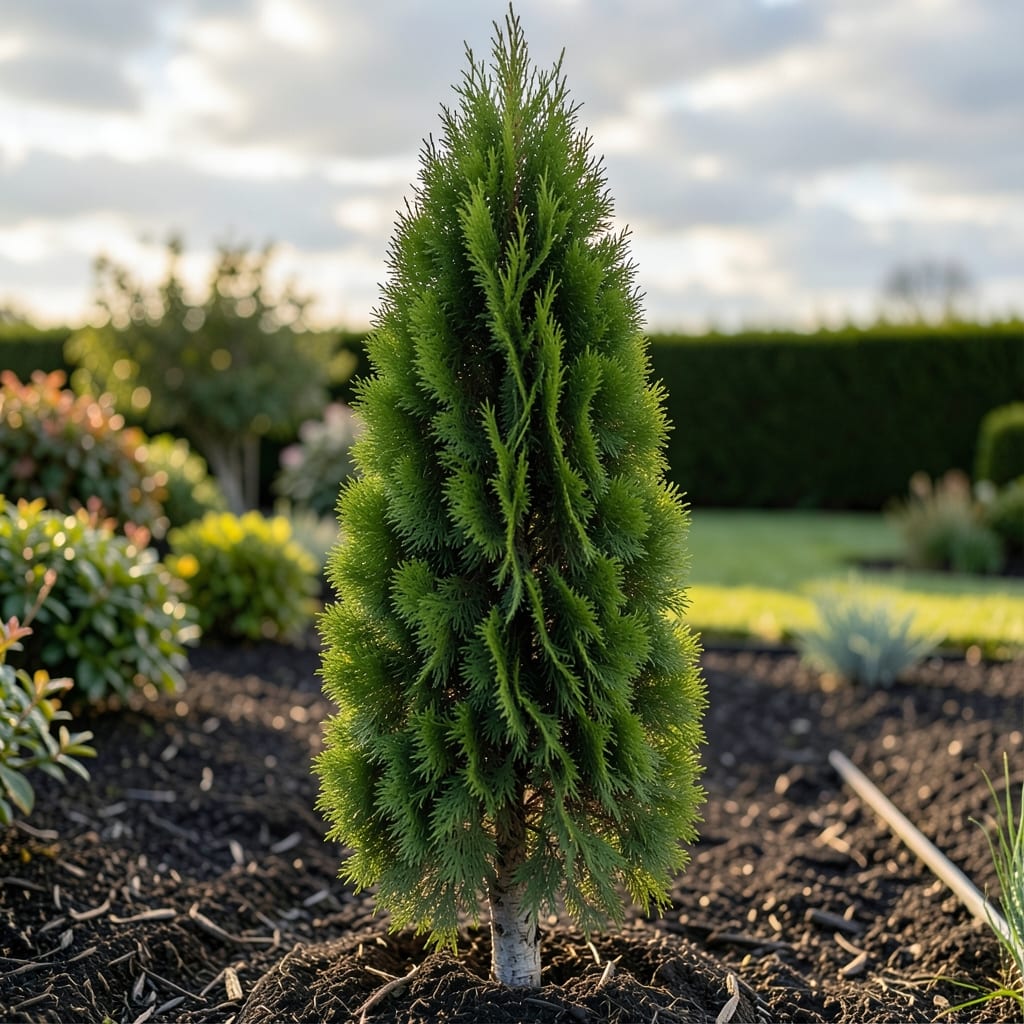
Wondering how tall can Emerald Green Arborvitae grow in your backyard without taking over your space? This stunning 🌲 shrub can reach an impressive 12–15 feet tall if left unchecked—but with the right care, you can easily keep it compact and manageable.
What makes the Emerald Green Arborvitae so popular is its versatility. Whether you’re aiming for a privacy screen or a simple garden border, its growth habits can be tailored to fit your needs. The key lies in understanding its natural growth rate and how simple pruning techniques can shape it to your liking.
In just a few years, this shrub can grow 4–6 feet tall, but with regular maintenance, you can control its height and width. Let’s explore how to keep your Emerald Green Arborvitae at your desired size while ensuring it stays lush and healthy.
From seasonal pruning tips to choosing the right location, I’ll walk you through everything you need to know to maintain a perfectly sized shrub—no matter how limited your outdoor space may be.


Natural height range of Emerald Green Arborvitae: what to expect without pruning
The Emerald Green Arborvitae is a stunning evergreen shrub that can grow to an impressive 12–15 feet tall when left unpruned, with a spread of 3–4 feet wide. This makes it a fantastic choice for privacy screens or tall hedges, but its size can be intimidating if you have limited space.
Under ideal conditions—like full sun exposure, well-draining soil, and regular watering—this shrub grows at a moderate pace. In its first year, you’ll likely see it reach 2–3 feet, and by year three, it can easily double in height to 8–10 feet.
However, its growth rate slows as it matures, meaning it may take 5–10 years to reach its full height. If you’re in a cooler climate (like USDA Zone 3–7), expect slightly slower growth compared to warmer regions where it thrives even faster.
One common misconception is that all Emerald Green Arborvitae grow to the same size. In reality, their height can vary based on soil quality, sunlight levels, and even the specific cultivar. For example, some nurseries sell dwarf versions that stay under 6 feet tall, making them perfect for small yards.
If you’re planting in an urban setting with limited space, the shrub’s natural growth can quickly become a problem. Without pruning, it may outgrow its designated area, blocking sunlight from neighboring plants or even encroaching on walkways.
Here’s what influences its height the most:
| Factor | Impact on Height |
|---|---|
| Sunlight | Full sun (6+ hours) = faster growth; partial shade slows it down |
| Soil Quality | Rich, well-draining soil = taller growth; poor soil = stunted growth |
| Watering | Consistent moisture = faster growth; drought = slower growth |
| Climate | Warmer climates = faster growth; cooler climates = slower growth |
| Pruning | Regular pruning = controlled height; no pruning = full height (12–15 ft) |
For example, if you plant your Emerald Green Arborvitae in partial shade with average soil, it might only reach 8–10 feet tall. But in full sun with rich soil, it could easily hit its 15-foot maximum within a decade.
If you’re unsure about your shrub’s potential height, check the tag when you purchase it—some nurseries specify whether it’s a standard, semi-dwarf, or dwarf variety. This small detail can save you from overcrowding issues later on.
Even if you love the look of a tall Emerald Green Arborvitae, don’t worry—with the right pruning techniques, you can keep it at a manageable height without sacrificing its beauty or health. The key is to start early and stay consistent.
Next, we’ll dive into the best pruning methods to keep your shrub at your desired height, whether you want it as a short hedge or a tall privacy screen.
Step-by-step pruning guide to control Emerald Green Arborvitae height
The secret to keeping your Emerald Green Arborvitae at your desired height lies in strategic pruning. This shrub responds beautifully to regular trimming, allowing you to shape it into a compact hedge or a tall privacy screen—your choice! The best time to prune is in late winter or early spring, just before new growth begins. This timing ensures you don’t accidentally remove next year’s buds.
Start by removing any dead or diseased branches first—these can spread problems to healthy parts of the shrub. Use clean, sharp pruning shears or a hedge trimmer to make clean cuts just above a healthy bud or branch junction. Avoid cutting into old wood, as this can leave unsightly stubs that won’t heal properly.
For a neat, uniform look, use a hedge trimmer to shear the top and sides of the shrub. Hold the trimmer at a slight angle to create a natural taper, which helps rainwater run off instead of pooling on the foliage. If you’re aiming for a more natural shape, selectively prune branches to open up the center and encourage airflow.
Here’s a simple step-by-step pruning