
Plants
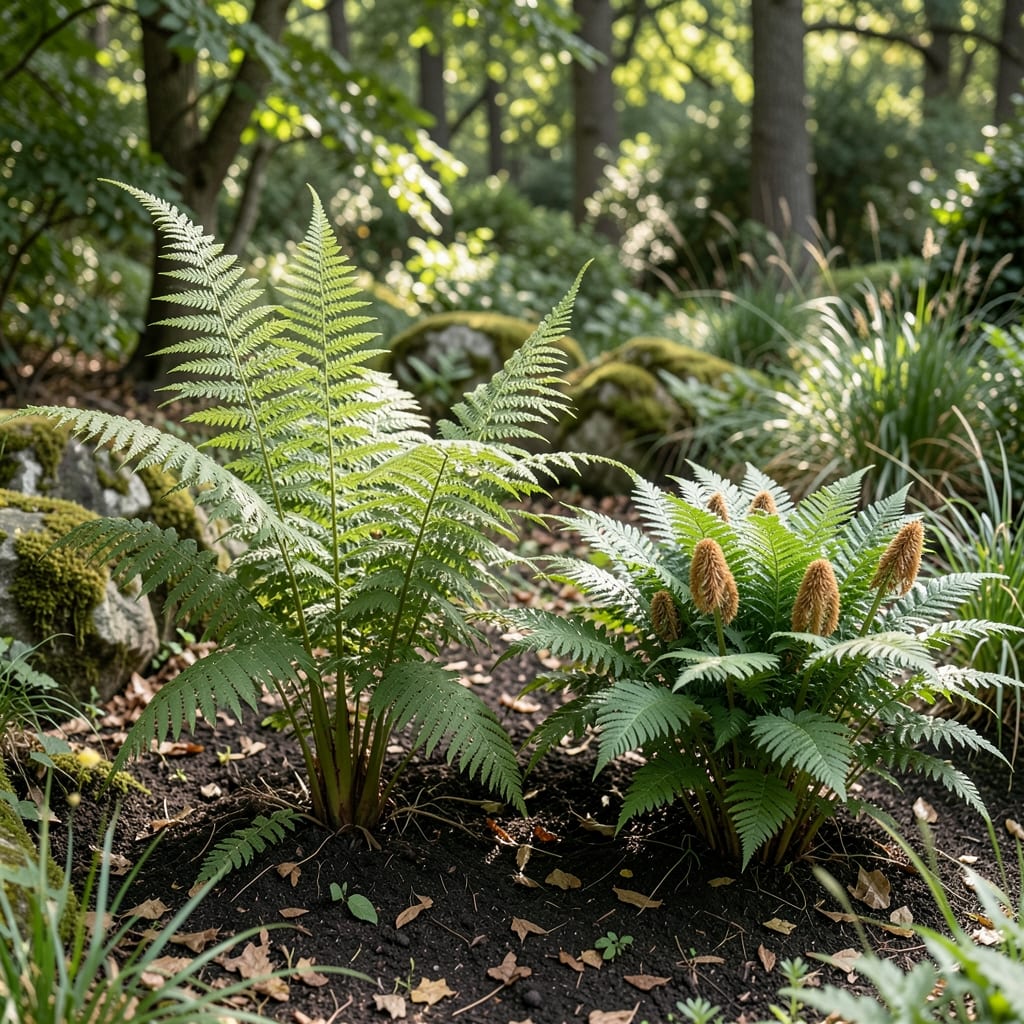
Wondering how tall can ferns grow in your garden? The answer might surprise you—some varieties stay compact enough for windowsills, while others reach heights that rival small trees! Whether you're dreaming of a lush woodland corner or a striking vertical garden, choosing the right fern species is key to getting the perfect height for your space.
Ferns like the delicate maidenhair can stay under 1 foot tall, making them ideal for terrariums or small containers, while towering varieties like the ostrich fern can soar to 10 feet or more. The secret to unlocking their full potential lies in understanding their natural growth habits and creating the right conditions—think moisture, shade, and the right soil mix.
In this guide, I’ll break down the height ranges of popular fern species, from tiny dwarf varieties to giant architectural plants, and share tips to help yours thrive. Whether you’re working with limited space or aiming for a dramatic focal point, you’ll learn how to nurture ferns to their full height potential—without sacrificing their lush, verdant beauty.
Ready to transform your garden into a green oasis? Let’s dive into the world of ferns and discover how to grow them to their ideal heights—no matter how big (or small) your vision may be.


Fern height ranges by species: from tiny to tree-like giants
Ferns offer an incredible range of heights, from delicate miniature varieties that fit in terrariums to towering giants that dominate garden borders. Understanding these height ranges helps you select the perfect fern for your space—whether you need a windowsill accent or a woodland understory. Most ferns fall into four height categories: dwarf (under 1 foot), medium (1-3 feet), tall (3-6 feet), and giant (6+ feet).
The maidenhair fern is a classic example of a dwarf variety, typically reaching just 6-12 inches tall, making it ideal for hanging baskets or small containers. On the other end of the spectrum, the ostrich fern can grow 8-10 feet tall, creating a dramatic focal point in shady garden corners. Even within these categories, growth habits vary—some ferns grow vertically, while others spread horizontally with lush foliage.
Here’s a quick guide to help you visualize fern heights and their ideal growing conditions:
| Category | Height Range | Examples | Ideal Conditions |
|---|---|---|---|
| Dwarf | 6"–12" | Maidenhair Fern, Button Fern | Containers, terrariums, bright indirect light |
| Medium | 1'–3' | Boston Fern, Holly Fern | Partial shade, moist soil, USDA Zones 5-9 |
| Tall | 3'–6' | Ostrich Fern, Cinnamon Fern | Deep shade, rich soil, Zones 4-8 |
| Giant | 6'+ | Royal Fern, Southern Shield Fern | Humid climates, filtered light, Zones 6-10 |
One of the most popular medium-height ferns is the Boston fern, which typically reaches 2-3 feet tall with lush, feathery fronds. This variety thrives in partial shade and is perfect for adding texture to garden beds or hanging baskets. For tall ferns, the ostrich fern is a standout, with its arching fronds that can grow up to 8 feet in ideal conditions.
If you’re growing ferns in containers, dwarf varieties like the button fern (6-12 inches) are excellent choices. These ferns stay compact, making them ideal for windowsills or patio planters. However, even container-grown ferns need proper care—well-draining soil and consistent moisture are non-negotiable for healthy growth. Without these, even dwarf varieties may struggle to reach their full potential height.
For giant ferns, consider the royal fern, which can grow 6-10 feet tall in the right conditions. These ferns love humid environments and deep shade, making them perfect for woodland gardens or as backdrop plants in larger landscapes. Their towering fronds create a dramatic vertical element that adds depth to any garden design.
Factors like light exposure, soil quality, and humidity levels play a huge role in determining how tall your ferns will grow. For example, direct sunlight can stunt growth in many fern species, while low humidity may cause fronds to brown and weaken. Creating the right environment—whether through mulching, shade cloth, or regular misting—can help your ferns reach their maximum height potential.
Pro tip: If you’re planting ferns in groups, leave at least 1-2 feet of space between each plant to prevent over
How to choose ferns based on garden space and design needs
Selecting the right fern for your garden starts with matching its mature height to your available space. For small gardens or containers, dwarf varieties like the Japanese painted fern (12-18 inches) create stunning visual impact without overwhelming your space. These ferns thrive in 6-inch pots and add delicate texture to patios or windowsills. Their compact size makes them perfect for urban gardens where space is limited.
When designing layered garden beds, medium-height ferns like the autumn fern (2-3 feet) work beautifully as mid-level plants. Place them behind dwarf perennials like ajuga and in front of tall shrubs to create depth. Their arching fronds soften harsh lines and add movement to static landscapes. For shady borders, these ferns provide year-round interest with their evergreen foliage.
- 🌱 Containers: Choose dwarf varieties (6"-18") for hanging baskets or windowsill gardens—ideal for maidenhair or button ferns.
- 🌿 Understory Planting: Medium ferns (1'-3') like Boston ferns create lush ground cover under trees or shrubs.
- 🌳 Vertical Accents: Tall ferns (3'-6') such as ostrich ferns add dramatic height to shady corners or garden backdrops.
- 🏡 Architectural Focal Points: Giant ferns (6'+) like royal ferns make statement plants in woodland gardens or near water features.
- 🌧️ Humid Climates: Prioritize moisture-loving varieties (e.g., Southern shield fern) for tropical garden designs.
For woodland gardens, tall ferns like the cinnamon fern (4-6 feet) excel as backdrop plants. Their feathery fronds contrast beautifully with hostas or astilbes, while their height creates a natural privacy screen. In urban landscapes, consider the holly fern (2-3 feet), which tolerates city pollution and thrives in partial shade near buildings.
Pro tip: If your garden has limited sunlight, prioritize ferns like the leatherleaf fern (1-2 feet), which thrives in deep shade and adds texture to dark corners. Pair it with heuchera or ferns for a cohesive shade garden. For sunny spots, opt for drought-tolerant varieties like the lady fern, which handles 4-6 hours of morning sun better than most.
Remember that container size directly impacts height potential. A 10-inch pot will restrict a Boston fern to 1-2 feet, while a 20-gallon container allows it to reach 3 feet. Always choose containers with drainage holes and use moisture-retentive potting mix to encourage optimal growth. For ground planting, amend soil with compost to improve drainage and fertility.
When layering ferns in your design, follow the 1/3 rule: place tallest ferns at the back, medium-height varieties in the middle, and dwarf species in the front. This creates a natural progression that guides the eye through your garden. For container arrangements, group ferns by height—tallest in the center, medium-height around them, and dwarf varieties cascading over the edges.