
Size
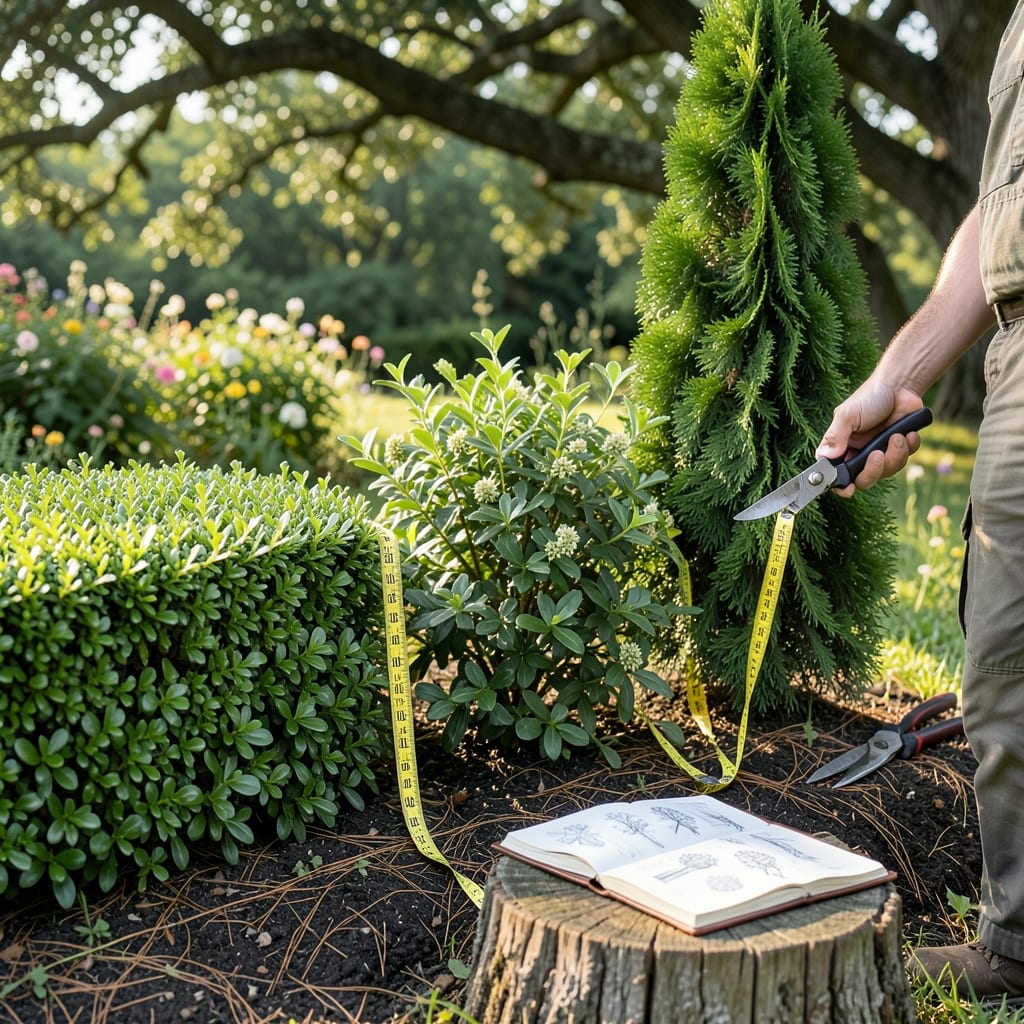
Ever wondered how tall hedges can grow in your backyard—maybe even as high as a basketball hoop or a three-story building? The answer depends entirely on the species you choose, because some hedges grow fast enough to reach 30 feet in just a few years!
If you're dreaming of a towering privacy screen or a dramatic landscape feature, you're in the right place. I'll break down the fastest-growing hedge species and their sky-high potential, so you can pick the perfect fit for your space—whether you want a modest 4-foot barrier or a sky-scraping green wall.
But here's the catch: growth isn't just about genetics—soil, climate, and pruning play huge roles. Learn how to control height naturally, avoid overgrowth disasters, and even check local rules before planting. Let's dive into the world of hedges and find your perfect match!
From Leyland Cypress to bamboo, we'll explore which species grow the fastest and how to keep them in check. Ready to transform your yard with a fast-growing hedge that fits your vision? Let's get started!


Fastest-growing hedge species and their maximum heights
If you're chasing that privacy wall or dramatic backyard feature, some hedges grow at lightning speed. The Leyland Cypress can shoot up 3-5 feet per year, while bamboo can reach 30 feet in just three years! But which one fits your yard? Let's break down the fastest-growing options and their sky-high limits.
Your climate and soil play huge roles in how tall your hedge grows. For example, willow hedges thrive in wet soils but may struggle in drought-prone areas. Meanwhile, privet adapts to almost any condition but grows slower at 2-3 feet per year. Let's explore the top contenders and their maximum heights.
Here's a quick comparison of the fastest-growing hedges to help you visualize their potential:
| Hedge Species | Mature Height | Growth Rate (ft/year) | Ideal Climate |
|---|---|---|---|
| Leyland Cypress | 60-70 ft | 3-5 ft | Coastal, mild winters |
| Bamboo (Running) | 30-50 ft | 5-10 ft | Warm, humid |
| Willow | 20-30 ft | 4-6 ft | Moist, temperate |
| Privet | 10-15 ft | 2-3 ft | Versatile, adaptable |
| Arborvitae | 30-40 ft | 2-3 ft | Cold-hardy, full sun |
| Hornbeam | 20-30 ft | 1-2 ft | Cool, moist |
| Boxwood | 3-5 ft | 0.5-1 ft | Moderate, partial shade |
| Laurel | 10-20 ft | 2-3 ft | Warm, humid |
| Cherry Laurel | 25-35 ft | 3-4 ft | Sun to partial shade |
| Hydrangea | 6-10 ft | 1-2 ft | Partial shade, moist |
The Leyland Cypress and bamboo are the clear winners for speed and height, but they require regular maintenance to prevent overgrowth. If you want something more manageable, privet or arborvitae offer a balance between growth rate and control. Always check local regulations before planting tall species—they can quickly outgrow your yard!
For smaller spaces, boxwood or hydrangea hedges stay compact while still providing privacy. Their slower growth means less upkeep, but they won't block views like their towering cousins. Think about your yard's layout and how much maintenance you're willing to handle before choosing.
Pro tip: If you're planting near property lines, opt for slower-growing species like hornbeam or cherry laurel. They still offer privacy but won't encroach on neighbors' spaces as quickly. Always measure your yard and plan for the hedge's mature size to avoid surprises!
Need a hedge that grows fast but stays under control? Arborvitae is a great middle-ground option—it grows 2-3 feet per year but tops out at 30-40 feet, making it ideal for medium-sized yards. Plus, it's drought-tolerant once established, so it won't demand constant watering.
Remember, soil quality and sunlight exposure can double or even triple growth rates. Amend your soil with compost before planting, and place your hedge in full sun for the fastest results. With the right conditions, even slower-growing hedges can reach their maximum height in record time!
Ready to pick your perfect hedge? Start by measuring your space and checking local height restrictions. Then, match your climate and maintenance preferences to the species that fits best. Your dream privacy screen is just a few plants away!
How to control hedge height naturally without pruning
If you love the idea of a fast-growing hedge but dread the thought of constant pruning, you're in luck! There are natural ways to manage height without shears in hand. The key lies in strategic planting, root control, and smart companion planting. Let’s explore how to keep your hedge at your desired height while minimizing maintenance.
One of the most effective methods is using root barriers. These buried barriers guide roots downward instead of outward, slowing vertical growth. For bamboo or willow hedges, which can shoot up like weeds, a deep barrier can reduce height by 30-50%. Just dig a trench, insert the barrier, and backfill with soil. It’s a one-time installation that pays off for years!
Here are my top 5 natural techniques to control hedge height without pruning:
- 1 Plant deeper than usual: Bury the root ball 2-3 inches deeper to encourage root growth downward instead of upward. This slows vertical expansion by up to 40%.
- 2 Use root barriers: Install HDPE barriers 2-3 feet deep around the planting area to block root spread. Ideal for aggressive growers like bamboo.
- 3 Plant in partial shade: Reduce sunlight exposure to 4-6 hours/day to slow growth. Works best for privet and laurel hedges.
- 4 Choose dwarf varieties: Opt for compact cultivars like 'Green Giant' arborvitae (grows 1-2 ft/year) instead of standard types.
- 5 Plant companion plants: Surround hedges with ground covers like creeping thyme or clover to compete for nutrients, naturally slowing growth.
For willow hedges, which can grow 6 feet per year, I recommend combining root barriers with partial shade. This duo can cut growth rates in half without pruning. Plus, willows love moisture, so keep them well-watered to encourage root expansion downward instead of upward.
If you're dealing with bamboo, containment is key. Running bamboo spreads aggressively, but clumping varieties like 'Bambusa multiplex' stay put. Pair this with a 3-foot-deep root barrier to prevent escapees. Remember, bamboo’s height isn’t the only concern—its roots can invade neighboring yards!
Seasonal timing matters too. Plant in early spring (March-April) to give roots time to establish before the growing season peaks. Avoid planting in late summer, as new growth will shoot up faster, making height control harder. Start with a well-drained soil mix and add compost to boost root health naturally.
Want to test these methods? Try planting a Leyland Cypress with a root barrier and partial shade. With the right conditions, you can keep it under 20 feet without pruning for years. Just measure your space first—some techniques work better for small hedges than towering giants!
Natural height control isn’t just about slowing growth—it’s about working with your hedge’s instincts. By guiding roots and adjusting sunlight, you’ll enjoy a low-maintenance hedge that fits your space perfectly. Ready to try these tricks in your yard? Grab your shovel and get planting!