
How To
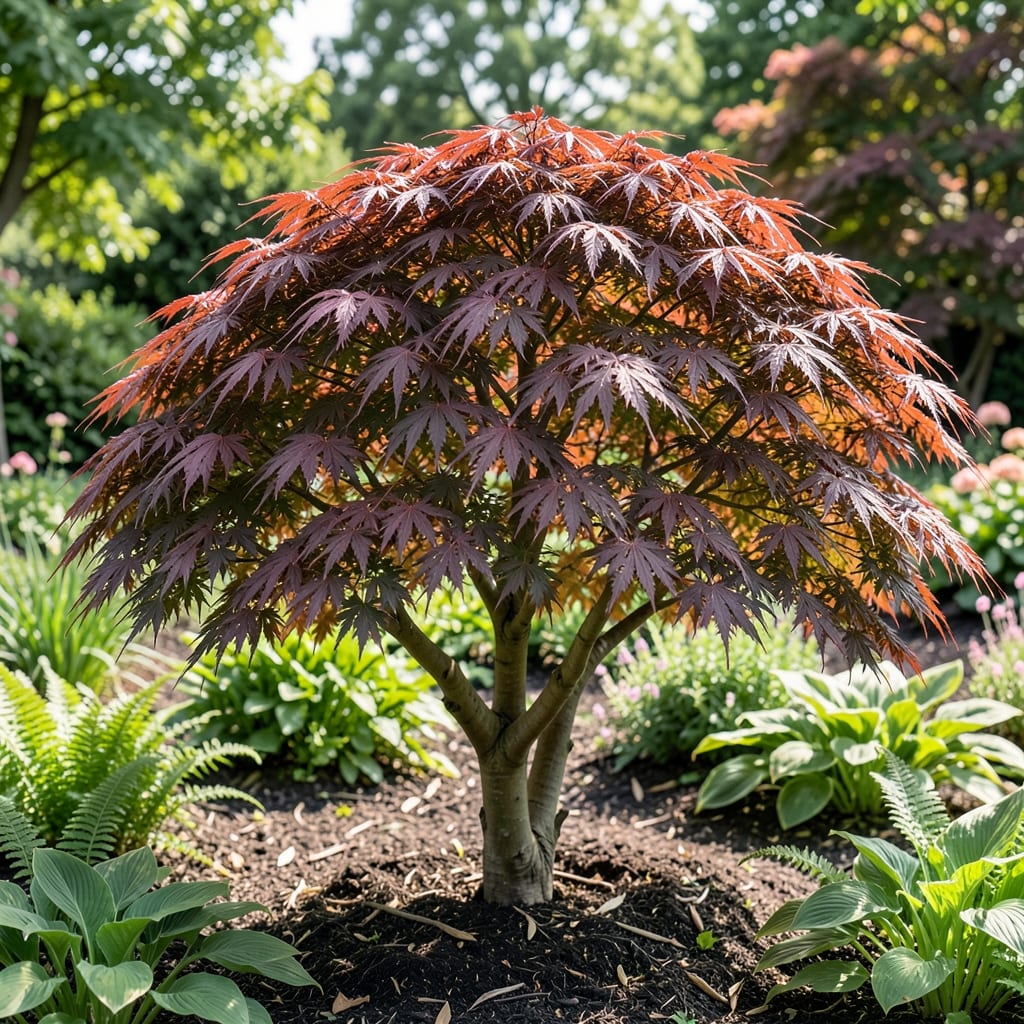
If you're dreaming of adding a Japanese Maple 🌿 to your landscape, you might be wondering just how tall these stunning trees can grow—and whether they'll outgrow your space faster than you think. The truth is, their mature height can swing wildly from compact shrubs to towering giants, depending on the variety and care you provide.
Some Japanese Maples barely reach 3 feet at maturity, making them perfect for small gardens or even large containers, while others stretch toward 30 feet or more, becoming the centerpiece of a backyard. Knowing these growth ranges upfront is the key to choosing the right tree for your vision and avoiding future headaches.
In this guide, I’ll break down exactly how tall different Japanese Maple varieties can grow, from dwarf cultivars to grand specimens, and share my best tips for controlling their height through smart planting and pruning. Whether you're working with Zone 6a conditions or just love the idea of shaping your tree’s future, you’ll leave here with a clear plan.
Ready to pick the perfect size for your space? Let’s dive into the varieties that will fit your landscape—and the tricks to keep them exactly where you want them.


Japanese Maple mature heights by variety: small to giant growth ranges
Japanese Maples (Acer palmatum and Acer japonicum) offer an incredible range of mature heights, from tiny tabletop specimens to towering shade trees. The variety you choose will determine whether your tree stays under 3 feet or reaches 30 feet or more. Let’s explore the most popular types and their growth habits to help you pick the perfect fit for your space.
Dwarf varieties like 'Tamukeyama' or 'Crimson Queen' max out around 6-12 feet, making them ideal for small gardens or even large containers. These compact trees grow slowly—often gaining just 6 inches per year—so they’ll stay manageable for decades. On the other end of the spectrum, standard varieties like 'Bloodgood' or 'Emperor I' can soar to 20-30 feet, requiring careful planning for their eventual size.
Here’s a quick breakdown of how different Japanese Maples compare in height, along with their growth rates and ideal planting scenarios. This table will help you visualize which varieties will thrive in your landscape or container setup.
| Variety | Mature Height | Growth Rate | Best For |
|---|---|---|---|
| 'Tamukeyama' | 6-10 ft | 6 in/year | Containers, small gardens |
| 'Crimson Queen' | 8-12 ft | 8 in/year | Bonsai, urban gardens |
| 'Bloodgood' | 20-25 ft | 12 in/year | Shade trees, large yards |
| 'Emperor I' | 25-30 ft | 10 in/year | Park-like settings |
| 'Shishigashira' | 12-15 ft | 8 in/year | Medium gardens, patios |
| 'Viridis' | 15-20 ft | 10 in/year | Specimen trees, borders |
If you’re working with limited space, dwarf varieties like 'Tamukeyama' or 'Crimson Queen' are my top recommendations. These trees grow slowly and can even be pruned into bonsai shapes, making them versatile for containers or small yards. For larger properties, 'Bloodgood' or 'Emperor I' will provide dramatic height and year-round color—but plan for their eventual size by planting them far from structures or power lines.
One factor that often surprises new growers is how soil quality and sunlight exposure can influence height. Japanese Maples planted in rich, acidic soil with partial shade tend to grow more slowly and stay compact, while those in poor soil or full sun may stretch taller as they reach for light. Always amend your soil with organic matter like compost or peat moss to encourage healthier, slower growth.
For container gardening, stick to varieties under 12 feet at maturity, like 'Shishigashira' or 'Crimson Queen'. Use a large pot (at least 20 gallons) with drainage holes and repot every 2-3 years to accommodate root growth. Containers dry out faster, so monitor soil moisture closely—Japanese Maples in pots need daily watering in hot weather to prevent stress.
If you’re unsure which variety to choose, consider your long-term vision for the space. Will you want to prune the tree regularly, or do you prefer a low-maintenance option? Dwarf varieties require minimal pruning, while larger trees may need annual shaping to control their height. I always recommend starting with a smaller variety if you’re new to Japanese Maples—they’re easier to manage and still offer stunning foliage.
Pro tip: Check the tag or nursery description for the exact cultivar name—many "dwarf" varieties can still grow taller than expected if not pruned. For example, 'Crimson Queen' is often marketed as a dwarf, but without pruning, it can reach 12 feet or more. Always ask for the mature height range before purchasing to avoid surprises.
Pruning techniques to control Japanese Maple height and shape
Pruning is the single most effective way to control how tall your Japanese Maple grows—and it’s easier than you think. Unlike fast-growing trees, Japanese Maples respond well to gentle shaping, allowing you to guide their height without causing stress. The key is timing, technique, and knowing which branches to target. For example, a 10-foot 'Shishigashira' can be kept at 6 feet with regular pruning, while a 25-foot 'Bloodgood' can be shaped into a multi-trunk specimen with strategic cuts.
Start by identifying your goal: Do you want to reduce height, encourage bushiness, or shape a specific form? For height control, focus on pruning the uppermost branches first—this signals the tree to grow wider rather than taller. Avoid cutting more than 25% of the canopy in a single session, as this can shock the tree and lead to weak growth. Always use sharp, clean pruners to make clean cuts just above a bud or branch collar.
Here’s my step-by-step guide to pruning Japanese Maples for height control, including when to prune and how much to remove without harming the tree’s health. This method works for both dwarf varieties and larger specimens.
- Step 1: Prune in Late Winter or Early Spring (February-March) when the tree is dormant but before new buds swell. This timing minimizes stress and encourages healthy growth.
- Step 2: Remove Dead or Crossing Branches first—these compete for nutrients and can distort the tree’s shape. Use sterilized pruners to avoid spreading disease.
- Step 3: Thin the Canopy by selecting 3-5 main branches to keep as your tree’s framework. Remove smaller branches growing between these to improve airflow and reduce height.
- Step 4: Cut Back Vertical Shoots (water sprouts) that grow straight up—these are the fastest way your tree gains height. Aim to cut them back to a lateral bud or side branch.
- Step 5: Shape the Crown by pruning outward-facing branches to create a rounded or vase-like form. Avoid cutting into the branch collar to prevent damage.
- Step 6: Light Pruning in Summer (June-July) to refine shape and remove any suckers or weak growth. Limit cuts to 10% of the canopy to avoid stress.
For dwarf varieties like 'Crimson Queen,' I recommend annual pruning in early spring to maintain their compact size. These trees grow slowly, so a few strategic cuts each year will keep them at your desired height. For larger varieties like 'Bloodgood,' prune every 2-3 years in late winter to control height and encourage a fuller canopy. Always step back and visualize the tree’s shape after pruning—Japanese Maples respond beautifully to gentle guidance.
One common mistake is pruning too late in the season. Avoid heavy pruning after mid-summer, as this can stimulate new growth that won’t harden off before winter. Instead, focus on light shaping in late summer to clean up any unsightly branches while allowing the tree to prepare for dormancy. If you notice water sprouts (fast-growing vertical shoots) in spring, prune them immediately—they’re a surefire sign your tree is trying to grow taller.
Pro tip: Use pruning paste on larger cuts (over 1 inch in diameter) to seal the wound and prevent disease. For smaller branches, a clean cut with sharp tools is all you need. And remember, Japanese Maples heal slowly—give them time to recover between pruning sessions. With patience and consistency, you can keep your tree at the perfect height for your space, whether that’s a 3-foot bonsai or a 15-foot patio centerpiece.**