
Vegetables
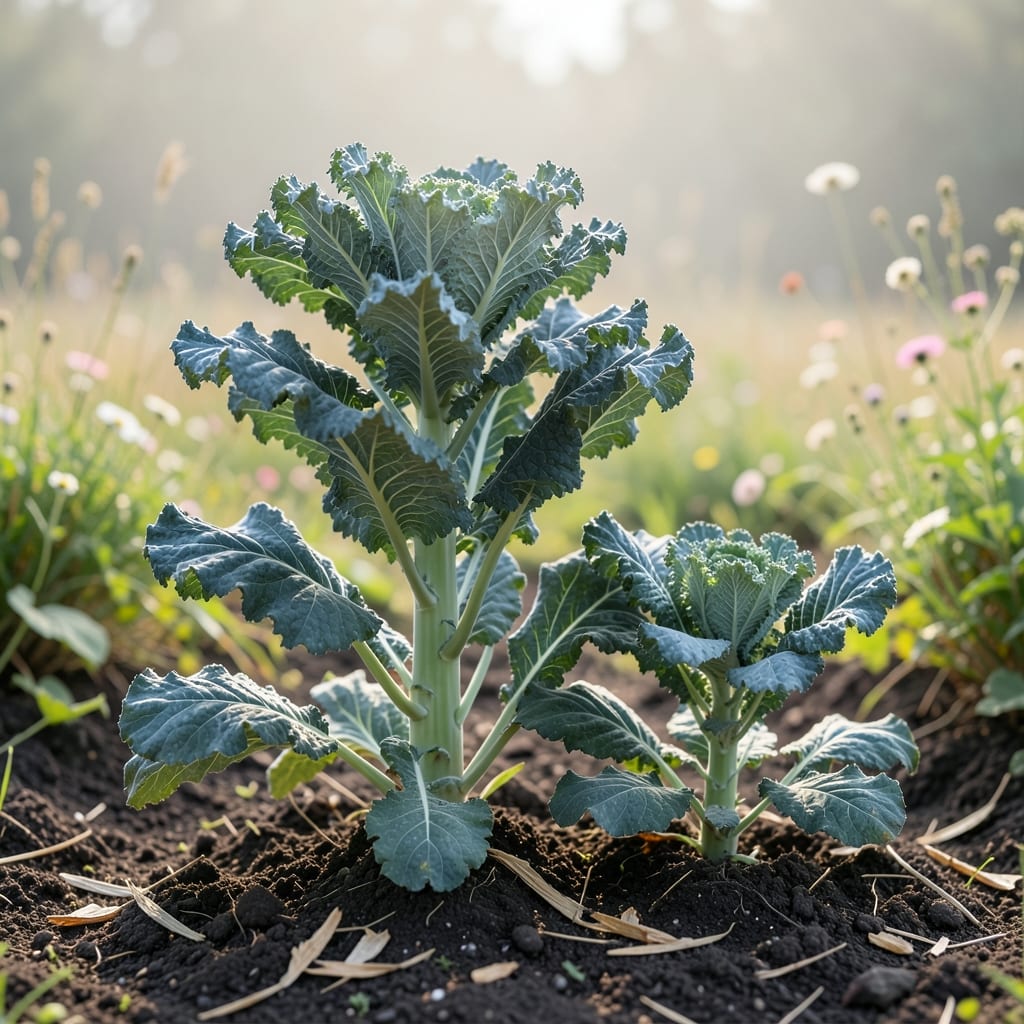
If you’ve ever wondered how tall can kale grow, the answer might surprise you—especially when you see varieties stretching toward the sky like leafy skyscrapers. While most home gardeners picture kale as a compact, bushy plant, some types can reach heights of 5 feet or more, depending on the variety and growing conditions.
This isn’t just about space, though. The right pruning techniques can keep your kale taller and more productive—or shorter and easier to manage—while ensuring you get a steady harvest. Whether you’re working with dwarf varieties that stay under a foot or towering Red Russian stalks, understanding growth habits is the key to maximizing your garden’s potential.
But here’s the catch: taller kale doesn’t always mean better. Without proper care, those lanky stems can become woody or bolt prematurely, ruining your harvest. That’s why I’ll walk you through the fastest-growing varieties, smart pruning secrets, and when to harvest for the best balance of height and flavor.
Ready to turn your kale patch into a leafy powerhouse? Let’s dive into the secrets of managing growth—so you can enjoy fresh, homegrown greens all season long.


Kale growth height by variety: from dwarf to towering giants
When you ask how tall can kale grow, the answer depends entirely on the variety you’re cultivating. Some kale plants stay neatly contained at just 8 inches tall, while others can stretch toward 5 feet or more under ideal conditions. This dramatic range means your garden layout—and your harvest strategy—will vary wildly depending on what you plant.
For example, Dwarf Blue Curled kale remains compact, perfect for small spaces or container gardening, while Red Russian and Lacinato (Dinosaur) varieties can become towering leafy giants. Even within the same variety, growth habits shift based on pruning practices, climate conditions, and soil fertility. Let’s break down the height spectrum so you can choose—and manage—kale that fits your garden’s vision.
Understanding these differences isn’t just about aesthetics. Taller varieties often produce larger leaves but require more space and support, while dwarf types offer quicker harvests with minimal upkeep. The key is matching your variety to your garden’s layout and your harvest goals—whether you prioritize speed, size, or continuous production.
Here’s a quick snapshot of what to expect from popular kale varieties, including their mature heights and ideal spacing to prevent overcrowding:
| Variety | Mature Height | Growth Habit | Ideal Spacing | Best For |
|---|---|---|---|---|
| Dwarf Blue Curled | 8–12 inches | Compact, bushy | 12 inches apart | Containers, small gardens |
| Red Russian | 3–5 feet | Tall, slender stalks | 18–24 inches apart | Large gardens, cold climates |
| Lacinato (Dinosaur) | 2–3 feet | Medium height, broad leaves | 16–18 inches apart | Year-round harvests |
| Winterbor | 18–24 inches | Semi-dwarf, cold-hardy | 14–16 inches apart | Fall/winter harvests |
| Scarlet | 2–3 feet | Tall, curly leaves | 18–24 inches apart | Long harvest seasons |
If you’re growing kale in containers, dwarf varieties like Dwarf Blue Curled or Mizuna (which maxes out at 12–18 inches) are your best bet. They thrive in 5-gallon pots with proper drainage, making them ideal for balconies or patios. Just ensure the container is at least 12 inches deep to accommodate root growth.
For those with spacious gardens, taller varieties like Red Russian or Scarlet can become architectural focal points. However, their height comes with trade-offs: they require sturdier stems to support leafy growth, and without proper pruning techniques, they’re prone to bolting (flowering prematurely) in hot weather. I’ll cover how to manage this in the next section.
One common misconception is that taller kale always means better harvests. In reality, leaf quality often suffers if plants grow too quickly without proper care. For instance, Lacinato kale can reach 3 feet tall but produces its most tender leaves when kept pruned and compact. The secret? Balancing height with harvest timing and pruning frequency to keep leaves sweet and crisp.
Pro tip: If you love the idea of tall kale but lack space, consider trellising varieties like Red Russian. By training them to grow vertically, you can fit more plants in a smaller footprint while still enjoying those towering leaves. Just use soft ties or plastic mesh to avoid damaging the stems.
Now that you know which varieties to pick based on height, let’s talk about how to control that growth—because even the tallest kale can be tamed with the right techniques. 🌱
Kale growth height by variety: from dwarf to towering giants
When planning your kale garden, one of the first questions I ask myself is how tall can kale grow—because the answer changes everything from spacing to pruning strategies. Some varieties stay compact enough for container gardens, while others reach 5 feet tall, making them perfect for vertical growing or larger backyard plots. The key difference often comes down to the variety you choose and how you manage its growth.
Dwarf varieties like Dwarf Blue Curled or Lacinato (Dinosaur Kale) typically max out around 12-18 inches, making them ideal for small spaces or urban gardens. These compact plants focus energy on leaf production rather than stem elongation, giving you a steady harvest without the need for tall supports. On the other end of the spectrum, Red Russian and Winterbor varieties can shoot up to 5 feet or more, especially in cool climates with long growing seasons.
🌱 Kale Growth Height by Variety
| Variety | Mature Height | Growth Habit | Ideal Spacing |
|---|---|---|---|
| Dwarf Blue Curled | 8-12 inches | Compact, bushy | 12 inches apart |
| Lacinato (Dinosaur) | 12-18 inches | Semi-upright | 18 inches apart |
| Red Russian | 3-5 feet | Tall, loose-leaf | 24 inches apart |
| Winterbor | 2-3 feet | Stem-type, upright | 18-24 inches apart |
| Scarlet | 18-24 inches | Curly, semi-tall | 18 inches apart |
If you’re growing kale in containers or small gardens, dwarf varieties are your best bet—they thrive in 5-gallon pots and don’t require staking. However, if you’re aiming for a longer harvest season, taller varieties like Red Russian can produce leaves for months, especially when pruned correctly. Just remember: the taller the variety, the more sturdy supports or trellising you’ll need to prevent flopping in wind or rain.
One common misconception is that taller kale varieties automatically produce more leaves. In reality, height doesn’t equal yield—it’s all about how you prune and harvest. For example, a 2-foot-tall Lacinato plant can outproduce a 5-foot Red Russian if the taller variety isn’t pruned properly. The secret? Regular harvesting encourages bushier growth, regardless of the variety’s natural height.
For urban gardeners or balcony growers, I recommend sticking to dwarf varieties like Dwarf Blue Curled or Tendergreen, which stay under 12 inches and are perfect for hanging baskets or window boxes. But if you have space and want to experiment, taller varieties can be a rewarding challenge—just be prepared for some extra maintenance to keep them productive and upright.