
How To
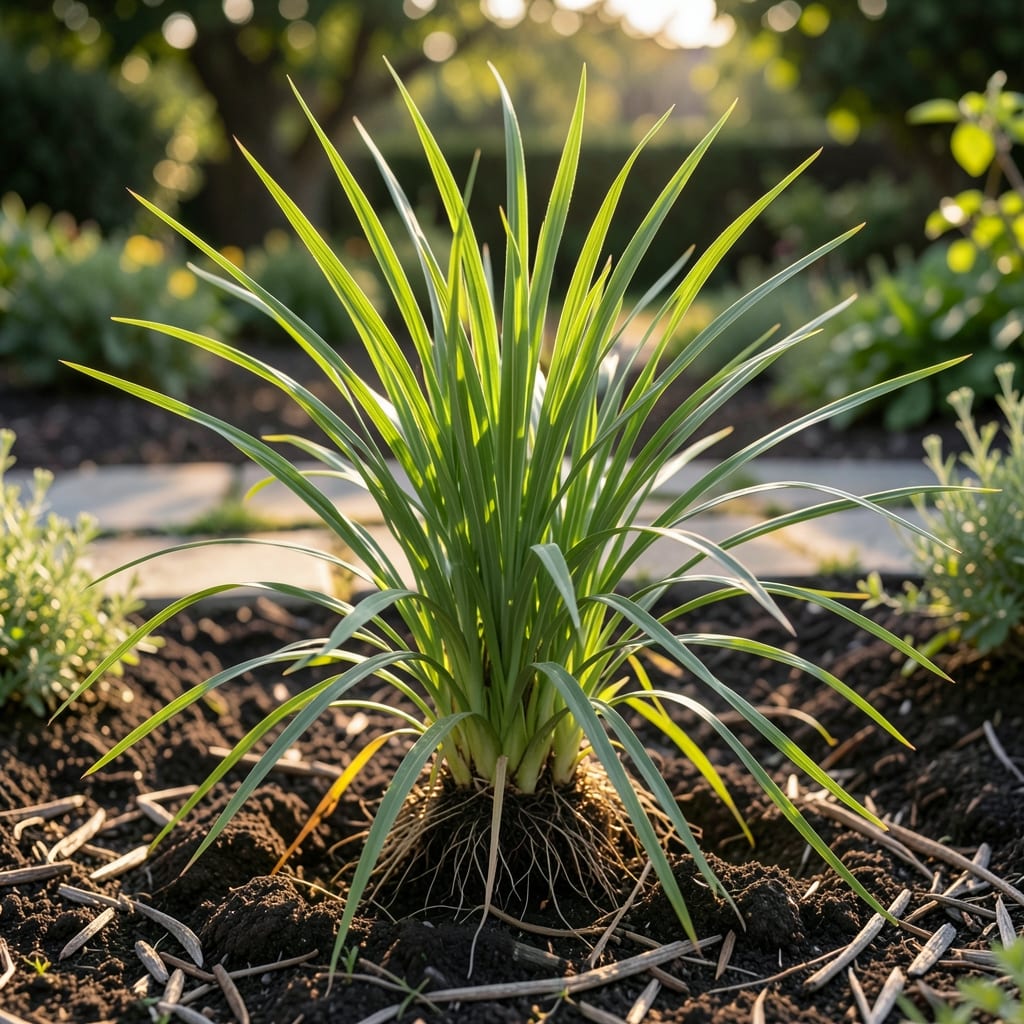
If you’ve ever wondered how tall can lemongrass grow, you’re in for a pleasant surprise—this fragrant 🌿 lemongrass can reach heights of 4 to 6 feet under the right conditions, making it a standout addition to any garden or kitchen. Whether you're growing it for culinary uses or just love its tropical vibe, understanding its growth potential is key to unlocking its full beauty.
Most gardeners assume lemongrass stays small, but with the right care—like plenty of sunlight, consistent watering, and proper spacing—it can thrive and grow tall. In USDA Zone 6, planting in April or May sets the stage for optimal growth, giving you 60 to 90 days to watch it flourish into a striking, aromatic plant.
What’s even more exciting is that lemongrass varieties can differ in height, with some reaching nearly 6 feet while others stay closer to 3 feet. The secret to encouraging taller growth lies in how you nurture it—from soil prep to pruning techniques—so you can enjoy a lush, towering plant that’s perfect for harvesting.
Ready to grow lemongrass that stands out? I’ll walk you through the care secrets that help it reach its full height potential, so you can enjoy a bountiful harvest without compromising on size or flavor.


Lemongrass height by variety: from compact to towering giants
When it comes to how tall can lemongrass grow, the answer depends heavily on the variety you choose. The most common type, Cymbopogon citratus, typically reaches 3 to 5 feet in height, making it a striking addition to any garden. However, if you're aiming for a taller lemongrass plant, varieties like Cymbopogon flexuosus can soar up to 6 feet under ideal conditions.
Climate plays a huge role in determining final height. In warmer regions like USDA Zone 9 or 10, lemongrass can grow even taller and more vigorously, while in cooler climates like Zone 6, it may stay on the shorter side unless given extra care. The key is understanding your local growing conditions and adjusting your expectations accordingly.
For gardeners in Zone 6, planting in April or May gives lemongrass enough time to establish strong roots before summer heat sets in. This timing often results in plants reaching 4 to 5 feet by the end of the growing season, especially if you provide consistent moisture and nutrients.
If you're growing lemongrass in containers, expect slightly shorter heights—typically 3 to 4 feet—since root growth is restricted. However, with proper pruning and care, container-grown lemongrass can still thrive and produce abundant stalks for harvesting.
🌱 Lemongrass Height Summary by Variety
| Variety | Height Range | Growth Notes |
|---|---|---|
| Cymbopogon citratus | 3–5 ft | Standard variety; thrives in warm climates |
| Cymbopogon flexuosus | 4–6 ft | Taller, more robust; ideal for tropical gardens |
| Dwarf Varieties | 2–3 ft | Compact; great for containers or small spaces |
| Container-Grown | 3–4 ft | Root-restricted but can still grow tall with care |
One of the most exciting aspects of growing lemongrass is watching it mature over the seasons. In its first year, you can expect heights of 3 to 4 feet, while a well-established plant in year two or three can easily reach 5 to 6 feet. This gradual growth makes it a rewarding plant to cultivate, especially if you're aiming for a tall, dramatic presence in your garden.
If you're growing lemongrass for culinary purposes, timing your harvest is crucial. The best time to harvest is when the stalks reach 12 to 18 inches in height and are firm but not woody. This ensures you get the most flavor while allowing the plant to continue growing taller for future harvests.
For those in cooler climates, overwintering lemongrass can be tricky, but with proper care—like moving potted plants indoors or mulching heavily—you can encourage it to regrow to its full height the following season. This resilience makes lemongrass a versatile choice for gardeners in a variety of climates.
To maximize height, focus on providing well-draining soil, consistent moisture, and full sun exposure. These factors work together to create the perfect conditions for lemongrass to reach its towering potential, whether you're growing it as a standalone specimen or in a mixed herb garden.
Whether you're a beginner or an experienced gardener, understanding the height potential of lemongrass varieties will help you plan your garden layout and care routine. With the right approach, you can enjoy a lush, aromatic plant that not only adds beauty to your space but also provides a bounty of fresh culinary ingredients.
Ready to see your lemongrass reach new heights? The next step is learning how to optimize its growth with proven care techniques—stay tuned for my tips on maximizing height without sacrificing health! 🌱
How to maximize lemongrass height: proven care secrets
To answer how tall can lemongrass grow and push it toward its maximum height of 6 feet, focus first on soil quality. Lemongrass thrives in well-draining, slightly acidic soil with a pH of 5.5 to 6.5. Amend heavy clay soil with compost or sand to prevent root suffocation, which can stunt growth. I always mix in 2 inches of organic matter before planting to give my lemongrass a strong foundation for reaching its full height potential.
Next, sunlight exposure is non-negotiable for tall lemongrass. Plant in a spot with 6+ hours of direct sunlight daily, ideally in a south-facing location. In my Zone 6 garden, I place lemongrass near my sunniest fence line where it gets morning sun and afternoon light. Without enough sunlight, your plant will grow leggy and weak, maxing out at just 3 feet instead of towering.
Watering plays a crucial role in height development. Lemongrass needs consistent moisture but hates soggy soil. I water deeply every 3-5 days in spring and summer, ensuring the top 6 inches of soil stay moist. For container-grown plants, I check soil moisture daily since pots dry out faster. Overwatering can cause root rot, while underwatering stresses the plant and limits its vertical growth.
🌱 Key Steps to Maximize Lemongrass Height
- Soil Prep: Mix 2" compost into planting hole for nutrient-rich foundation
- Sunlight: Provide 6+ hours full sun daily (south-facing best)
- Watering: Deep water every 3-5 days (morning preferred)
- Fertilizing: Use 10-10-10 fertilizer every 4-6 weeks during growing season
- Pruning: Cut back 1/3 of stalks after harvest to encourage bushier growth
Fertilizing smartly can boost height by 20-30%. I use a balanced 10-10-10 fertilizer every 4-6 weeks during the growing season (April through August). The key is timing—apply fertilizer in the early morning after watering to prevent root burn. Too much nitrogen makes plants lush but weak, while too little stunts vertical growth. I always follow the 1 tablespoon per plant rule to avoid overfeeding.
Pruning might seem counterintuitive for height, but it's essential. After harvesting, I always cut back 1/3 of the tallest stalks to about 12 inches from the base. This encourages bushier regrowth and prevents the plant from becoming top-heavy. I never remove more than 30% of foliage at once, as this can shock the plant and reduce its ability to grow taller. Regular pruning also keeps your lemongrass looking neat while maintaining its height potential.
For container growers, choose pots that are at least 12 inches deep to accommodate root growth. I use fabric grow bags for my container lemongrass because they allow better airflow to the roots.
Finally, monitor for pests like aphids or spider mites, which can weaken your plant and limit its growth. I treat infestations immediately with neem oil or insecticidal soap. A healthy lemongrass plant with no pest stress will naturally grow taller and stronger. With these care secrets, you'll be growing lemongrass that reaches its maximum height while staying vigorous and productive for years to come! 🌿