
How Tall Can Lilies Grow: Sky-High Varieties and Pruning Secrets for Garden Planning

Size

How Tall Can Lilies Grow: Sky-High Varieties and Pruning Secrets for Garden Planning

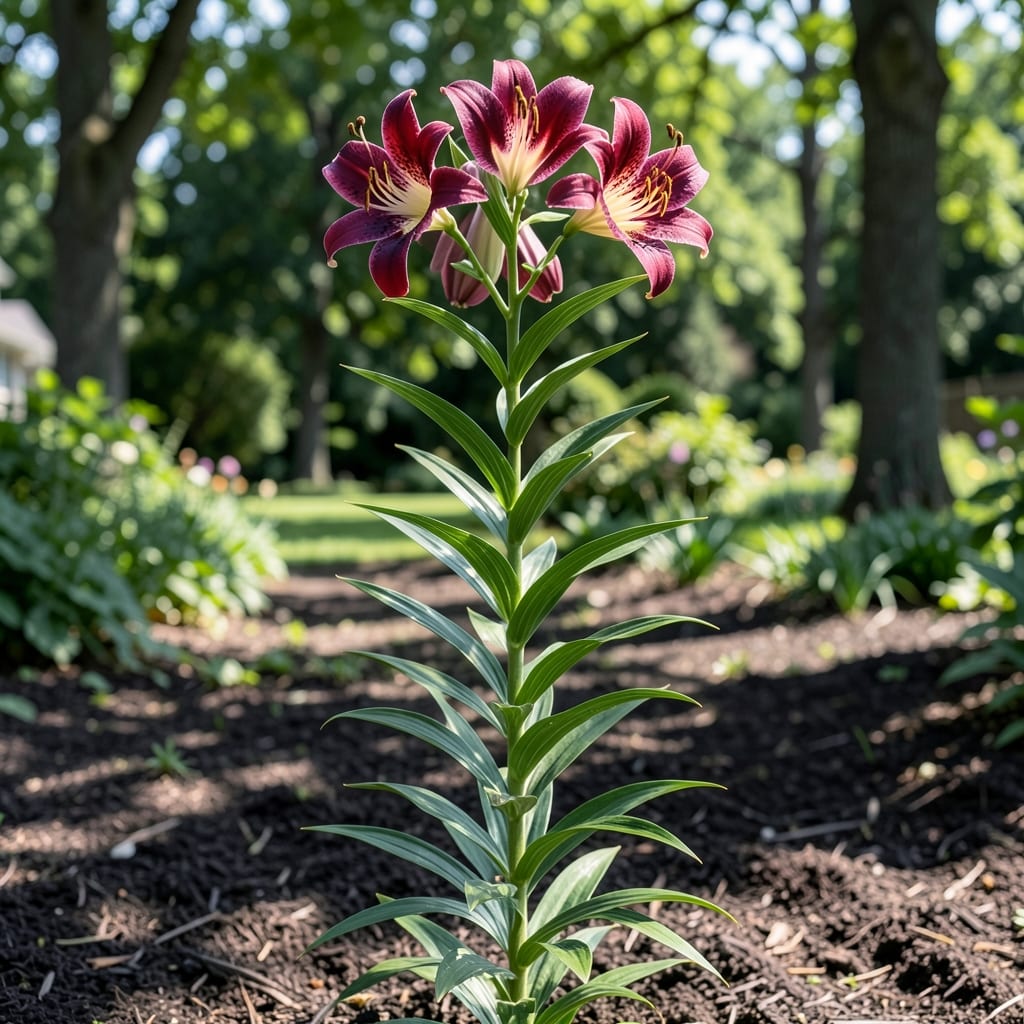
If you’ve ever admired a lily’s dramatic blooms reaching toward the sky, you might wonder: how tall can lilies grow? The answer will surprise you—some varieties stretch over 6 feet, while others stay compact enough for containers. Whether you’re planning a towering garden backdrop or a small-space display, understanding these heights is the key to placement and care.

Lilies like the Oriental and Trumpet types can dominate your garden, while dwarf Asiatics stay neat at just 1-2 feet. The difference isn’t just variety—soil, sunlight, and even pruning play a role. I’ll break down the exact heights you can expect and how to encourage (or control) their growth for a showstopping display.

Picture this: a 6-foot lily towering over a fence, its blooms swaying in the breeze. Or a 2-foot variety spilling over a patio planter. The choice depends on your space and goals. Let’s explore the tallest lilies, the shortest, and the secrets to getting them to reach their full potential—without sacrificing those stunning blooms.

Ready to transform your garden into a vertical floral masterpiece? I’ll share the pruning tricks and care tips that make the difference between a lily struggling to stand and one that thrives. Your dream garden starts with knowing just how high these beauties can climb.

Lily Height Range
1 ftto6 ft
0 ft 3 ft 6 ft 9 ft 12 ft
🌱 Medium Flower

Lily height guide: from dwarf beauties to towering giants (with exact measurements)

When planning your garden, knowing how tall can lilies grow helps you choose the perfect variety for your space. Some lilies stay short and manageable, while others grow like skyscrapers in your flowerbed. The Oriental lily, for example, can reach an impressive 5-6 feet, making it a statement piece for tall garden backdrops. Meanwhile, dwarf Asiatic lilies stay compact at just 1-2 feet, perfect for containers or small gardens.

But height isn’t just about variety—it’s also about growing conditions. Full sun exposure and rich, well-draining soil can push lilies to their maximum height, while shade or poor soil may stunt their growth. If you’re dreaming of a 6-foot lily tower, you’ll need to provide the right care. Let’s explore the exact heights you can expect from different lily types and how to encourage their growth.

Here’s the key: Trumpet lilies (like the Stargazer variety) often top out at 4-5 feet, while Martagon lilies stay shorter at 2-3 feet. Even within a single type, heights can vary. For instance, some Asiatic lilies grow 2-3 feet, while others stretch to 4 feet. Understanding these ranges helps you plan spacing and support for your garden layout.

Now, let’s dive into the specifics with a comparison of the tallest and shortest lily varieties. This will help you visualize which types fit your garden’s scale and design goals.

Lily Height Comparison: Tallest vs. Shortest Varieties

Variety Height Range Best For Spacing Needs
Oriental Lily 5-6 ft Tall garden backdrops, borders 18-24 inches apart
Trumpet Lily (Stargazer) 4-5 ft Focal points, mixed borders 12-18 inches apart
Asiatic Lily (Tall) 3-4 ft Mid-height borders, containers 8-12 inches apart
Dwarf Asiatic Lily 1-2 ft Containers, small gardens, rock gardens 4-6 inches apart
Martagon Lily 2-3 ft Woodland gardens, shade tolerance 6-10 inches apart

Pruning secrets to control lily height without sacrificing blooms

Pruning lilies might seem counterintuitive—after all, you want those showstopping blooms to shine! But strategic pruning can actually control height while keeping your lilies healthy and vigorous. The key is timing and technique. If your Trumpet lilies are reaching 5 feet but flopping over your fence, or your dwarf Asiatics are stretching too tall for containers, pruning can save the day. I’ve found that early-season pruning (when stems are young) is far more effective than waiting until they’re fully grown.

Here’s my top tip: Pinch back the main stem when it reaches 6-8 inches tall. This encourages the plant to branch out, producing multiple shorter stems instead of one tall, unstable one. For example, a 4-foot Oriental lily pruned this way might produce two 2-foot stems with just as many blooms. The result? A bushier, more compact plant that’s easier to manage in small gardens or containers.

But be careful—pruning at the wrong time can stunt growth or even kill your plant. Never cut back lilies after they’ve bloomed, as this removes their energy source for next year’s growth. And avoid heavy pruning in late summer, when the plant is storing nutrients in its bulbs. The best time to prune is early spring, right after the first shoots emerge but before the buds open.

Now, let’s talk about the biggest pruning mistakes that can backfire. Many gardeners make these errors, and they often lead to weak stems or fewer blooms. For instance, cutting back lilies too aggressively (more than 1/3 of the stem) can shock the plant and reduce flowering. Another common mistake is pruning after a frost, which damages new growth. Always wait until the soil is warm and the shoots are at least 2-3 inches tall before touching your shears.

⚠️
Warning: Pruning Pitfalls That Stunt Lily Growth
  • 🌱 Cutting too late: Prune after blooming = fewer next-year blooms.
  • ✂️ Over-pruning: Removing >1/3 of stem weakens the plant.
  • 🌡️ Pruning after frost: Damages tender new shoots.
  • 💧 Waterlogging stress: Prune during drought = slower recovery.
Pro Tip: Always use sterilized shears to prevent disease spread.

For tall varieties like Oriental lilies, consider staking instead of pruning. Install bamboo stakes or soft plant ties when stems reach 12 inches to support their weight. This lets them grow to their full 5-6 feet without flopping. Pair this with regular deadheading (removing spent blooms) to redirect energy to the stem’s base, encouraging stronger growth.

If you’re growing lilies in containers, pruning becomes even more critical. Dwarf varieties can still outgrow their pots if not controlled. After flowering, trim back 1/2 of the foliage to reduce stress on the bulb. This also prevents the pot from becoming top-heavy. For multi-year container lilies, I recommend replacing the top 2 inches of soil annually to refresh nutrients and encourage compact growth.

Remember, the goal isn’t just to control height—it’s to enhance blooms. With the right pruning, your lilies will grow stronger, produce more flowers, and stay within your desired height range. Whether you’re aiming for a 2-foot container star or a 6-foot garden focal point, these techniques will help you achieve the perfect look. 🌿

★★★★★5.0(7 reviews)
Categories Size