
Size
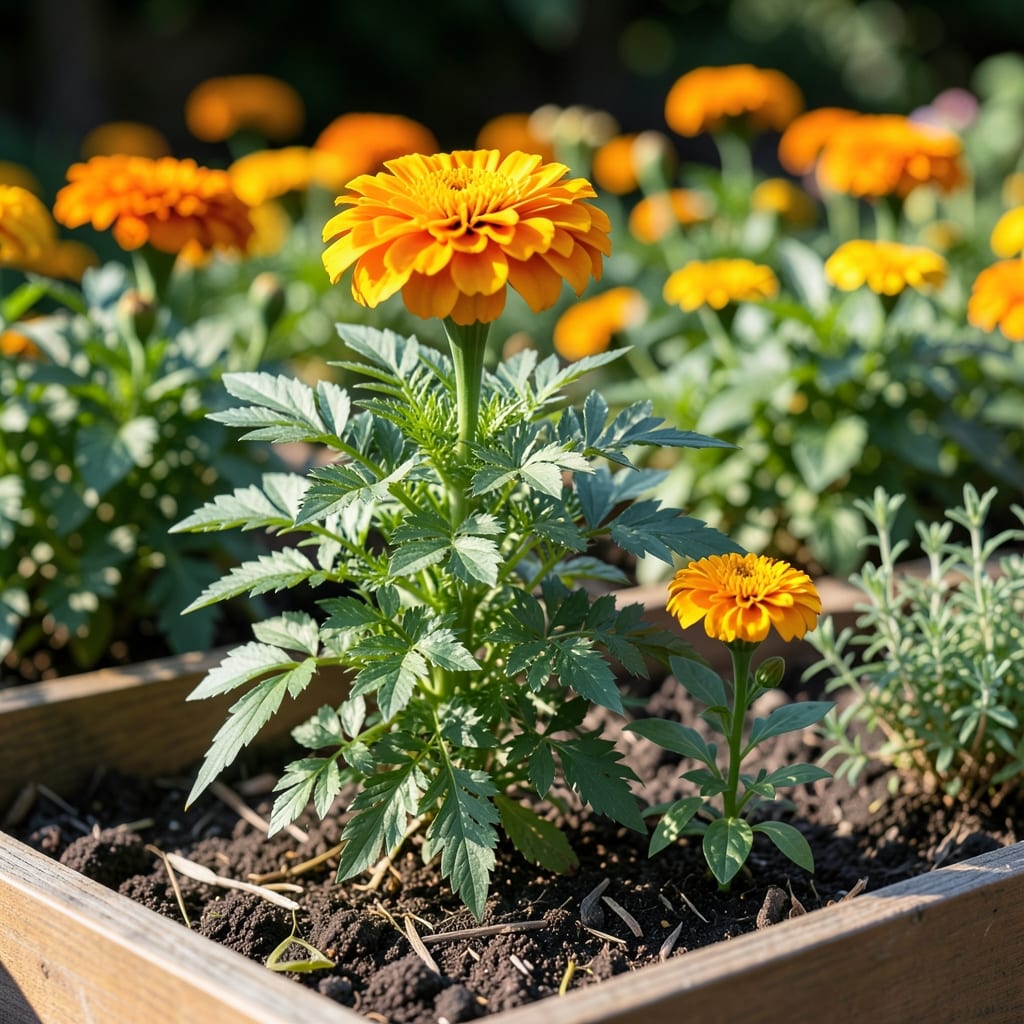
If you’ve ever wondered how tall can marigolds grow, the answer might surprise you—these cheerful 🌼 flowers can range from tiny container-friendly plants to towering giants that rival sunflowers in your backyard. The key difference? Variety matters more than you think.
Dwarf marigolds stay under 12 inches, perfect for window boxes and small pots, while African marigolds can stretch up to 4 feet or more, making them ideal for borders or back-of-the-bed planting. But height isn’t just about the type—sunlight, soil, and even pruning play a role in whether your marigolds will stay compact or reach for the sky.
In this guide, I’ll break down the height ranges of popular marigold types, share tips for managing their growth, and help you pick the perfect variety for your garden space—whether you want a low hedge or a dramatic backdrop. Let’s dive in!
Ready to plan your marigold layout? You’ll learn how to choose the right size for containers, borders, or even as a living mulch. The best part? With the right care, you can control their height and keep your garden looking polished all season long.


Marigold height ranges: from dwarf to giant varieties explained
Marigolds aren’t one-size-fits-all—some varieties stay tiny enough for window boxes, while others grow tall enough to anchor your garden’s back row. The three main marigold types (French, African, and dwarf) each have distinct height ranges that directly impact where you plant them. Let’s break down the height spectrum so you can pick the perfect marigolds for your space.
First, the dwarf marigolds (like Tagetes patula) top out at 6–12 inches, making them ideal for containers, hanging baskets, or edging. These compact beauties thrive in small pots and even window boxes, offering vibrant color without taking up much room. Their bushy growth habit also makes them perfect for living mulch around vegetables.
Next, French marigolds (e.g., Tagetes tenella) reach 12–24 inches at maturity, striking a balance between height and manageability. They’re versatile enough for border planting or as a mid-height accent in flowerbeds. Their slightly taller stature lets them peek over shorter plants while still fitting neatly into most garden designs.
Now, here’s where things get dramatic: African marigolds (like Tagetes erecta) can soar to 24–48 inches or even taller in ideal conditions. These giants make stunning backdrop plants and can rival sunflowers in height. Their thick stems and large, showy blooms command attention, making them perfect for cut flower arrangements too.
Pro tip: If you’re short on space, French marigolds are my go-to for borders—they fill gaps beautifully without overwhelming smaller plants. For containers, mix dwarf varieties with trailing plants like Lobularia maritima (sweet alyssum) for a cascading effect.
But here’s the catch: African marigolds can grow even taller than listed if given rich soil and full sun. In my Zone 7a garden, some Tagetes erecta varieties have hit 4 feet by midsummer. If you’re using them as a privacy screen or backdrop, give them extra space—they’ll reward you with bold, long-lasting blooms.
Need a height compromise? Try ‘Janie’ or ‘Durango’ marigolds, which max out around 20–24 inches but pack the punch of their taller cousins. These semi-dwarf varieties are perfect for mixed borders where you want height without sacrificing front-row visibility.
Remember, height isn’t set in stone—pruning and sunlight can tweak growth. I’ll cover those tricks in the next section, but for now, pick your marigolds based on where they’ll shine best in your garden layout. Whether you love low-and-sweet or tall-and-proud, there’s a marigold for every space!
🌼
How to choose marigold varieties based on garden space
Now that you know marigold height ranges, the next step is matching them to your garden’s layout. The right variety can transform a cramped patio into a vibrant display or turn a sprawling backyard into a structured, layered masterpiece. Let’s explore how to select marigolds by space, from tiny containers to bold backdrops, so every plant gets the room it needs to thrive.
For containers and small spaces, dwarf marigolds (like ‘Bonanza’ or ‘Tangerine’) are my top picks—they stay under 12 inches and fit snugly in 6-inch pots. Pair them with Lobularia maritima (sweet alyssum) for a spiller-and-thriller combo that cascades beautifully. These compact varieties also work as window box edging, adding pops of color without overwhelming your view.
🌱
- 🪴 Containers/Pots: Use dwarf marigolds (6–12") in 6–8" pots with trailing companions like sweet alyssum.
- 🌿 Borders/Edges: French marigolds (12–24") create neat, colorful borders with 12–18" spacing between plants.
- 🌳 Backdrops/Hedges: African marigolds (24–48") thrive as privacy screens or cut flower backdrops with 18–24" spacing.
- 🌱 Mixed Beds: Combine semi-dwarf varieties (20–24") with tall perennials like Echinacea for layered depth.
- 🥬 Vegetable Gardens: Plant dwarf marigolds around tomatoes/peppers as living mulch to deter pests naturally.
If you’re designing a border or mixed bed, French marigolds (like ‘Queen Sophia’) are the workhorses of the garden. Their 12–24-inch height lets them peek over shorter plants while keeping the front row visible. Space them 12–18 inches apart for a dense, uniform look—perfect for framing pathways or softening fence lines.
For dramatic backdrops, African marigolds steal the show. Varieties like ‘Crackerjack’ or ‘Tall Orange’ can reach 3–4 feet in ideal conditions, making them ideal for cut flower gardens or privacy hedges. Give them 18–24 inches of space to avoid overcrowding, which can stunt their growth or encourage leggy stems.
Pro tip: Semi-dwarf varieties (like ‘Janie’) bridge the gap between borders and backdrops. At 20–24 inches, they’re tall enough to anchor a bed but short enough to avoid blocking smaller plants. I love using them in pollinator gardens alongside Rudbeckia or Coneflower for a textured, layered effect.
🌼 For vegetable gardens, dwarf marigolds are a game-changer. Plant them around tomatoes, peppers, or cucumbers as a natural pest deterrent. Their strong scent repels nematodes and aphids, while their low height keeps them from competing with your crops. Plus, their bright blooms add visual interest without taking up valuable growing space.
Remember: height isn’t the only factor—consider bloom time and color too. For example, African marigolds bloom later in the season, making them great for fall gardens, while French varieties offer longer flowering periods in summer. Mix and match for year-round color!