
Trees
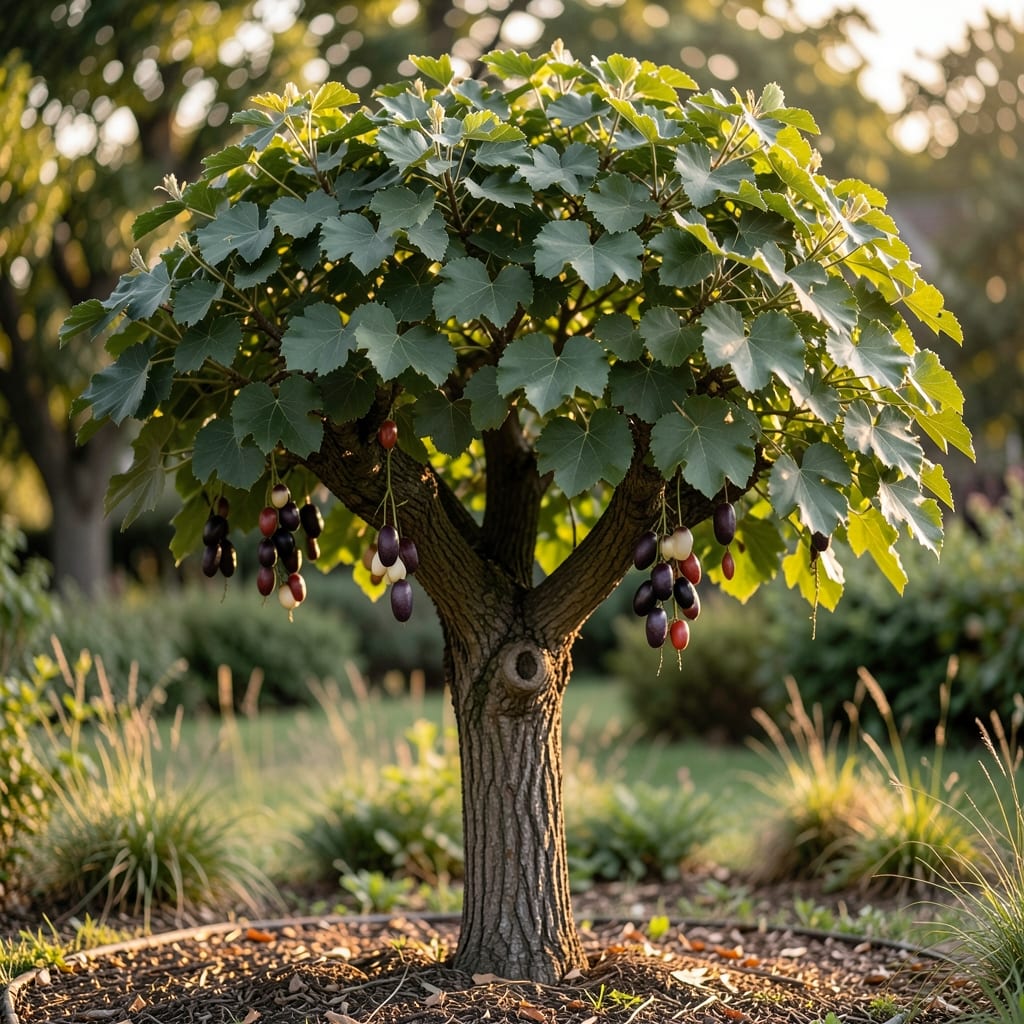
Wondering how tall can mulberry trees grow before they become unmanageable for your backyard? The answer might surprise you—some varieties reach 80 feet like a skyscraper, while others stay neatly under 10 feet, perfect for small gardens. If you're torn between a towering shade provider or a compact fruit producer, knowing the differences is key to making the right choice.
Mulberry trees come in a stunning range of sizes, from dwarf varieties that fit cozy yards to massive specimens that dominate landscapes. Whether you're in USDA Zone 6a or a warmer climate, the right species can transform your space—just be prepared for the commitment. Planting in spring (April-May) gives them the best start, but their eventual height depends on more than just time.
Factors like pruning, soil quality, and sunlight exposure play a huge role in controlling their growth. A well-maintained mulberry can stay smaller for years, while neglected trees may sprawl beyond your expectations. If you're dreaming of fresh berries without the 60-foot headache, we'll break down the best options for your space.
Let’s explore the height variations by species, how to pick the perfect tree for your yard, and simple pruning tips to keep them in check. By the end, you’ll know exactly which mulberry fits your vision—whether it’s a 🌳 giant or a manageable backyard staple.


Mulberry tree height by variety: from dwarf to giant species
Mulberry trees are famous for their dramatic height variations, ranging from dwarf varieties under 10 feet to giant specimens topping 80 feet. The species you choose will determine whether your tree becomes a backyard giant or a compact fruit producer. Let’s break down the most common types and their mature heights to help you plan your space wisely.
First, the white mulberry (Morus alba) is the most widely grown species in North America, with mature heights typically between 40 to 60 feet. This variety is hardy, fast-growing, and perfect for large landscapes where shade is the priority. Its berries are prized by birds and humans alike, but its size means it’s not ideal for small yards.
The black mulberry (Morus nigra) is a European native that also reaches impressive heights, usually 50 to 70 feet. Known for its sweeter, larger berries, this tree is a favorite among fruit enthusiasts but requires ample space. Its deep roots and sprawling branches make it a statement piece rather than a backyard staple.
| Variety | Mature Height | Growth Rate | Best For |
|---|---|---|---|
| Dwarf White Mulberry | 10–15 ft | Slow to moderate | Small gardens, containers |
| Standard White Mulberry | 40–60 ft | Fast | Large yards, shade trees |
| Black Mulberry | 50–70 ft | Moderate | Fruit production, landscapes |
| Red Mulberry | 30–50 ft | Moderate | Wildlife habitats, medium spaces |
| Illinois Everbearing Mulberry | 20–30 ft | Moderate | Urban gardens, fruit production |
The red mulberry (Morus rubra) is native to North America and typically grows to 30 to 50 feet, making it a more manageable option for medium-sized yards. Its berries are smaller but highly flavorful, and it’s a favorite among wildlife, including birds and deer. This variety is also more drought-tolerant than its white or black counterparts.
If you’re working with limited space, consider the Illinois Everbearing Mulberry, a hybrid variety that stays between 20 to 30 feet tall. It’s a great choice for urban gardens or small backyards because it produces fruit reliably without becoming unruly. Its compact size also makes it easier to prune and maintain.
For the smallest options, look for dwarf varieties of white mulberry, which can be kept under 10 to 15 feet with proper pruning. These are often grafted onto dwarfing rootstock and are perfect for containers or small patios. Just be aware that even dwarf varieties will grow taller over time if not pruned regularly.
Climate also plays a role in height. In warmer climates (Zones 8–10), mulberry trees tend to grow faster and taller due to longer growing seasons. In cooler climates (Zones 5–7), growth may be slower, but with proper care, they can still reach their full potential. Always check your local USDA zone and microclimate conditions before planting.
Finally, remember that pruning and training can significantly influence a mulberry tree’s height. Even standard varieties can be kept smaller with consistent care, while neglected trees may grow unchecked. If you’re unsure about long-term height, start with a dwarf or semi-dwarf variety and monitor its growth annually.
How to choose the right mulberry tree for your space
Selecting the perfect mulberry tree depends on your yard size, climate zone, and whether you prioritize fruit production or ornamental value. With heights ranging from 10 feet to 80 feet, picking the wrong variety can turn your dream tree into an unmanageable giant. Let’s walk through the key factors to consider before planting.
First, measure your available space. A standard white mulberry or black mulberry needs at least 50 feet of clearance in all directions due to their sprawling branches. For smaller yards, opt for the Illinois Everbearing Mulberry (20–30 ft) or dwarf white mulberry (10–15 ft). Always account for root spread, which can extend up to 3 times the canopy width.
Next, consider your climate zone. Mulberries thrive in USDA Zones 5–9, but growth rates vary. In warmer zones (8–10), trees grow faster and taller, while cooler zones (5–7) may see slower, more controlled growth. If you’re in a windy or coastal area, choose a red mulberry, which is more resilient to harsh conditions.
🌳 Pros & Cons: Mulberry Varieties by Space Needs
- ✅ Pros: Fits containers, low maintenance
- ❌ Cons: Limited fruit yield
- ✅ Pros: Reliable fruit, urban-friendly
- ❌ Cons: Needs pruning to stay compact
- ✅ Pros: Fast shade, hardy
- ❌ Cons: Overwhelms small spaces
- ✅ Pros: Sweetest berries, wildlife magnet
- ❌ Cons: Aggressive roots, needs space
For fruit production, the black mulberry and Illinois Everbearing are top picks, but they require space. If you want berries in a container, dwarf varieties work—but expect smaller harvests. Ornamental gardeners often choose red mulberry for its striking fall foliage and wildlife benefits, even if it’s not the most productive.
Don’t forget about neighborly considerations. Mulberries produce messy berries that stain sidewalks and attract birds. If you’re in a suburban area, plant near a hardscape or fence to contain the fallout. For rural properties, the mess is part of the charm—just be prepared for wildlife visitors!
Finally, assess your long-term commitment. Mulberries are long-lived trees, with some varieties lasting 100+ years. If you’re unsure about their height, start with a semi-dwarf variety and prune annually to train its shape. With the right choice, your mulberry can be both a functional and beautiful addition to your landscape for decades.