
Trees
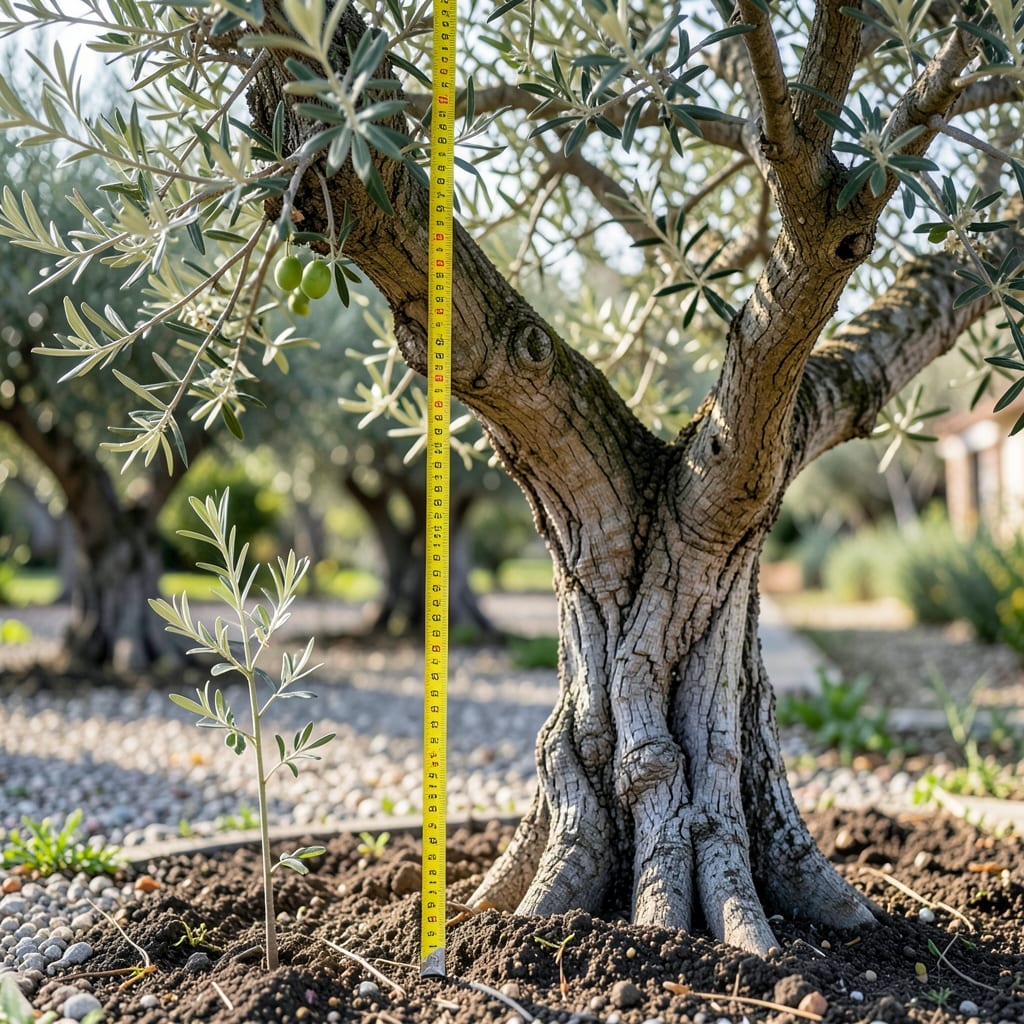
Olive tree height by variety: dwarf to 50-Foot giants explained
Olive trees are legendary for their longevity and striking height, but their mature size varies wildly depending on the variety and growing conditions. In the wild, Olea europaea can reach 50+ feet—taller than a 3-story building! Yet, with the right selection and care, you can grow olives in pots or small gardens. The key lies in choosing the right cultivar for your space and climate.
Most gardeners assume all olive trees grow tall, but dwarf varieties exist that stay under 6 feet even at maturity. These compact types are perfect for containers, urban patios, or Mediterranean-style landscapes. Meanwhile, standard varieties thrive in rural settings, where they can develop their full ancient, gnarled stature over decades. Let’s explore the spectrum from patio-friendly dwarfs to towering giants.
🌱 Did You Know?
Here’s a breakdown of popular olive tree varieties and their mature heights, along with ideal growing conditions and growth rates:
| Variety | Mature Height | Growth Rate | Ideal Climate | Best For |
|---|---|---|---|---|
| Arbequina | 8–12 ft | Slow (1–2 ft/year) | Zones 8–10 | Containers, small gardens |
| Frantoio | 25–40 ft | Moderate (2–3 ft/year) | Zones 7–10 | Rural landscapes, olive oil production |
| Leccino | 30–50 ft | Fast (3–4 ft/year) | Zones 7–10 | Large properties, Mediterranean climates |
| Mission | 15–25 ft | Moderate (2 ft/year) | Zones 7–10 | Urban gardens, dual-purpose (table olives) |
| Manzanillo | 20–30 ft | Moderate (2–3 ft/year) | Zones 7–10 | Cold-hardy, dual-purpose |
If you’re dreaming of a patio olive tree, Arbequina is the top pick—it stays under 10 feet and thrives in 5-gallon containers. For a dramatic focal point, Leccino or Frantoio will deliver that ancient Mediterranean vibe with heights of 30–50 feet. Even in cooler zones (like Zone 7), varieties like Mission or Manzanillo tolerate temperatures down to 15°F while still reaching 20+ feet.
Pro tip: Dwarf varieties often produce fruit earlier (as young
How to control olive tree height: pruning, training & space-saving hacks
Managing olive tree height isn’t just about aesthetics—it’s about health, fruit production, and space efficiency. Whether you’re growing a patio-sized Arbequina or a towering Leccino, strategic pruning and training can keep your tree at your desired height while encouraging abundant harvests. The key is understanding when to prune, how much to remove, and which techniques work best for your goals.
Olive trees are naturally slow-growing, but without guidance, even dwarf varieties can outgrow their space. I’ve learned that pruning in late winter (just before new growth starts) is ideal—this prevents disease spread and encourages strong spring regrowth. For container-grown trees, I limit pruning to 1/3 of the canopy annually to avoid stress. Over-pruning can weaken the tree and reduce olive production, so always aim for balanced cuts.
💡 Pro Tip:
- Step 1: Use sharp, sterilized shears to make clean cuts at a 45-degree angle just above a bud or branch collar.
- Step 2: Remove dead, crossing, or inward-growing branches first to improve airflow and sunlight penetration.
- Step 3: For height control, focus on upper branches—cut back the longest stems to encourage bushier growth.
If you’re working with limited space, espalier training is a game-changer. This ancient technique involves tying branches horizontally along a fence, wall, or trellis to create a flat, decorative shape. I’ve used espalier with Mission olive trees in my urban backyard, keeping them under 8 feet while still producing hundreds of olives annually. The best time to start training is when the tree is 2–3 years old, using flexible ties to guide new growth.
For container-grown olives, regular pruning is non-negotiable. Without it, even dwarf varieties like Arbequina can become top-heavy and unstable. I recommend root pruning every 2–3 years to prevent the roots from circling the pot. This involves gently trimming the outer roots and repotting into a slightly larger container with fresh, well-draining soil. Pair this with annual crown thinning to maintain an open center and improve light penetration to lower branches.
One common mistake I see is pruning too late in the season, which can stimulate tender new growth that’s vulnerable to frost. Always finish pruning by early summer to avoid this risk. For cold-hardy varieties like Manzanillo, I also recommend winter pruning to remove any frost-damaged branches before spring growth begins. This keeps the tree healthy and encourages robust regrowth.
For a low-maintenance approach, consider pollarding—a dramatic pruning method where you cut back the entire tree to a stub every few years. This forces the tree to send out multiple strong shoots from the base, creating a bushy, multi-stemmed shape. While it sounds extreme, pollarded olive trees often live for centuries and produce fruit more reliably. I’ve seen pollarded trees in Mediterranean groves that are 100+ years old but still under 10 feet tall.