
How To
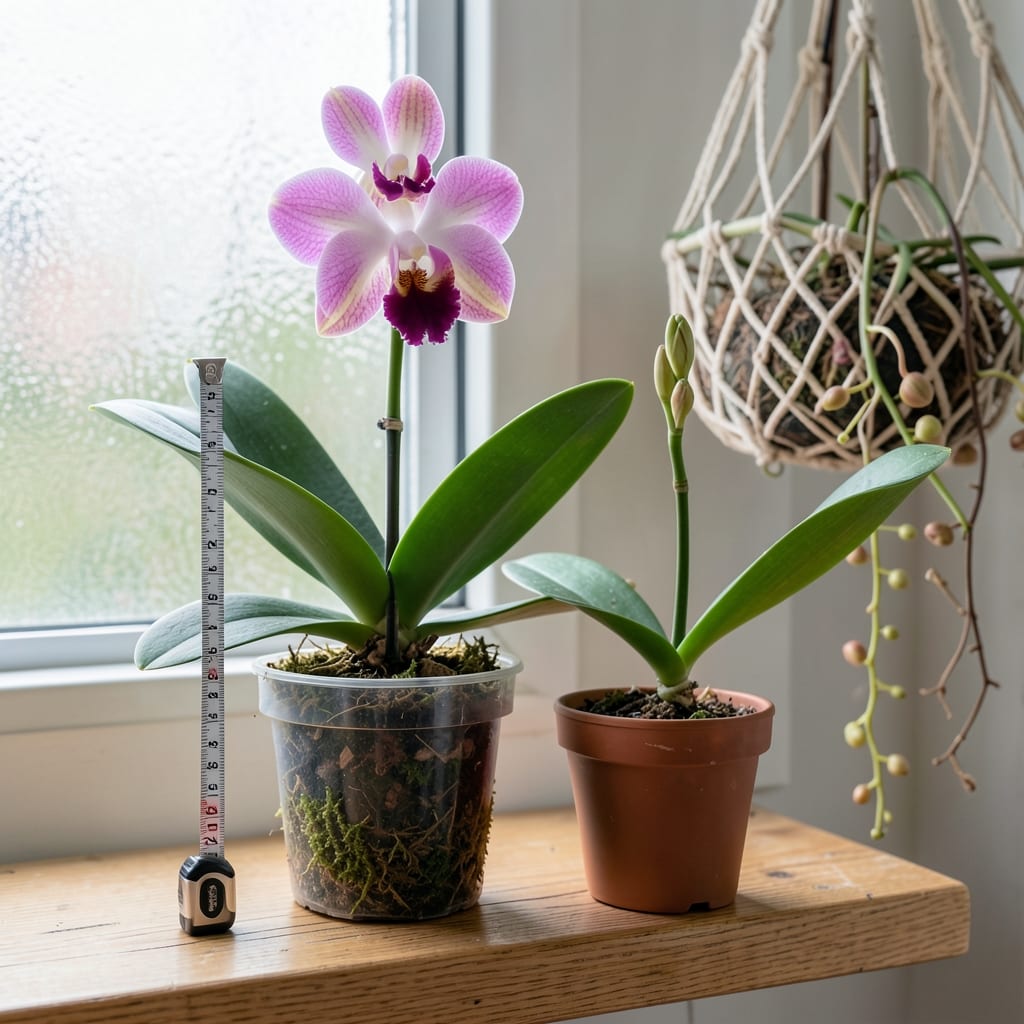
If you’ve ever wondered just how tall your delicate 🌸 orchid could grow, the answer might surprise you—some varieties stretch to 12 feet or more, while others stay compact enough to perch on a shelf. The height of your orchid isn’t just about luck; it’s a mix of species, care, and even where you live.
Picture this: a Phalaenopsis orchid, the kind you often see in grocery stores, typically grows 1-3 feet tall, while a Vanda orchid can climb like a jungle vine, reaching towering heights with the right support. Whether you’re dealing with a tiny Jewel orchid or a sprawling Cattleya, understanding these differences is the key to nurturing the perfect plant for your space.
But here’s the thing—height isn’t just about aesthetics. The way you care for your orchid, from light exposure to pruning, can either encourage it to reach for the sky or keep it manageable for your home. I’ll break down the science behind orchid growth and share practical tips to help you grow the ideal height for your setup, whether you’re working with a 6a zone climate or a cozy indoor garden.
Ready to discover which orchids will thrive in your space and how to give them the best chance to grow? Let’s dive into the world of orchid heights and find out how to make the most of your spring planting season—no matter how tall (or short) you want your 🌸 orchid to be.


Orchid height ranges by type: from dwarf to 12-Foot giants
Orchids aren’t one-size-fits-all—some stay small enough for a windowsill, while others grow like jungle vines reaching for the sky. The height range of orchids depends entirely on their species, with miniature varieties staying under 6 inches and giant climbers stretching up to 12 feet or more. If you’re dreaming of a floor-to-ceiling orchid display or just want a compact plant for your desk, knowing these categories will help you pick the perfect fit for your space.
Most beginner orchid growers start with Phalaenopsis or Dendrobium varieties, which typically max out around 2-3 feet. But if you’re ready to experiment, some orchids like Vandas or Cattleyas can become stunning vertical features in your home. The key is understanding which types thrive in your conditions—whether that’s a bright indoor window or a humid greenhouse.
| Orchid Type | Height Range | Growth Habit | Best For |
|---|---|---|---|
| Miniature Orchids (e.g., Jewel Orchids) | 3–6 inches | Compact, rosette-forming | Desk plants, terrariums |
| Phalaenopsis (Moth Orchid) | 1–3 feet | Upright, bushy | Indoor pots, hanging baskets |
| Dendrobium (Stem Orchid) | 1–4 feet | Vertical, cane-like stems | Vertical gardens, trellises |
| Cattleya (Cattleya Orchid) | 2–6 feet | Climbing, pseudobulb-based | Wall mounts, large pots |
| Vanda (Vanda Orchid) | 4–12+ feet | Epiphytic, aerial roots | Greenhouses, high-humidity spaces |
| Oncidium (Dancing Lady Orchid) | 1–3 feet | Spreading, pleated leaves | Hanging baskets, shelves |
If you’re working with limited space, miniature orchids like Jewel orchids (Ludisia) are perfect for shelves or terrariums. These tiny plants rarely exceed 6 inches and thrive in bright, indirect light—ideal for USDA Zone 6a indoor gardens. On the other hand, if you’re aiming for drama, Vandas and Cattleyas are the stars of the show, often requiring trellises or moss poles to reach their full 6-12-foot potential.
One common misconception is that all orchids grow tall. In reality, Phalaenopsis and Oncidium are among the most popular compact varieties, making them great for beginners. Meanwhile, Dendrobium and Cymbidium can grow surprisingly tall—up to 5 feet—if given the right support and care. The secret? Light exposure and pruning habits play a huge role in controlling height.
For example, Dendrobium orchids produce long, leafless canes that can stretch 3-4 feet in a single season if left unpruned. But with strategic pruning after flowering, you can encourage bushier growth and keep them more manageable. Similarly, Cattleyas grow on pseudobulbs that store water and nutrients, allowing them to reach impressive heights over time—especially in humid climates.
If you’re growing orchids outdoors in Zone 6a, species like Cymbidium can become perennial giants, often blooming in spring and reaching 3-5 feet tall. These hardy orchids love cooler temperatures and can even survive light frosts, making them a great choice for outdoor gardens in milder regions. Just be sure to plant them in well-draining soil and provide partial shade during hot afternoons
Why some orchids grow tall: growth habits and environmental factors
Orchid height isn’t just about genetics—it’s a dance between natural growth habits and the environment you provide. Some orchids, like Vandas and Cattleyas, are hardwired to climb, using their aerial roots to latch onto trees or trellises in the wild. These species can stretch 10+ feet when given the right support, while others, like Phalaenopsis, grow upright but rarely exceed 3 feet without intervention. Understanding these inherent growth patterns is the first step to controlling—or encouraging—your orchid’s height.
The container size you choose plays a surprisingly big role. Orchids planted in large, shallow pots with orchid bark mix tend to grow taller as they search for stability, while smaller pots with firm root balls can stunt vertical growth. For example, a Dendrobium orchid in a 6-inch pot might only reach 2 feet, but the same plant in a 12-inch pot could easily double in height. The extra space gives roots room to spread, which triggers the plant to grow upward in search of light.
🌱 Why Orchids Grow Tall: Key Factors
- 1. Climbing Habits: Epiphytic orchids (like Vandas) naturally grow tall to reach sunlight in their native habitats.
- 2. Light Exposure: Insufficient light triggers etiolation—stretched, weak stems as the plant searches for sunlight.
- 3. Humidity Levels: High humidity (60%+) encourages faster, taller growth in species like Cattleyas.
- 4. Pruning Practices: Regular pruning of Dendrobium canes keeps height in check, while leaving them unpruned promotes vertical growth.
- 5. Container Size: Larger pots allow roots to spread, encouraging upward growth to access light.
Light is another critical factor—too little light leads to etiolation, where stems stretch unnaturally to reach sunlight, often resulting in weak, leggy growth. Place your orchid near an east-facing window for 4-6 hours of morning light, or use a grow light to prevent this. Conversely, direct midday sun can scorch leaves, stunting growth entirely. The sweet spot? Bright, indirect light that mimics the dappled sunlight orchids love in the wild.
Humidity also affects height—orchids like Cattleyas and Oncidiums thrive in 60-70% humidity, which encourages robust, upward growth. In dry indoor environments (like Zone 6a homes in winter), growth slows, and plants may stay shorter. A simple pebble tray or humidifier can make a world of difference. For tall orchids like Vandas, maintaining high humidity is essential—they can grow 2 feet per year in ideal conditions but barely budge in dry air.
Finally, don’t underestimate the power of pruning. Many orchids, like Dendrobium, produce long, leafless canes that can stretch 3-4 feet in a season. Pruning these canes after flowering encourages bushier growth and prevents them from becoming top-heavy. For Cattleyas, removing old pseudobulbs redirects energy to new growth, often resulting in taller, healthier plants. Even Phalaenopsis, which are naturally compact, benefit from heading back spent spikes to promote fuller, more upright growth.
If you’re growing orchids outdoors in Zone 6a, species like Cymbidium can become perennial giants with proper care. These orchids love cooler temperatures and can bloom in spring while reaching 3-5 feet tall. The trick? Plant them in well-draining soil and provide partial shade during hot afternoons to prevent stress. With the right balance of light, humidity, and pruning, even compact orchids can surprise you with their height—just don’t expect a Jewel orchid to suddenly reach for the ceiling! 🌿