
Flowers
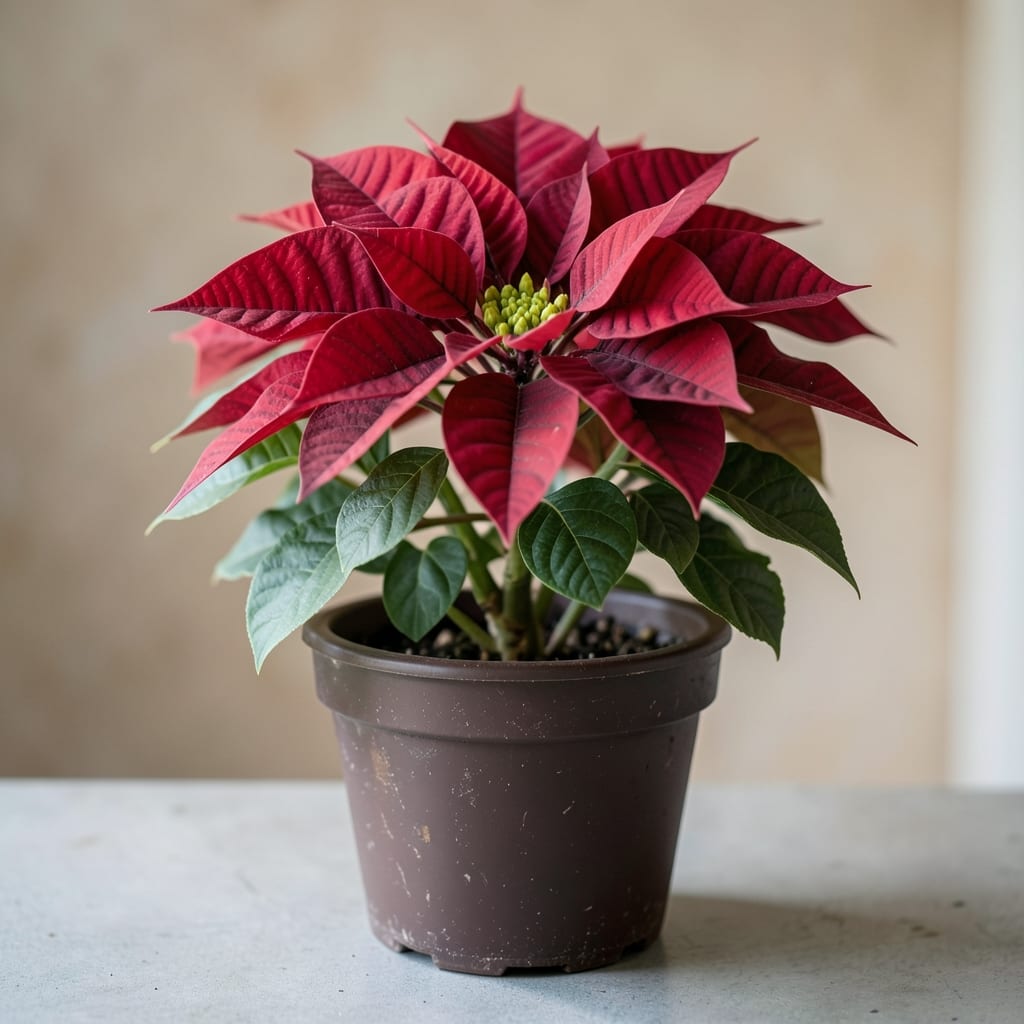
If you’ve ever wondered how tall can poinsettias grow, the answer might surprise you—these festive 🎄 plants can range from tiny tabletop companions to towering holiday statements, depending on the variety and care you provide.
Standard poinsettias often reach heights of 2 to 4 feet, but dwarf varieties like ‘Tiny Tim’ stay compact at just 12 to 18 inches, making them perfect for small spaces. Meanwhile, some premium or specialty types can stretch over 4 feet with the right conditions.
What you may not realize is that light exposure, pruning habits, and even the pot size play a huge role in determining how tall your poinsettia will grow. I’ll break down the key factors so you can control the height—whether you want a compact centerpiece or a dramatic towering display.
Let’s explore the secrets behind poinsettia growth, from choosing the right variety to the simple care tricks that keep them thriving year after year—no guesswork required.

Poinsettia height ranges: from dwarf to giant varieties explained
Poinsettias (Euphorbia pulcherrima) are famous for their vibrant holiday colors, but their height can vary wildly—from tiny tabletop plants to towering centerpieces. The key difference lies in the variety you choose, as well as how you care for it. Most home gardeners assume all poinsettias grow to the same size, but dwarf varieties stay under 2 feet, while standard types can reach 4 feet or taller.
Understanding these height ranges helps you pick the perfect poinsettia for your space. A 12-inch dwarf fits cozy apartments, while a 36-inch standard makes a bold statement in living rooms. Even light exposure and pruning can adjust growth by 10–20%, so let’s break down what to expect from each type.
If you’re shopping for a compact poinsettia, look for labels like "Tiny Tim" or "Winter Rose." These stay under 18 inches and thrive in tight spots like bookshelves or mantels. On the other hand, towering varieties like "Premier Red" can surpass 4 feet with proper care, making them ideal for holiday centerpieces or as standalone statement plants.
One common misconception is that all poinsettias grow to the same height. In reality, genetics play 70% of the role, while care (like light and pruning) accounts for the rest. For example, a standard variety left unpruned in low light might only reach 2 feet, while the same plant with bright indirect light and regular pinching could hit 3.5 feet.
For first-time growers, I recommend starting with a semi-dwarf variety. They’re forgiving, fit most decor, and still offer the classic poinsettia look without the space commitment. Plus, their 20–24 inch height pairs perfectly with holiday tablescapes or as a gift-topper.
If you’re aiming for a taller poinsettia, focus on light exposure and pruning. Place your plant near an east-facing window for gentle morning sun, and pinch back the tips of new growth in late spring to encourage bushier, taller stems. Avoid direct sunlight, though—it can scorch the leaves and stunt growth.
Another pro tip: Container size matters. A 12-inch pot will limit root growth, capping height at 2–3 feet, while a 16-inch pot gives towering varieties room to reach their full 4-foot potential. Always choose a pot 2–3 inches larger than the plant’s current root ball for optimal growth.
Finally, don’t forget that height isn’t the only factor—leaf color and bloom size also vary by variety. For example, "Freedom Series" poinsettias (like "Freedom Red") grow 24–36 inches tall but boast larger, bolder bracts than dwarf types. If you love dramatic foliage, prioritize height and leaf size when selecting your plant.
🎄 Whether you’re gifting a tiny tabletop poinsettia or showcasing a 4-foot holiday giant, knowing your variety’s growth potential ensures your plant thrives—and your space stays stylish.
What determines poinsettia height? Light, pruning, and variety secrets
You’ve picked the perfect poinsettia variety—now what? The real magic happens in how you care for it, because light exposure and pruning techniques can push your plant from a 2-foot tabletop buddy to a 4-foot holiday showstopper. Unlike many plants, poinsettias respond dramatically to these factors, making them surprisingly adaptable once you know the tricks.
Let’s start with light, the single biggest influencer on height. Poinsettias thrive in bright indirect light, but too little light stunts growth while too much direct sun can scorch leaves and weaken stems. Place your plant within 3 feet of an east-facing window for ideal morning light, or use a grow light for 12–14 hours daily if natural light is limited. Without enough light, even a towering variety might only reach half its potential height.
Next up: pruning, the secret weapon for controlling height. Most gardeners skip this step, but strategic pruning can double your poinsettia’s height potential. Start by pinching back the tips of new growth in late spring (around April). This encourages the plant to branch out, creating a fuller, taller structure by fall. For taller varieties, prune less aggressively—just snip the top set of leaves to promote vertical growth.
Timing is everything. If you prune too early (before March), your poinsettia may not have enough time to recover and grow tall enough for the holidays. Conversely, waiting until summer limits height gains. Aim for April–May for best results—this gives your plant 4–5 months to respond before blooming season.
Don’t overlook container size, either. A small pot restricts root growth, capping height at 2–3 feet, while a large pot (16+ inches) allows towering varieties to reach 4 feet or more. Always choose a pot with drainage holes to prevent root rot, which can stunt growth and weaken stems.
Finally, fertilizer plays a subtle but critical role. Use a balanced, low-nitrogen fertilizer (like 5-10-5) in early fall to encourage blooming and height. Skip fertilizing in winter, as poinsettias enter a natural dormancy period. Over-fertilizing in spring or summer can lead to leafy but leggy growth, reducing height potential.
🌱 Pro tip: Combine these techniques for maximum height control. Place your towering variety in a large pot, give it bright indirect light, and prune in late spring—you’ll be amazed at how much taller it grows by December!