
Succulent
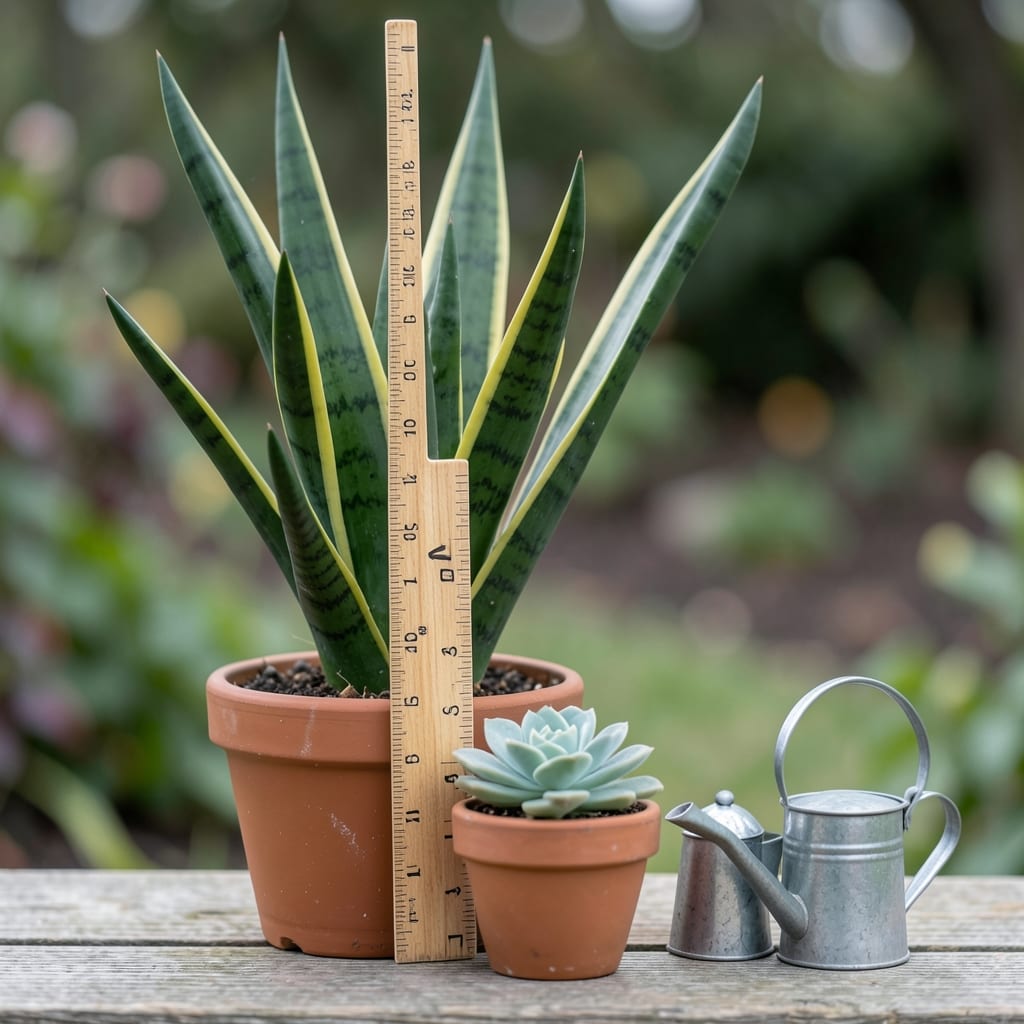
If you’ve ever wondered how tall can succulents grow, the answer might surprise you—these desert darlings range from tiny teacups to towering trees. Some stay cozy at just a few inches, while others stretch toward the sky like 🌵 skyscrapers. Whether you’re dreaming of a miniature garden or a dramatic statement plant, understanding their growth potential is key to keeping them happy and healthy.
The truth is, succulent height depends on the species, care, and a little bit of patience. A low-growing Echeveria might never top 1 foot, while an Agave could reach 10 feet or more with the right conditions. Sunlight, pot size, and even your watering habits all play a role in shaping their final stature.
But here’s the best part: you can influence their growth to fit your space. Need a compact plant for a windowsill? We’ll show you how. Want a dramatic centerpiece that steals the show? We’ve got tips for that too. Let’s break down the science—and the secrets—behind these fascinating plants.
From dwarf varieties that fit in your palm to giants that rival small trees, succulents offer endless possibilities. Ready to discover how to nurture them to their full potential? Let’s dive in.

Succulent height ranges: from teaspoon-sized to tree-like giants
Succulents come in every size imaginable, from thumb-sized wonders to 10-foot-tall giants. Their height isn’t just about aesthetics—it’s tied to their natural habitat, growth habits, and how you care for them. Some species, like Haworthia, stay under 6 inches their entire lives, while others, like Agave americana, can reach heights of 10 feet or more in ideal conditions.
The key to understanding succulent height lies in their genetics and environment. A dwarf succulent like Echeveria will rarely exceed 1 foot, no matter how much sunlight you give it, while a tree-like succulent like Aloe brevifolia can grow 6-8 feet tall with proper care. Even within the same species, individual plants can vary by 20-30% in height due to factors like pot size, sunlight exposure, and watering habits.
Here’s how succulents typically break down by size category, along with real-world examples to help you visualize their potential:
If you’re growing succulents in containers, their height will naturally be limited by pot size. A 3-inch pot might keep a Sedum under 1 foot, while a 20-gallon planter could encourage an Agave to reach its full 10-foot potential. Always leave 1–2 inches of space between the plant and the pot’s rim to avoid root binding, which stunts growth.
Sunlight is another critical factor. Succulents like Aloe or Agave thrive in full sun (6+ hours daily) and grow taller when exposed to bright light. In contrast, shade-loving varieties like Haworthia or Gasteria stay compact because they’re adapted to lower light conditions. A common mistake is assuming all succulents love sun—they don’t! Too much direct sun can scorch leaves, while too little leads to leggy, stretched growth.
Watering habits also play a surprising role in height. Overwatering causes succulents to stretch and weaken as they search for moisture, while underwatering in hot climates can stunt growth. The key is to water deeply but infrequently, allowing the soil to dry out completely between waterings. For example, a desert Agave in a hot, dry climate might grow 2 feet taller per year, while the same plant in a humid, shady spot could barely reach 6 inches annually.
Temperature and humidity further influence height. Most succulents thrive in USDA Zones 9–11, where warm days and cool nights encourage steady growth. In colder zones (like Zone 5–8), succulents often grow slower or remain dwarfed unless you bring them indoors during winter. Even indoor succulents can vary in height—those near south-facing windows often grow 30% taller than those tucked in a dim corner.
Pro tip: If you’re growing succulents for aesthetic displays, choose varieties with predictable growth habits.
Fastest-growing succulents that can outpace your expectations
Not all succulents grow at a snail’s pace—some are growth machines, shooting up 1–2 feet per year under the right conditions. If you’re dreaming of a tall, dramatic succulent without waiting decades, these fast-growing varieties are your best bet. They’ll reward your patience (and proper care) with impressive height gains, often reaching maturity in half the time of slower growers.
The secret to their rapid growth? Most originate from arid, sunny climates where they’ve evolved to soak up sunlight and store water efficiently. With 6+ hours of direct light, well-draining soil, and minimal interference, these succulents can double in height every few years. For example, an Aloe arborescens might start as a 6-inch pup and become a 6-foot-tall tree in just 5–7 years.
Here are the top 5 fastest-growing succulents and how to encourage their vertical ambitions:
- 1 Aloe arborescens ("Tree Aloe") – Grows 1–2 ft/year in ideal conditions, reaching 8–10 ft in 10 years. Thrives in full sun and well-draining soil. Prune lower leaves to encourage upward growth.
- 2 Agave americana ("Century Plant") – Can grow 1–1.5 ft/year, hitting 6–10 ft in 15–20 years. Loves hot, dry climates and minimal water. Avoid overwatering, which causes rot and stunts growth.
- 3 Kalanchoe beharensis ("Panda Plant") – Grows 6–12 inches/year, reaching 3–4 ft in 5 years. Its felt-like leaves make it a standout. Place in bright, indirect light to prevent leaf scorch.
- 4 Beaucarnea recurvata ("Ponytail Palm") – Grows 1–1.5 ft/year, storing water in its thick trunk to reach 6–10 ft in 10–15 years. Drought-tolerant but benefits from occasional deep watering.
- 5 Yucca elephantipes ("Spineless Yucca") – Grows 1–2 ft/year, reaching 10+ ft in 10–12 years. Prefers full sun and sandy soil. Prune dead leaves to maintain a clean, upright form.
To maximize their growth, focus on three critical factors: sunlight, soil, and spacing. Place these succulents in south-facing windows or under grow lights (12–14 hours/day) to fuel rapid vertical growth. Use fast-draining soil mixes (like cactus/succulent blends) to prevent root rot, which can halt growth overnight.
Pot size matters too—root-bound plants grow taller faster because they’re forced to stretch upward. Repot into a slightly larger container (1–2 inches wider) every 2–3 years to accommodate their expanding roots. For example, an Agave americana in a 5-gallon pot will grow 20% faster than one in a 1-gallon pot.
Pro tip: If you’re growing these succulents outdoors in colder climates, bring them indoors before temperatures drop below 50°F. Cold slows growth dramatically—some varieties like Yucca can halt entirely in winter, only resuming growth in spring. A heat mat (70–75°F) during winter can trick them into growing year-round!
Watch for leggy growth, a sign your succulent is stretching toward light. This happens when they don’t get enough bright, direct sunlight. Rotate pots weekly to ensure even growth, and consider supplementing with a T5 grow light if natural light is limited. With the right care, these fast growers will surpass your expectations—and your neighbors’ envy. 🌵