
Succulent
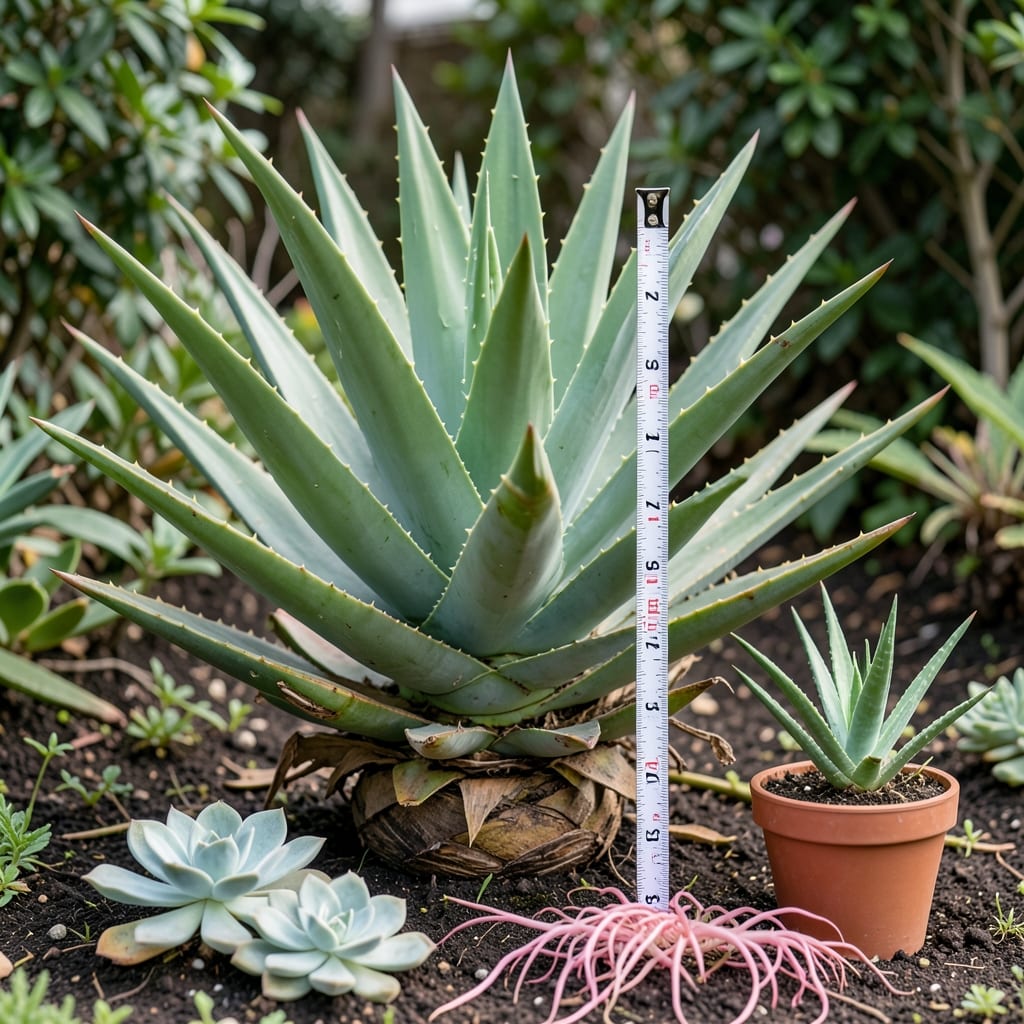
If you’ve ever wondered how tall can a succulent grow, the answer might surprise you—some stay tiny enough for a desk, while others stretch taller than a basketball hoop! Whether you’re dreaming of a windowsill garden or a dramatic desert-inspired display, knowing your succulent’s potential height is the first step to creating the perfect setup.
Succulents like the delicate 🌵 Echeveria might top out at just a few inches, making them ideal for shelves or terrariums. On the other end, varieties like Agave or Beaucarnea can soar to heights of 10 feet or more, turning your garden into a stunning vertical feature. The key? Understanding which species thrive in your space—and how to nurture them to reach their full potential.
But height isn’t just about the plant—it’s also about where you grow it. Indoor conditions can stunt growth, while outdoor sunlight and soil can encourage dramatic expansion. I’ll break down the factors that shape your succulent’s size, from genetics to care habits, so you can choose (or train) the perfect plant for your home.
Ready to transform your space with the right succulent? Let’s explore how to pick, grow, and even control the height of these versatile plants—whether you want a tiny centerpiece or a towering statement piece.


Succulent height ranges by variety: from tiny to towering
Succulents offer a stunning range of heights, from miniature desk plants to towering desert giants. The variety you choose directly impacts your space planning—whether you’re designing a windowsill garden or a sunny patio display. Let’s explore the three main height categories and the best-suited species for each.
For dwarf succulents, think of Echeveria or Haworthia, which stay between 1-6 inches tall. These are perfect for terrariums, shelves, or even as air plant companions. Their compact size makes them ideal for indoor growers with limited space, though they still thrive outdoors in well-draining soil.
Medium-height succulents like Jade Plants (Crassula ovata) or Aloe Vera typically reach 6-18 inches at maturity. These versatile plants work beautifully in hanging baskets or as centerpieces on tables. They’re also great for beginner gardeners because they tolerate bright indirect light and occasional neglect.
Now, if you’re dreaming of a dramatic vertical statement, tall succulents like Agave or Beaucarnea (Ponytail Palm) can grow 10 feet or taller. These giants need outdoor spaces with full sun exposure and room to spread. Their striking shapes make them perfect for desert landscapes or as focal points in large containers.
Here’s a quick reference to help you visualize the differences:
| Height Category | Examples | Ideal Space | Sunlight Needs |
|---|---|---|---|
| Dwarf (1-6") | Echeveria, Haworthia, Lithops | Shelves, terrariums, windowsills | Bright indirect to direct |
| Medium (6"-18") | Jade Plant, Aloe Vera, Sedum | Tables, hanging baskets, indoor pots | Full sun to partial shade |
| Tall (2'-10'+) | Agave, Beaucarnea, Yucca | Outdoor gardens, large containers | Full sun required |
One common misconception is that all succulents grow tall—many stay small if given the right care. For example, Lithops (Living Stones) rarely exceed 2 inches in height, making them perfect for rock gardens or succulent arrangements. Meanwhile, Agave americana can grow up to 30 feet in ideal conditions, though it takes 10-20 years to reach that height.
Your succulent’s height is also influenced by whether it’s grown indoors vs. outdoors. Indoor plants often stay smaller due to limited light, while outdoor varieties stretch toward the sun. For instance, a Snake Plant (Sansevieria) might reach 3 feet indoors but 6 feet outdoors with full sun exposure. This makes choosing the right pot size and location critical for managing growth.
If you’re working with limited space, focus on dwarf or semi-dwarf varieties. These thrive in small pots and can even be propagated to create miniature collections. For larger spaces, embrace the tall varieties—they add vertical interest and create a desert-like ambiance that’s hard to replicate with shorter plants.
Pro tip: Always check a succulent’s mature height before buying. A 6-inch plant labeled as Echeveria might stay small, but the same species in a large container with rich soil could grow twice as tall. When in doubt, ask your local nursery about the expected growth rate for your climate.
Factors that determine how tall your succulent will grow
Your succulent’s height isn’t just about its species—it’s a mix of genetics, environmental conditions, and care habits. While some varieties like Agave are genetically wired to grow tall, others like Echeveria stay compact unless given the right conditions. Understanding these factors helps you nurture your plant to reach its full potential—or keep it small for tight spaces.
First, let’s talk genetics. This is the biggest factor in determining height. A Beaucarnea (Ponytail Palm) will naturally grow taller than a Haworthia, no matter how much sunlight or fertilizer you provide. However, even within a species, there can be variations. For example, a Jade Plant (Crassula ovata) grown indoors might stay under 12 inches, while the same plant outdoors in full sun could reach 3 feet.
Next up is sunlight exposure. Succulents are sun-lovers, and more light usually means taller growth. A Snake Plant (Sansevieria) in a south-facing window will stretch toward the light, growing 2-3 feet tall. Move it to a dim corner, and it might barely reach 1 foot. This is why indoor succulents often stay smaller—unless you supplement with a grow light.
Here’s how different factors rank in influencing your succulent’s height:
The pot size you choose also plays a surprising role. Succulents grow taller when they’re root-bound, meaning their roots fill the pot and push the plant upward. A Jade Plant in a small 4-inch pot might grow 1 foot tall, but the same plant in a 12-inch pot could stretch to 2 feet. To control height, opt for smaller pots or upgrade containers only when roots are visibly circling.
Don’t underestimate the power of pruning! Regularly trimming leggy growth encourages bushier, compact growth. For example, a String of Pearls (Senecio rowleyanus) can sprawl 2 feet long if left unchecked, but pruning it back keeps it contained and fuller. Just be sure to propagate the cuttings—you’ll end up with more plants for free!
Finally, overwatering can stunt growth by causing root rot, while underwatering can lead to leggy, stretched-out stems. The key is deep but infrequent watering—only when the soil is completely dry. A good rule of thumb: stick your finger 2 inches into the soil. If it’s dry, it’s time to water.
Pro tip: If you’re growing succulents indoors, rotate your pots quarter-turns weekly to ensure even growth. Without this, your plant will lean toward the light, creating an uneven, stretched appearance. A little extra care goes a long way in keeping your succulents healthy and proportionate.