
Lawn
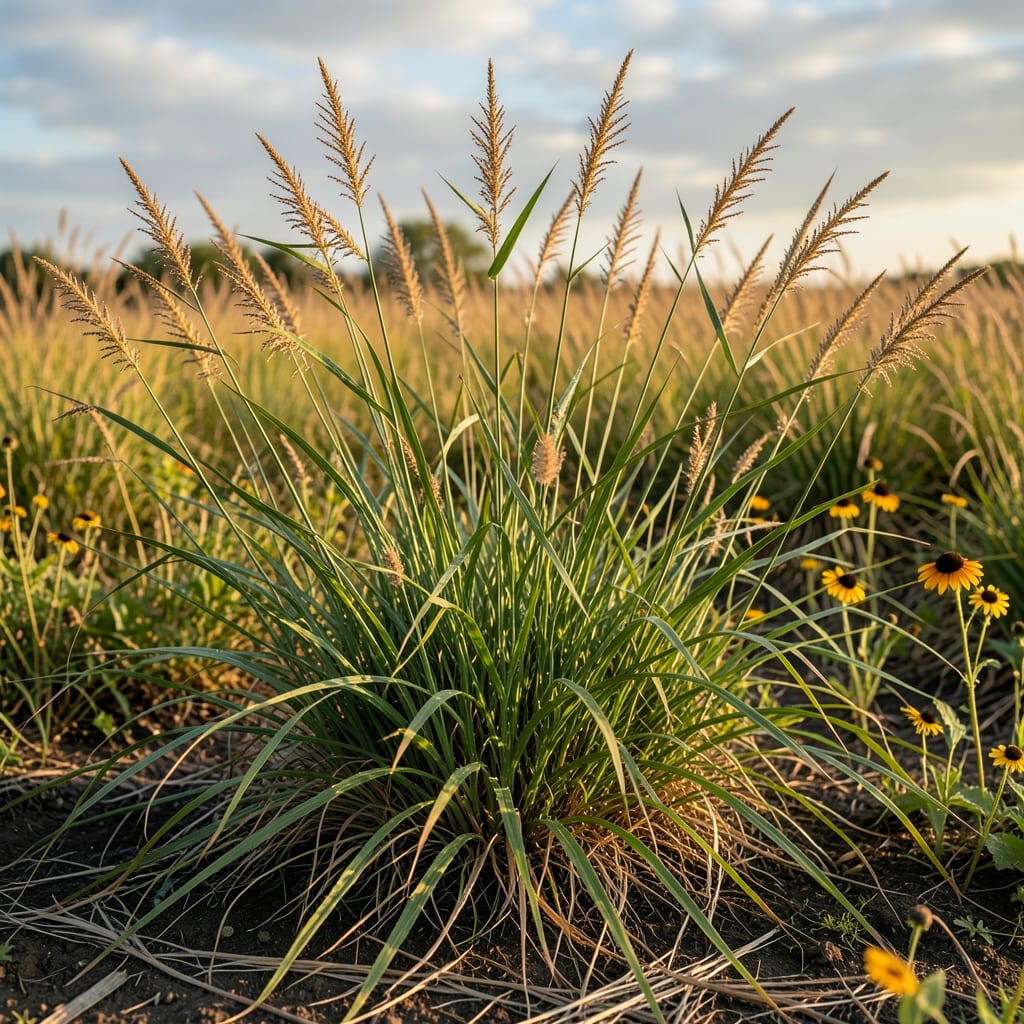
If you’ve ever wondered just how tall wild grass 🌿 can grow, you might be surprised to learn some species reach heights that put even the tallest humans to shame. The answer isn’t just about inches—it’s about the right conditions, species, and even a little help from nature (or human intervention). From towering Phragmites to fast-spreading Miscanthus, these grasses defy expectations, with some climbing over 12 feet under ideal circumstances.
But how do they get so tall? It’s not magic—it’s science. Factors like soil richness, water availability, and sunlight play starring roles, while climate zones and seasonal changes fine-tune the growth spurt. In USDA Zone 6a, for example, wild grass can shoot up faster than you’d think, especially when planted in spring and given the right care. The key? Understanding which species thrive where and how to manage them (or let them run wild).
Whether you’re dealing with an unexpected overgrowth in your yard or just curious about nature’s skyscrapers, this guide breaks down the tallest wild grass species and what makes them grow like they’re in a race to the sky. You’ll also discover how to control them—or even harness their height for your own purposes. Ready to find out which grasses are the true giants of the plant world?
From record-breaking heights to practical tips for gardeners, we’re diving into the world of wild grass growth. Whether you’re a homeowner, landscaper, or just a nature enthusiast, you’ll walk away knowing exactly how tall these grasses can get—and how to work with them (or keep them in check). Let’s get growing!


Record heights of the tallest wild grass species in nature
When it comes to wild grass, some species don’t just grow—they soar. In nature, certain grasses can reach heights that rival small trees, with Phragmites australis and Miscanthus giganteus leading the pack. These giants aren’t just tall; they’re ecological powerhouses, shaping wetlands and prairies with their towering presence. If you’ve ever seen a grassy patch that looks more like a jungle, you might be staring at one of these record-breakers.
The tallest wild grasses often thrive in wetland ecosystems or along riverbanks, where moisture and nutrients fuel their rapid growth. For example, Phragmites, also called common reed, can shoot up to 15 feet tall in ideal conditions, while Miscanthus (ornamental grass) can reach 12 feet with its feathery plumes swaying in the breeze. Even bamboo species, though technically grasses, can tower over 60 feet—though they’re less common in wild settings.
But not all tall grasses are created equal. Some, like switchgrass, grow 3-6 feet tall and play a key role in native prairies, while others, like giant reed, dominate invasive species lists due to their aggressive spread. Understanding these differences helps gardeners and land managers decide whether to embrace or control their growth.
🌱 Did You Know? The tallest recorded wild grass, Phragmites australis, has been documented at over 15 feet in height, with thick stems that can outcompete native plants in wetlands. This makes it both a natural wonder and an ecological challenge in many regions.
| Grass Species | Max Height | Habitat | Ecological Role |
|---|---|---|---|
| Phragmites australis (Common Reed) | 15+ ft | Wetlands, marshes | Dominant wetland plant; invasive in some areas |
| Miscanthus giganteus (Giant Miscanthus) | 12 ft | Prairies, gardens | Ornamental; erosion control; wildlife habitat |
| Arundo donax (Giant Reed) | 20+ ft (tropical) | Riversides, warm climates | Invasive; displaces native plants |
| Panicum virgatum (Switchgrass) | 6 ft | Prairies, plains | Native; soil stabilization; biofuel source |
| Bamboo (Running Bamboo) | 60+ ft (clumping types vary) | Forests, slopes | Erosion control; invasive potential |
In USDA Zone 6a, where winters can limit growth, wild grasses like switchgrass and little bluestem still reach impressive heights of 3-6 feet, especially when planted in spring after the last frost. These grasses are hardy and adaptable, making them perfect for native landscapes or low-maintenance yards. Their height isn’t just about aesthetics—it’s about survival in competitive ecosystems.
If you’re dealing with invasive species like Phragmites, their height can become a problem, crowding out native plants and altering habitats. On the other hand, ornamental grasses like Miscanthus are prized for their height and texture, adding drama to gardens. The key is knowing which grasses to encourage and which to manage.
For gardeners, the height of wild grass can be both a challenge and an opportunity. Tall grasses can provide wildlife habitats, erosion control, and even privacy screens. But without proper management, they can also take over your yard faster than you can say “mow that monster”. The good news? With the right strategies, you can harness their height or keep them in check—more on that in the next section.
So, whether you’re marveling at a 12-foot Miscanthus in your garden or wrestling with an unruly patch of Phragmites, understanding these record heights helps you make informed decisions. Next, we’ll dive into what makes wild grass grow so tall—and how you can influence its height for your own purposes.
Ready to learn how to control or harness this grassy growth? Let’s explore the factors that determine just how tall your wild grass can get—and what you can do about it. 🌿
Factors that determine how tall wild grass grows
Wild grass doesn’t grow to its full height potential by accident—it’s all about the right conditions. The tallest species, like Phragmites or Miscanthus, thrive when given the perfect mix of sunlight, water, and nutrient-rich soil. In USDA Zone 6a, for example, grasses planted in spring after the last frost can shoot up faster due to longer daylight hours and warming temperatures. But even in the same climate, height varies wildly depending on these key factors.
One of the biggest influences is water availability. Grasses like common reed (Phragmites) love wet conditions, which is why they dominate wetlands and riverbanks. In contrast, switchgrass or little bluestem adapt to drier prairie soils and max out at 3-6 feet. Overwatering or drought stress can stunt growth, while consistent moisture fuels rapid vertical expansion. Think of it like giving your grass a growth shot—too little, and it struggles; too much, and it may lean or rot.
Next up: sunlight exposure. Most wild grasses crave full sun (6+ hours daily), but some, like shade-tolerant fescue, stay shorter in wooded areas. In USDA Zone 6a, where sunlight varies by season, grasses planted near south-facing windows or in open fields grow taller than those in shaded corners. Without enough light, their energy goes into survival instead of reaching for the sky.
🌱 Pro Tip: If you’re growing ornamental grasses like Miscanthus for height, place them in the sunniest spot in your yard. Pair this with well-draining soil and regular watering (but not soggy conditions), and you’ll see those feathery plumes towering over 6 feet by midsummer.
| Factor | Ideal Conditions | Effect on Height | Example Species |
|---|---|---|---|
| Water | Consistent moisture | +10-15 ft (wetland species) | Phragmites, Giant Reed |
| Sunlight | 6+ hours daily | +3-6 ft (full sun vs. shade) | Miscanthus, Switchgrass |
| Soil Nutrients | Rich, well-draining | +2-4 ft (fertilized vs. poor soil) | Ornamental Grasses |
| Climate Zone | Warm seasons (Zone 6a+) | +50% growth in spring/summer | All wild grasses |
| Human Intervention | No mowing, fires, or herbicides | +Unlimited (natural height) | Invasive species |
Don’t underestimate the power of soil quality, either. Grasses planted in nutrient-poor soil stay shorter because they’re focused on root growth. Amend your soil with compost or a balanced fertilizer (10-10-10) to see a noticeable height boost. In USDA Zone 6a, where winters slow growth, spring planting gives grasses a 4-6 week head start before cooler temps set in.
Finally, human intervention plays a huge role. Mowing, fires, or herbicides can stunt growth, while leaving grasses untouched lets them reach their natural height potential. For example, Phragmites left unchecked in wetlands can grow 15+ feet, but regular mowing keeps it at 3-5 feet. The same goes for your yard—if you’re growing Miscanthus for privacy, avoid cutting it back until late winter to preserve its height.
Understanding these factors helps you predict—and control—how tall your wild grass will grow. Whether you’re dealing with an unruly patch or a showstopping garden feature, the right conditions make all the difference. Next, we’ll cover practical strategies to manage (or embrace) this grassy growth. Ready to take control? Let’s go! ✂️