
Size
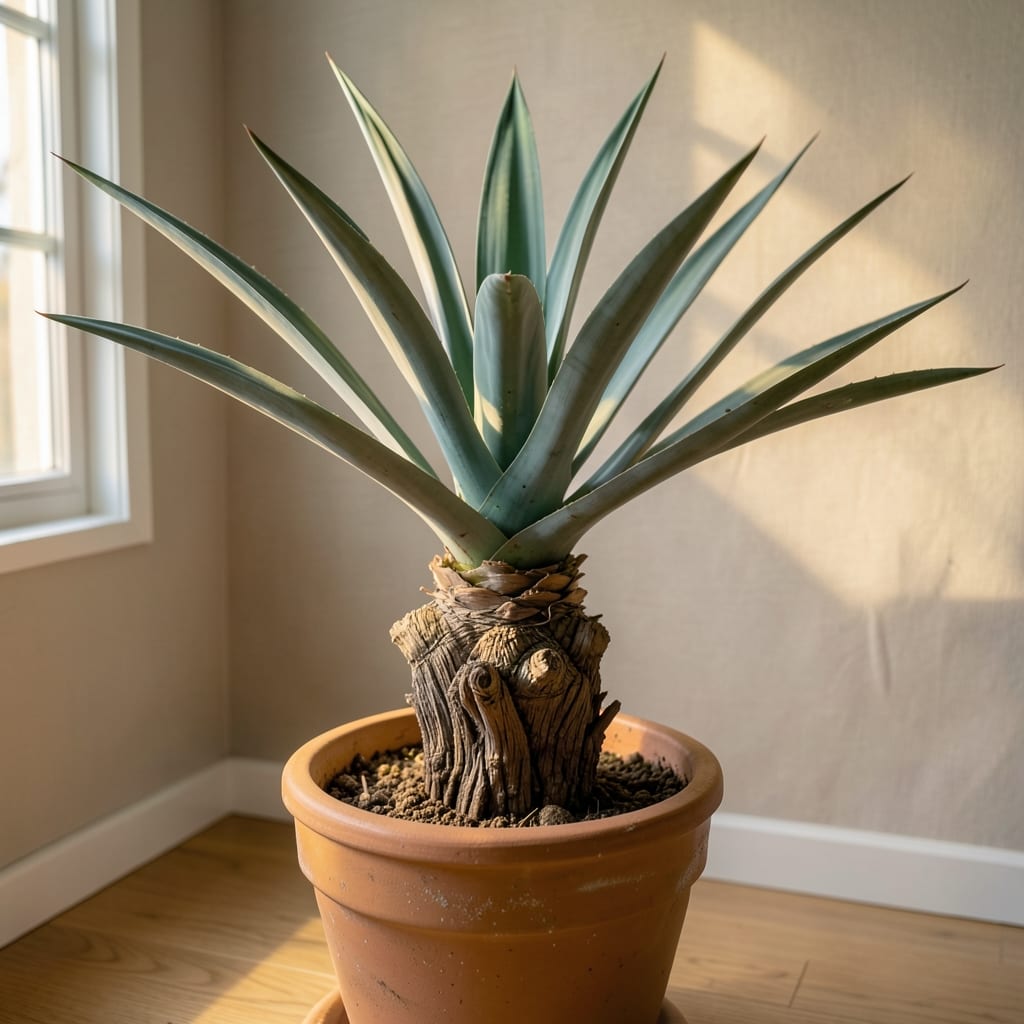
If you're dreaming of a dramatic, drought-resistant centerpiece for your landscape, how tall can yucca plants grow might surprise you. Some varieties like Yucca gigantea stretch toward the sky like ancient sentinels, reaching heights of 20 feet—taller than a basketball hoop or even a garage door!
But not all yuccas grow this tall. Yucca filamentosa, for example, typically stays between 3 to 6 feet, making it perfect for smaller gardens or containers. The key to their height lies in their variety, climate, and care—factors you can control to shape their growth.
Whether you're planning a bold statement plant or a compact accent, understanding these limits helps you choose the right 🌵 yucca for your space. I’ll break down the fastest-growing species, how to encourage (or rein in) their height, and practical tips for managing them in your garden.
Ready to transform your outdoor space with a yucca that fits your vision? Let’s dive into the skyward potential of these striking plants and how to make the most of them.


Yucca plant height limits: fastest-growing species and their skyward potential
Yuccas are nature’s architectural marvels, capable of reaching heights that rival small trees. The fastest-growing yucca species can shoot up 3 to 5 feet per year under ideal conditions, with some varieties eventually towering over your landscape like living skyscrapers.
For example, Yucca gigantea, also called the Spanish dagger, is the heavyweight champion of yucca heights. This dramatic species can reach 15 to 20 feet tall—taller than a basketball hoop or even a garage door in some cases! Its sword-like leaves and towering stalks make it a standout in desert landscapes or as a focal point in large gardens.
But not all yuccas grow this tall. Yucca brevifolia, or the Joshua tree, is another giant, typically growing 10 to 15 feet tall with a sprawling, tree-like form. These plants thrive in USDA zones 7-11 and are perfect for arid climates where they can stretch their branches toward the sun.
If you’re working with limited space, Yucca filamentosa, or Adam’s needle, is a more manageable option. This variety usually stays between 3 to 6 feet tall but can spread 6 to 10 feet wide, making it ideal for borders or containers. Its arching leaves and clumping habit add texture without overwhelming smaller gardens.
Now, let’s dive into the specifics with a quick reference table to help you visualize how these yuccas compare in height and growth habits.
| Variety | Mature Height | Growth Rate | Ideal Climate | Best For |
|---|---|---|---|---|
| Yucca gigantea | 15–20 ft | 3–5 ft/year | Zones 7–11 | Large landscapes, focal points |
| Yucca brevifolia | 10–15 ft | 2–4 ft/year | Zones 7–11 | Desert gardens, arid regions |
| Yucca filamentosa | 3–6 ft | 1–2 ft/year | Zones 4–10 | Borders, containers, small gardens |
| Yucca rostrata | 3–5 ft | 1 ft/year | Zones 5–9 | Rock gardens, urban containers |
| Yucca gloriosa | 6–10 ft | 2 ft/year | Zones 6–10 | Mediterranean-style gardens |
What’s fascinating about yuccas is how their height is influenced by climate and care. For instance, Yucca gigantea grows fastest in hot, dry climates with well-draining soil. If you’re in a cooler zone, like USDA Zone 6, growth may slow, but with proper sunlight and minimal watering, these plants can still reach impressive heights over time.
Soil type also plays a role. Yuccas despise soggy roots, so sandy or gravelly soil is ideal. If your garden has heavy clay, amending it with perlite or coarse sand can help prevent root rot and encourage upward growth. In fact, yuccas in containers often grow taller because their roots are restricted, forcing energy into vertical expansion.
Another factor to consider is sunlight exposure. Yuccas thrive in full sun (6+ hours daily), which fuels their rapid growth. In shadier conditions, they may grow taller but become leggy and weak. If you’re planting in partial shade, choose a dwarf variety like Yucca rostrata to avoid disappointment.
Understanding these height limits and growth factors helps you plan your garden layout. Whether you’re aiming for a 20-foot yucca giant or a 3-foot container plant, knowing the potential of each variety ensures you’ll end up with a stunning, well-proportioned landscape.
How to encourage or control Yucca growth height: pruning, spacing, and care tips
If you’ve ever wondered how to shape your yucca’s growth—whether to encourage it to reach for the sky or keep it compact—you’re in the right place. The key lies in pruning techniques, proper spacing, and understanding how these plants respond to care. With the right approach, you can guide a Yucca gigantea to tower like a desert sentinel or keep a Yucca rostrata neatly contained in a pot.
First, let’s talk about pruning for height control. Yuccas grow from a central stem, and pruning too aggressively can stunt growth or encourage multiple stems. To encourage height, avoid cutting back the main stalk unless it’s damaged. Instead, focus on removing dead or diseased leaves at the base. For a bushier look, you can prune the top third of the plant in early spring, which may stimulate side shoots—but be prepared for a temporary dip in height as new growth establishes.
For container-grown yuccas, height can become an issue due to root restriction. If your plant is stretching too tall, try root pruning by gently trimming the roots when repotting. This redirects energy toward fuller growth rather than upward expansion. Additionally, rotate containers regularly to ensure even sunlight exposure, which prevents leggy growth.
- 🌱 Prune in early spring to encourage new growth and control height. Avoid heavy pruning in late summer or fall, as this can stress the plant.
- 📏 Space plants 3–6 feet apart for dwarf varieties and up to 10 feet apart for giants like Yucca gigantea to prevent overcrowding and competition for nutrients.
- ☀️ Maximize sunlight (6+ hours daily) to promote strong, upright growth. Shade can lead to elongated, weak stems.
- 💧 Water deeply but infrequently. Overwatering can cause root rot, which weakens the plant and slows vertical growth.
- ✂️ Remove spent flower stalks after blooming to redirect energy into foliage growth rather than seed production.
Another critical factor is spacing. Yuccas have extensive root systems, and overcrowding can lead to stunted growth or increased susceptibility to pests. For dwarf varieties like Yucca rostrata, plant them 3 feet apart. For medium-height yuccas such as Yucca filamentosa, space them 4–5 feet apart. If you’re planting Yucca gigantea, give it 8–10 feet of clearance to avoid root competition and ensure it reaches its full potential.
Seasonal care also plays a role in managing height. In spring and summer, yuccas grow most actively, so focus on providing well-draining soil and minimal watering. A light application of balanced fertilizer (5-10-10) in early spring can boost growth, but avoid over-fertilizing, which can lead to weak, leggy stems. In fall and winter, reduce watering and fertilization entirely, as yuccas enter dormancy and growth slows naturally.
Finally, if your yucca has become too tall for its space, don’t despair—you can propagate from cuttings. Simply cut a healthy stem at the base, let it callus for a day, and plant it in well-draining soil. With proper care, your new cutting will grow into a fresh, manageable yucca plant while keeping your original specimen at a more desirable height.
With these tips, you’ll be well on your way to cultivating yuccas that fit your vision—whether you’re aiming for a 20-foot desert giant or a compact container specimen. Happy gardening! 🌵