
How To
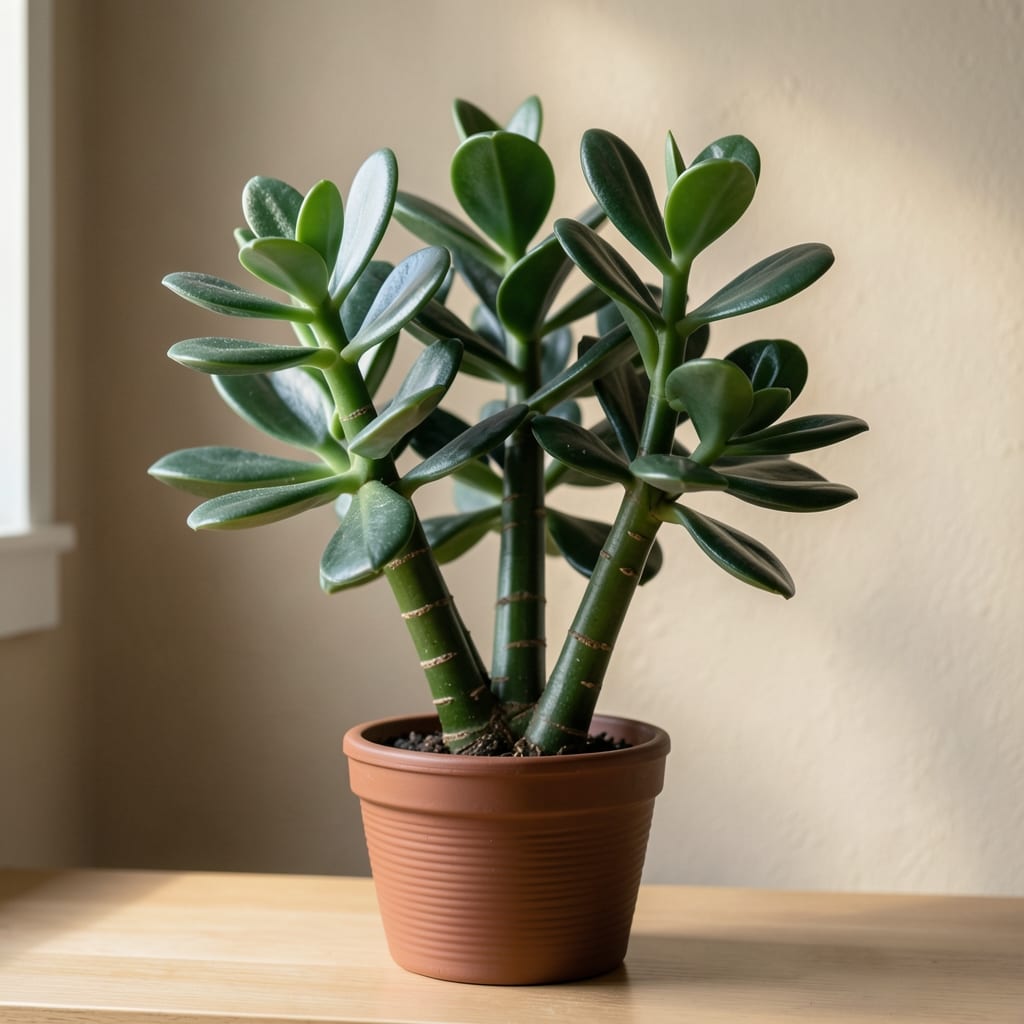
How tall can ZZ plants grow—and will yours soon be stretching toward your ceiling like a vertical jungle statement? The answer might surprise you, especially if you’ve been assuming these glossy-leaved wonders stay small and manageable.
ZZ plants (🌿 Zamioculcas zamiifolia) are notorious for their low-maintenance nature, but their height potential is often misunderstood. Indoors, they typically reach 2-3 feet—about the height of a standard bookshelf—but with the right conditions, they can climb even higher, especially in spacious rooms or when given time to mature.
Want to keep yours compact or encourage it to grow taller? The key lies in factors like pot size, light exposure, and even pruning techniques. I’ll break down how to control its height without stunting growth, plus when to let it reach its full ceiling-hugging glory.
Whether you’re dealing with a 1-foot starter or a 4-foot tower, understanding these growth hacks will help you shape your ZZ plant’s future—indoors or out. Let’s dive in!


ZZ plant height range: from floor to ceiling (and how to measure it)
Your ZZ plant's height potential is far more flexible than most gardeners realize. While the average indoor height hovers around 2-3 feet, well-cared-for specimens can easily reach 4 feet or more—especially in spacious rooms with bright, indirect light. The world record for indoor ZZ plants clocks in at nearly 6 feet, though this requires optimal conditions and years of growth.
Outdoors in tropical climates, ZZ plants can grow even taller, sometimes exceeding 10 feet when planted in the ground. This dramatic difference highlights how container size, light exposure, and care routines directly impact height. Even in low-light offices, your ZZ plant will grow, just at a slower, more compact rate.
To measure your plant's growth accurately, use a simple ruler or measuring tape against the tallest stem. Mark the height on the pot with a waterproof marker every few months to track progress. I recommend checking heights during spring and fall when growth spurts are most noticeable. For a visual reference, compare your plant to everyday objects like bookshelves (3 ft) or standard door heights (6-7 ft).
Here’s the key takeaway: ZZ plants don’t have a strict height limit—they’ll grow until they hit their container’s boundaries or outgrow their light source. This makes them perfect for both space-conscious apartments and large conservatories. The real question isn’t "how tall can they grow?" but "how tall will yours grow with your care?"
| Growth Stage | Height Range | Timeframe | Key Factors |
|---|---|---|---|
| Seedling | 6-12 inches | 0-6 months | Pot size, soil nutrients |
| Juvenile | 1-2 feet | 6-18 months | Light exposure, pruning |
| Mature (Indoor) | 2-4 feet | 2-5 years | Container size, care routine |
| Mature (Outdoor) | 6-10 feet | 3-7 years | Climate, soil quality |
🌱 Pro Tip: Measure from the soil line, not the pot rim, for accurate growth tracking.
If you’re wondering whether your ZZ plant will ever reach ceiling height, consider these two critical factors: root space and light availability. A plant in a 5-gallon pot will grow taller than one in a 6-inch planter, but it may also become top-heavy and unstable. For ceiling-bound growth, opt for wide, shallow containers that encourage lateral root spread while allowing vertical growth.
Light plays an equally important role. ZZ plants grown under bright indirect light (like a north-facing window) will grow 20-30% taller than those in dim corners. The secret? Photosynthesis efficiency—more light means more energy for vertical growth. Try rotating your plant quarter-turns every 2 weeks to ensure even growth and prevent lopsided height increases.
For those aiming to maximize height, I recommend upgrading to a 12-inch or larger pot every 2-3 years. This gradual container expansion mimics natural growth conditions and prevents root-bound stress, which can stunt height gains. Pair this with a balanced fertilizer (like 10-10-10) applied in early spring to fuel upward growth.
Remember, even the tallest ZZ plants grow at a steady, predictable pace. Unlike fast-growing bamboo, you won’t see dramatic height changes overnight. Patience and consistent care are your best tools for coaxing your plant toward its full potential—whether that’s a 3-foot statement piece or a 6-foot living room centerpiece.
Want to encourage faster growth? Focus on these three high-impact adjustments: increase light exposure, upgrade container size, and maintain consistent soil moisture (but never soggy). With these tweaks, you’ll see noticeable height increases within 6-12 months. 🌿
5 Space-saving hacks to control ZZ plant height (without stunting growth)
If your ZZ plant is growing taller than you’d like—or you’re worried it’ll soon outgrow its space—don’t panic! You can control its height without sacrificing health or growth potential. The key is using gentle, strategic techniques that encourage bushier growth instead of vertical stretching. Whether you’re working with a 1-foot starter or a 3-foot tower, these hacks will keep your plant manageable while maintaining its vibrant, glossy leaves.
First, let’s address the most common misconception: pruning doesn’t stunt growth—it redirects energy. By trimming the tallest stems, you encourage the plant to produce new side shoots, creating a fuller, more compact shape. I recommend pruning in early spring when the plant is entering its active growth phase. Simply snip just above a leaf node (where leaves grow from the stem) using clean, sharp pruning shears. This small cut signals the plant to focus energy on lateral growth rather than vertical elongation.
For even more control, try trellis training—a clever technique that works surprisingly well with ZZ plants. Install a small bamboo trellis or wire frame near your plant and gently weave the tallest stems around it. As the plant grows, the trellis will guide its upward growth in a controlled direction, preventing it from becoming top-heavy or lopsided. This method is especially useful if you’re aiming to create a vertical garden feature without sacrificing floor space. Just be sure to secure the stems loosely so they aren’t damaged as they grow.
- 🌿 Prune strategically: Trim tallest stems above leaf nodes to encourage bushier growth. Do this in spring for best results.
- 🪴 Upgrade containers: Switch to a wider, shallower pot to promote lateral root spread and shorter stature.
- ✂️ Pinch new growth: Gently pinch off the top 1-2 inches of new shoots to redirect energy to side branches.
- 💡 Limit light exposure: Move to lower-light areas (like east-facing windows) to slow vertical growth without stressing the plant.
- 🌳 Use trellis training: Guide tall stems along a bamboo trellis to control height and create a structured look.
Another effective trick is container size manipulation. ZZ plants grow taller when they’re root-bound, so upgrading to a wider pot (rather than a taller one) can significantly reduce height. Aim for a container that’s at least 2 inches wider than your plant’s current root ball. This gives the roots more room to spread horizontally, which naturally encourages shorter, stockier growth. Just ensure the new pot has drainage holes to prevent root rot—a common issue when ZZ plants are overpotted.
If you’re dealing with a lanky, leggy ZZ plant, the issue might be light deprivation. While ZZ plants tolerate low light, they’ll stretch toward any available light source, leading to elongated stems. To fix this, move your plant to a brighter spot (but still indirect) or add a grow light for 4-6 hours daily. This encourages more compact, even growth. Pro tip: Rotate your plant quarter-turns every 2 weeks to ensure all sides receive equal light, preventing one-sided stretching.
Finally, consider when to let your ZZ plant reach its full height. If you love the dramatic look of a tall, mature ZZ plant, embrace it! These plants can thrive as floor-standing statement pieces, especially in spacious rooms or greenhouses. The key is to provide sturdy support—like a heavy ceramic pot or a wide base—to prevent tipping. Pair it with a large, decorative planter to anchor its height and turn it into a focal point. With the right care, your ZZ plant could become the ceiling-hugging centerpiece of your space—without sacrificing its health or vibrancy.