
Size
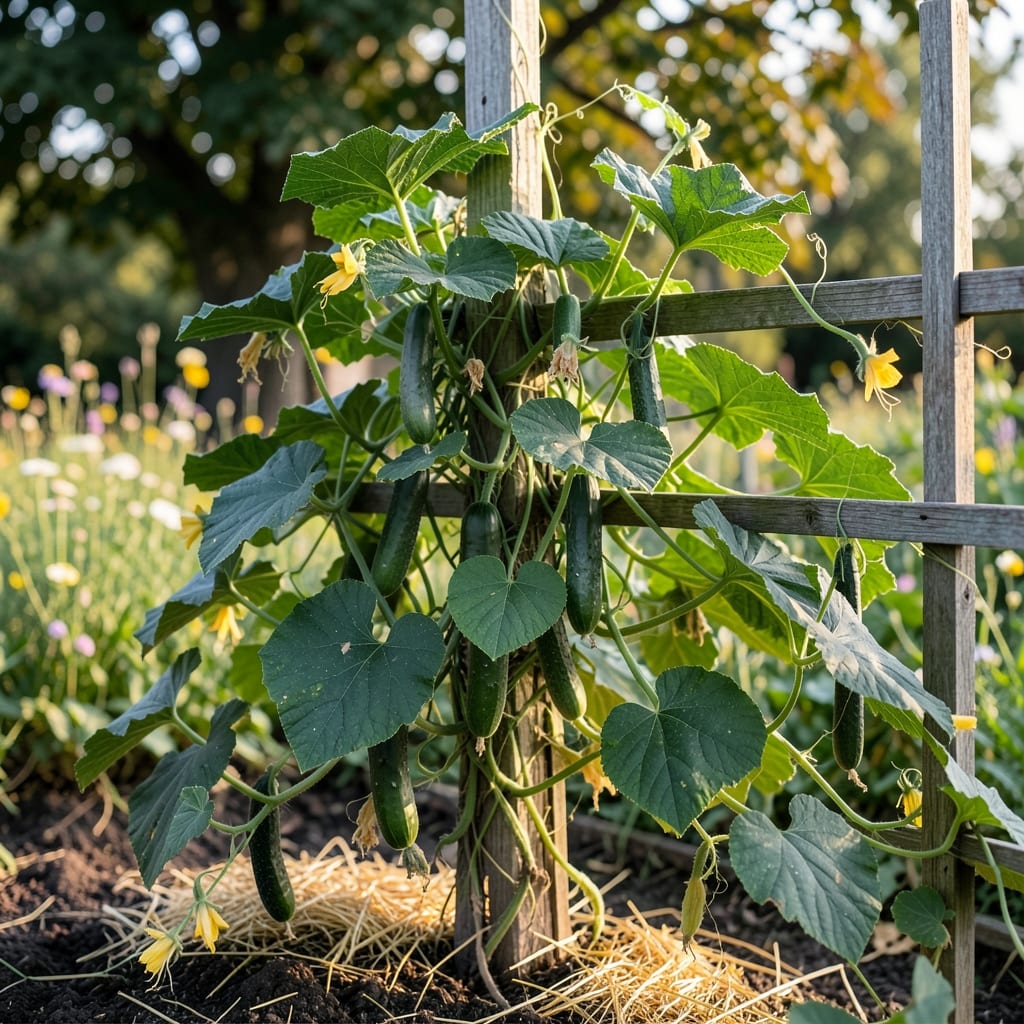
If you’ve ever watched your 🥒 cucumber plants grow tall like vines in a fairy tale, you know their height can be a wild card in your garden. Some varieties stretch toward the sky like jungle explorers, while others stay neatly compact—yet both can produce bountiful harvests if you understand their growth habits.
The truth is, how tall cucumber plants grow depends entirely on the variety you choose. Bush types stay under 3 feet, making them perfect for small spaces, while vining varieties can climb 10 feet or more if given the right support. Whether you’re working with a backyard plot or a balcony container, knowing these differences is the key to maximizing your yield without losing control of your garden.
But here’s the game-changer: even tall vining cucumbers can be tamed with simple techniques like trellising, pruning, and proper spacing. I’ll walk you through exactly how to manage their height—whether you want them to sprawl dramatically or stay neatly contained. Let’s turn those sprawling vines into a structured, productive powerhouse.
Ready to discover which cucumber varieties fit your space and how to keep them thriving? The right approach could mean the difference between a few scattered fruits and a garden overflowing with crisp, homegrown cucumbers all season long.

Cucumber plant height by variety: vining vs compact growth habits
Cucumber plants come in two main growth categories: vining and compact (bush), each with dramatically different height ranges. Traditional vining varieties like Straight Eight can climb 10-15 feet when trellised, while bush types such as Bush Champion stay under 3 feet. This variety difference isn't just about aesthetics—it impacts your garden's layout, yield potential, and even pest management.
Understanding these height differences helps you choose the right variety for your space. For example, Marketmore cucumbers (a popular vining type) need 5-6 feet of vertical support, while Arkansas Little Leaf (a compact variety) thrives in 1-gallon containers. The wrong choice can lead to overcrowded plants, poor air circulation, or wasted space.
Here’s how to visualize the differences between common cucumber varieties and their mature heights:
| Variety | Growth Habit | Mature Height | Space Needs | Best For |
|---|---|---|---|---|
| Straight Eight | Vining | 10-15 ft | Trellis or fence | Large gardens, high yields |
| Bush Champion | Compact | 1-2 ft | 1 sq ft per plant | Containers, small spaces |
| Marketmore | Vining | 6-10 ft | Trellis or row spacing | Home gardens, fresh eating |
| Arkansas Little Leaf | Compact | 1-2 ft | 5-gallon container | Balconies, patios |
| Spacemaster | Semi-dwarf | 3-4 ft | 2-3 ft apart | Small gardens, trellises |
Vining cucumbers like Straight Eight and Marketmore require vertical support to reach their full height potential. Without trellises or stakes, they’ll sprawl across the ground, taking up 10-12 feet of horizontal space. This sprawling habit can lead to soil-borne diseases and poor fruit quality due to shaded leaves. On the other hand, compact varieties like Bush Champion stay low to the ground, making them ideal for container gardening or small urban plots.
If you’re growing cucumbers in containers, choose compact varieties like Arkansas Little Leaf or Spacemaster. These stay under 3 feet tall and fit easily in 5-gallon pots. For larger gardens, vining types like Straight Eight can produce 2-3 times more fruit when given proper vertical support, but they need at least 6 feet of trellis space per plant.
Another key factor is fruit type. Slicing cucumbers (like Marketmore) often grow taller than pickling varieties (like Boston Pickling, which maxes out at 4-5 feet). Always check seed packets for mature height estimates—this small detail can save you from overcrowding or underutilized space.
For maximum yield, vining cucumbers benefit from pruning side shoots to direct energy upward. Compact varieties, however, should be pruned minimally to encourage bushier growth. The wrong pruning approach can stunt growth or reduce fruit production, so always tailor your technique to the variety’s natural height.
In my own garden, I’ve found that semi-dwarf varieties like Spacemaster strike the best balance. They grow 3-4 feet tall with minimal support, making them perfect for small backyards or raised beds. Plus, their shorter vines mean fewer pests like cucumber beetles, which struggle to climb up taller trellises.
🌱 Whether you’re working with a 10-foot trellis or a 5-gallon pot, choosing the right cucumber variety for your space is the first step to a productive harvest.
How to control cucumber plant height for small gardens or containers
If you love cucumbers but have limited space, don’t let their natural height stop you. With the right techniques, you can grow even tall vining varieties in small gardens or containers without sacrificing yield. The key lies in trellising, pruning, and choosing the right compact varieties for your setup. I’ve successfully grown 10-foot vining cucumbers in my 5-foot-tall raised beds using these methods.
For containers or small spaces, start by selecting semi-dwarf or bush varieties. These stay under 3-4 feet tall and thrive in 5-gallon pots. Varieties like Arkansas Little Leaf and Spacemaster are perfect for balconies or patios, producing abundant fruit without sprawling. Even vining types can be managed with vertical support—a simple 3-foot trellis can keep them contained while maximizing your harvest.
Here’s a step-by-step guide to controlling cucumber plant height in tight spaces:
- 🪴 Choose the right variety: Opt for compact or semi-dwarf types like Bush Champion (1-2 ft) or Spacemaster (3-4 ft) for containers. For vining types, pick determinate varieties (like Boston Pickling) that self-limit growth.
- ✂️ Prune aggressively: Remove side shoots (suckers) that form below the main stem to encourage upward growth. For vining types, prune every 2-3 weeks to keep height manageable.
- 🌿 Use vertical support: Install a trellis, cage, or stake at planting time. For containers, a 3-foot tall tomato cage works perfectly. Train vines to climb early to avoid sprawling.
- 💧 Water consistently: Deep watering every 2-3 days prevents stress that can stunt growth. In containers, mulch the soil to retain moisture and reduce evaporation.
- ☀️ Ensure full sun: Place containers or small gardens in south-facing spots with 6+ hours of sunlight. Shade can weaken vines, making them flop or grow unevenly.
One of my favorite space-saving tricks is using a two-tier trellis system. I plant Spacemaster cucumbers at the base and train them upward, then add a second tier of bush beans or lettuce beneath. This maximizes vertical space while keeping cucumbers contained. For balcony gardens, I’ve even used wall-mounted trellises to grow cucumbers along fences or railings.
If you’re growing cucumbers in containers, ensure the pot is at least 5 gallons to accommodate roots. Smaller pots can restrict growth, leading to stunted plants or reduced fruit production. Add a time-release fertilizer at planting to support steady growth without overfeeding, which can cause leggy, weak vines.
For maximum yield in small spaces, focus on harvesting frequently. Cucumbers produce more when picked regularly, and this encourages the plant to direct energy upward rather than sprawling. In my experience, pruning and trellising not only control height but also reduce pests like cucumber beetles, which struggle to reach the fruit on elevated vines.
🌱 With these techniques, you can grow abundant cucumbers even in the smallest of spaces—whether it’s a balcony pot or a raised bed. The key is matching the variety to your space and giving it the right support from day one.