
Size
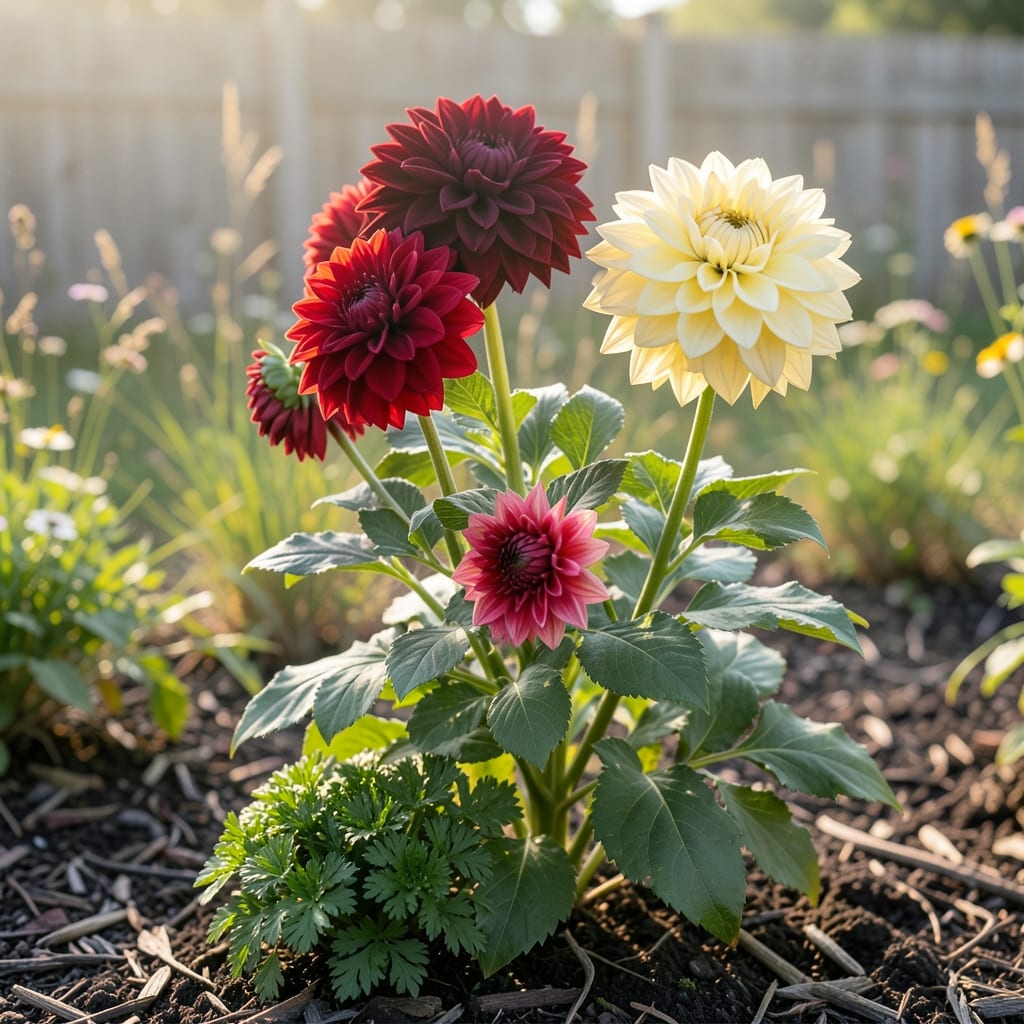
If you’ve ever wondered how tall dahlias grow, you’re not alone—many gardeners hesitate before planting these stunning 🌸 flowers because of their dramatic height potential. From delicate 1-foot varieties to towering giants reaching 7 feet, dahlias can transform your garden overnight, but their growth depends on more than just luck.
The key to predicting your dahlias’ height lies in understanding their variety, soil quality, and sunlight exposure. Whether you’re growing dinnerplate blooms for showstopping displays or cactus-style dahlias that stay compact, each type follows its own growth timeline—starting as small tubers in spring and unfolding into their full glory by mid-summer.
In this guide, I’ll break down exactly how tall dahlias grow by variety, from the first sprouts to their mature height, plus pro tips to control their size naturally. No more guessing whether your dahlias will reach for the sky or stay put—just science-backed insights to help you plan your garden like a pro.
Ready to grow dahlias that fit your space perfectly? Let’s dive into the season-long height tracker that’ll give you confidence from planting day to harvest time.


Dahlia height growth patterns by variety type (with seasonal milestones)
Dahlias are one of the most rewarding flowers to grow, but their height can vary dramatically depending on the variety you choose. Some stay as short as 1 foot, while others reach 7 feet—that’s taller than most gardeners! Understanding these growth patterns helps you plan your garden layout and choose the perfect dahlias for your space.
The key to predicting height lies in the variety type and its natural growth habits. For example, dwarf varieties like 'Mignon' stay under 2 feet, while giant dinnerplate dahlias like 'Arabian Night' can soar to 6 feet or more. Even within a single variety, height can shift based on soil quality, sunlight, and care.
Below is a season-long height tracker that breaks down how tall dahlias grow at key stages—from sprouts to full bloom—so you can track progress and adjust care as needed. Whether you're a first-time grower or a seasoned pro, these milestones will help you set realistic expectations.
🌱
As you can see, the height at 30 days gives you an early clue about how tall your dahlias will grow. For example, if your 'Arabian Night' is only 10 inches tall after a month, it’s on track to reach its full 6-foot potential. However, if it’s lagging, you might need to adjust your watering schedule or fertilizer to encourage faster growth.
One of the most exciting parts of growing dahlias is watching them sprout from tubers in early summer. Within just 30 days, you’ll see the first signs of growth—thin green shoots pushing through the soil. By 60 days, these shoots will have developed into sturdy stems, and you’ll start to notice buds forming. This is when the real magic happens, as dahlias begin to bolt upward toward their mature height.
By 90 days, most dahlias will be close to their final height, though they may still grow another 6–12 inches before reaching full maturity. This is especially true for giant varieties, which can continue growing until the first frost. Pay attention to the stem thickness and leaf size—healthy dahlias will have thick, woody stems and large, vibrant leaves.
🌿
If you’re growing dahlias in containers, expect their height to be slightly shorter than in-ground plants. For example, a 5-foot variety might only reach 4 feet in a pot due to restricted root growth. To maximize height, choose large containers (at least 12 inches deep) and use a high-quality potting mix with added compost. Avoid overcrowding, as this can stunt growth and lead to weaker stems.
For cut flower gardens, taller varieties like 'Arabian Night' or 'Galaxy' are ideal. These dahlias not only reach impressive heights but also produce large, long-lasting blooms perfect for arrangements. If you’re growing them for cutting, plant them in well-drained soil and provide support stakes early to prevent flopping. Harvest blooms in the morning when they’re fully open but before the petals start to fade
How to control dahlia height naturally (without staking or pruning)
If you’ve ever struggled with overgrown dahlias that flop or stunted growth that never reaches its potential, you’re not alone. The good news? You can naturally control dahlia height without resorting to heavy pruning or unsightly stakes. The secret lies in soil nutrition, watering techniques, and strategic planting—all of which encourage strong, self-supporting stems.
One of the first steps is choosing the right variety for your space. For example, dwarf varieties like 'Little Angel' stay under 2 feet, while semi-dwarf types like 'Café au Lait' reach 3 feet—ideal for small gardens. Even within taller varieties, you can influence height by adjusting fertilizer ratios. A low-nitrogen fertilizer (like 5-10-10) promotes stem strength over leafy foliage, which helps dahlias stand upright naturally.
🌱
- 1 Start with healthy tubers: Plant firm, plump tubers (not shriveled or soft) for stronger early growth. Soak them in lukewarm water for 12 hours before planting to encourage faster sprouting.
- 2 Plant deep and spaced: Bury tubers 4–6 inches deep and space them 12–18 inches apart (closer for dwarfs, farther for giants). Deeper planting encourages stronger root systems, which supports taller growth.
- 3 Water deeply but infrequently: Dahlias hate wet feet but need consistent moisture. Water early in the morning and aim for 1 inch per week (more in extreme heat). Avoid overhead watering to prevent fungal diseases that weaken stems.
- 4 Use mulch for stability: Apply 2–3 inches of mulch (straw or shredded leaves) around the base to retain moisture and prevent flopping. Mulch also insulates roots, encouraging steady growth without sudden spikes.
- 5 Fertilize strategically: Feed dahlias with a balanced fertilizer (5-10-10) every 4–6 weeks during the growing season. Avoid high-nitrogen fertilizers, which promote leafy growth over stemsphosphorus and potassium for stronger stems and blooms.
Another often-overlooked trick is planting location. Dahlias grown in full sun (6+ hours daily) develop thicker stems and fewer floppy blooms than those in partial shade. If your garden is shady, opt for dwarf or semi-dwarf varieties, as they tolerate lower light better while still staying compact.
For container gardening, choose large pots (at least 12 inches deep) and fill them with a lightweight, well-draining mix combined with compost. Container-grown dahlias may not reach their full height potential, but they’ll still thrive with proper care. Add a small cage or spiral stake early on to give stems gentle support without restricting growth.
Finally, pay attention to early signs of stress, like yellowing leaves or weak stems. These often signal overwatering, nutrient deficiencies, or pest damage. Addressing these issues quickly can prevent height problems before they start. With these natural methods, your dahlias will grow to their ideal height—strong, sturdy, and stunning—without needing heavy intervention.
☀️