
Size
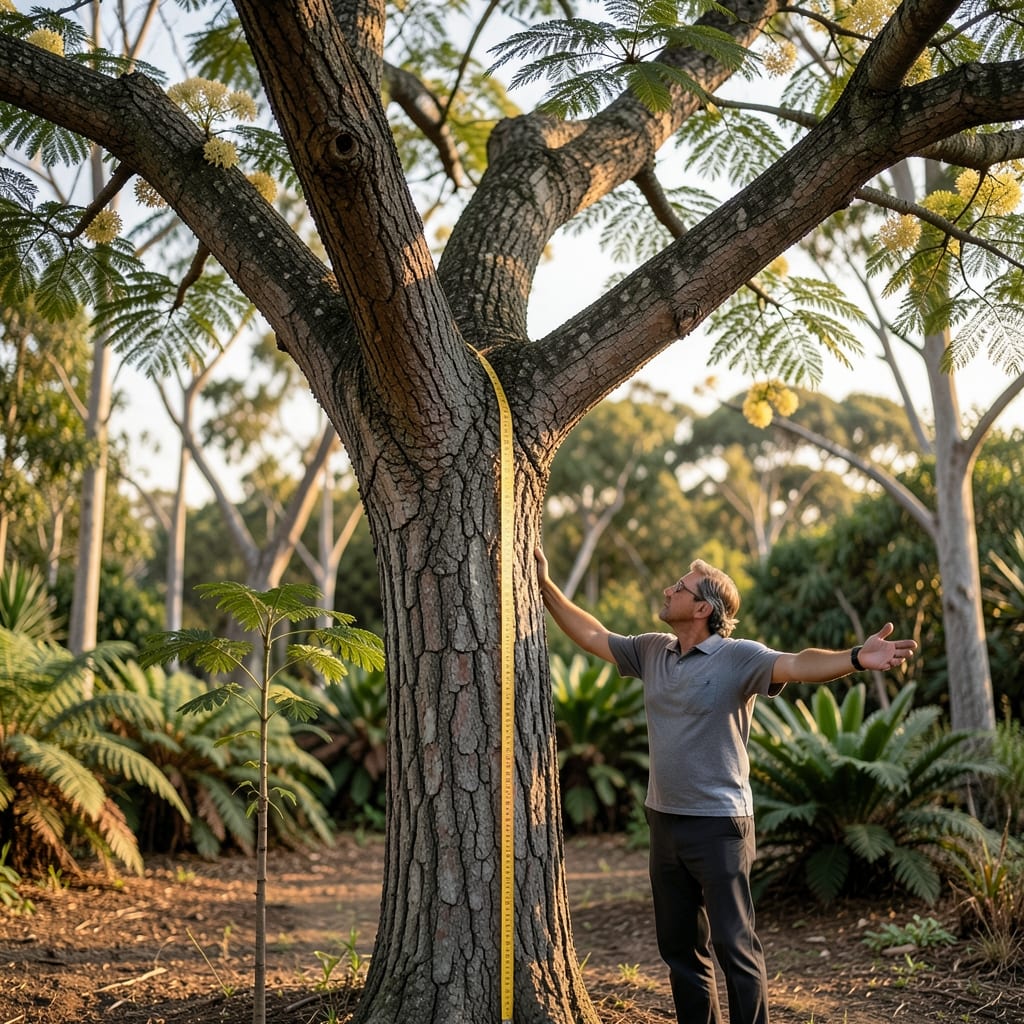
If you're wondering how tall do acacia trees grow, the answer might surprise you—some varieties shoot up like skyscrapers while others stay cozy and compact. Picture this: a 100-foot giant towering over your backyard or a dainty 10-foot beauty perfect for small spaces. The difference comes down to species, climate, and a little pruning know-how.
Acacia trees are famous for their fast growth, especially in warm climates like USDA Zone 6a and beyond. While some species like Acacia koa can reach 60 feet in ideal conditions, others like Acacia dealbata stay under 20 feet—making them great for urban gardens. The key to managing their height lies in understanding their natural growth patterns and when to step in with pruning.
Whether you're dreaming of shade trees or privacy screens, acacias deliver—if you know which species to pick. I’ll break down the fastest growers, the most manageable varieties, and how to control their height so they fit your space perfectly. Ready to turn your landscape into a lush, sunlit oasis?
From towering giants to petite powerhouses, acacias offer something for every garden—with the right care. Let’s explore how to choose and grow them to match your vision, no matter how big (or small) you’re dreaming.


Acacia tree height by species: from 10-Foot dwarfs to 100-Foot giants
Acacia trees are nature's growth machines—some species shoot up like skyscrapers while others stay perfectly proportioned for small yards. The mature height of an acacia depends entirely on its species, with fast-growing varieties like Acacia koa reaching 60 feet or more in ideal conditions. Meanwhile, compact types like Acacia dealbata top out at just 15-20 feet, making them perfect for urban gardens.
What surprises many gardeners is how quickly these trees grow. In their first year, acacias can sprout 2-4 feet tall, with some aggressive growers doubling that in just two years. This rapid growth is why they're popular for privacy screens and shade—but it also means height control requires planning. Let’s explore the extremes so you can pick the perfect acacia for your space.
🌱 Acacia Tree Height Comparison
| Species | Mature Height | Growth Rate | Best For |
|---|---|---|---|
| Acacia koa | 50-60 ft | 3-5 ft/year | Shade trees, large properties |
| Acacia melanoxylon | 40-50 ft | 2-4 ft/year | Privacy screens, windbreaks |
| Acacia dealbata | 15-20 ft | 1-2 ft/year | Urban gardens, small yards |
| Acacia baileyana | 10-15 ft | 1 ft/year | Ornamental, pollinator-friendly |
| Acacia fimbriata | 12-18 ft | 1.5 ft/year | Drought-tolerant landscapes |
| Acacia retinodes | 30-40 ft | 2-3 ft/year | Medium-sized shade |
| Acacia saligna | 40-60 ft | 3-4 ft/year | Fast-growing windbreaks |
If you're planting acacias for privacy or shade, the fastest-growing species like Acacia koa and Acacia saligna will deliver results in just a few years. These giants thrive in USDA Zone 6a and warmer, where they can add 3-5 feet per year under ideal conditions. For smaller spaces, Acacia dealbata and Acacia baileyana offer stunning golden blooms without overwhelming your yard.
The soil type plays a huge role in height potential. Acacias prefer well-draining soil—sandy or loamy—to prevent root rot, which can stunt growth. In heavy clay soils, their growth slows significantly, often staying under 20 feet even for larger species. Amending your soil with compost before planting gives them the best start for reaching their full height potential.
Don’t overlook the climate impact on acacia growth. In hot, dry regions like the Southwest, acacias can grow twice as fast as they would in cooler climates. This is why Acacia koa becomes a towering 60-foot tree in Hawaii but may only reach 30 feet in the Pacific Northwest. Always check your local microclimate before choosing a species.
For gardeners with limited space, dwarf varieties like Acacia baileyana (Cootamundra Wattle) are game-changers. These 10-15 foot trees bloom with vibrant yellow flowers and attract pollinators without taking over your garden. Their slow growth—just 1 foot per year—makes them low-maintenance stars for patios and balconies.
One common misconception is that all acacias need full sun to reach their maximum height. While they do love sunlight, some varieties like Acacia dealbata can tolerate partial shade, though their growth may be slightly slower. If you're planting near a building or under mature trees, choose shade-tolerant species to avoid disappointment in height.
Pro tip: If you're unsure which acacia to pick, start with Acacia retinodes—a versatile 30-40 foot tree that grows at a moderate pace and handles a variety of soil types. It’s my go-to recommendation for gardeners who want a balance of height, speed, and adaptability.
Ready to transform your landscape? The right acacia species can turn your backyard into a sunlit sanctuary—whether you're aiming for towering shade or a charming compact tree. 🌳
How to control Acacia tree height: pruning tips for fast-growing varieties
If you've planted a fast-growing acacia like Acacia koa or Acacia saligna, you know how quickly they can outgrow your space. The secret to managing their height lies in strategic pruning—not just cutting willy-nilly. I’ve learned that timing and technique make all the difference between a lush, manageable tree and a leggy monster. Let’s dive into the best methods to keep your acacia at your desired height while encouraging healthy growth.
First, the best time to prune acacias is late winter or early spring, just before new growth begins. This timing gives the tree energy to recover quickly and promotes bushier growth. Avoid pruning in fall, as new growth won’t have time to harden off before winter. For fast-growing varieties, you might need a second light pruning in mid-summer to control height spikes during the growing season.
✂️ Step-by-Step Pruning Guide for Acacias
- Step 1: Remove dead or diseased branches first—these can spread problems to healthy growth.
- Step 2: Cut back 1/3 of the height in one session for aggressive growers like Acacia koa.
- Step 3: Prune just above a leaf node (bud) to encourage new branches.
- Step 4: Use clean, sharp tools (bypass pruners or loppers) to avoid tearing bark.
- Step 5: Thin out crowded branches to improve airflow and reduce disease risk.
One common mistake I see is over-pruning acacias, which can stress the tree and lead to weak growth. Never remove more than 25-30% of the canopy in a single session. For dwarf varieties like Acacia baileyana, light pruning is enough—just trim back a few inches to maintain shape. If you’ve accidentally pruned too much, don’t panic. Acacias are resilient; focus on watering deeply and fertilizing lightly to help them recover.
For bushier growth, prune the top of the tree to encourage lateral branches. This technique works especially well for Acacia dealbata, turning it from a tall, narrow tree into a rounded shrub. Just be patient—it may take a year or two to see dramatic changes. If your acacia is growing too fast vertically, prune the topmost branches first to slow its upward momentum.
Tools matter too! I recommend using bypass pruners for small branches and a pruning saw for thicker stems. Always sterilize your tools with rubbing alcohol between cuts to prevent bacterial infections. And here’s a pro tip: Prune in stages if your acacia is very tall. Start with the lower branches first to make the upper cuts safer and easier.
Finally, don’t forget about root pruning for container-grown acacias. If your tree is in a pot, gently trim the outer roots when repotting to encourage a more compact growth habit. This works wonders for Acacia fimbriata in urban settings where space is limited. With the right pruning routine, you can enjoy the beauty of acacias without them taking over your yard. 🪴