
Trees
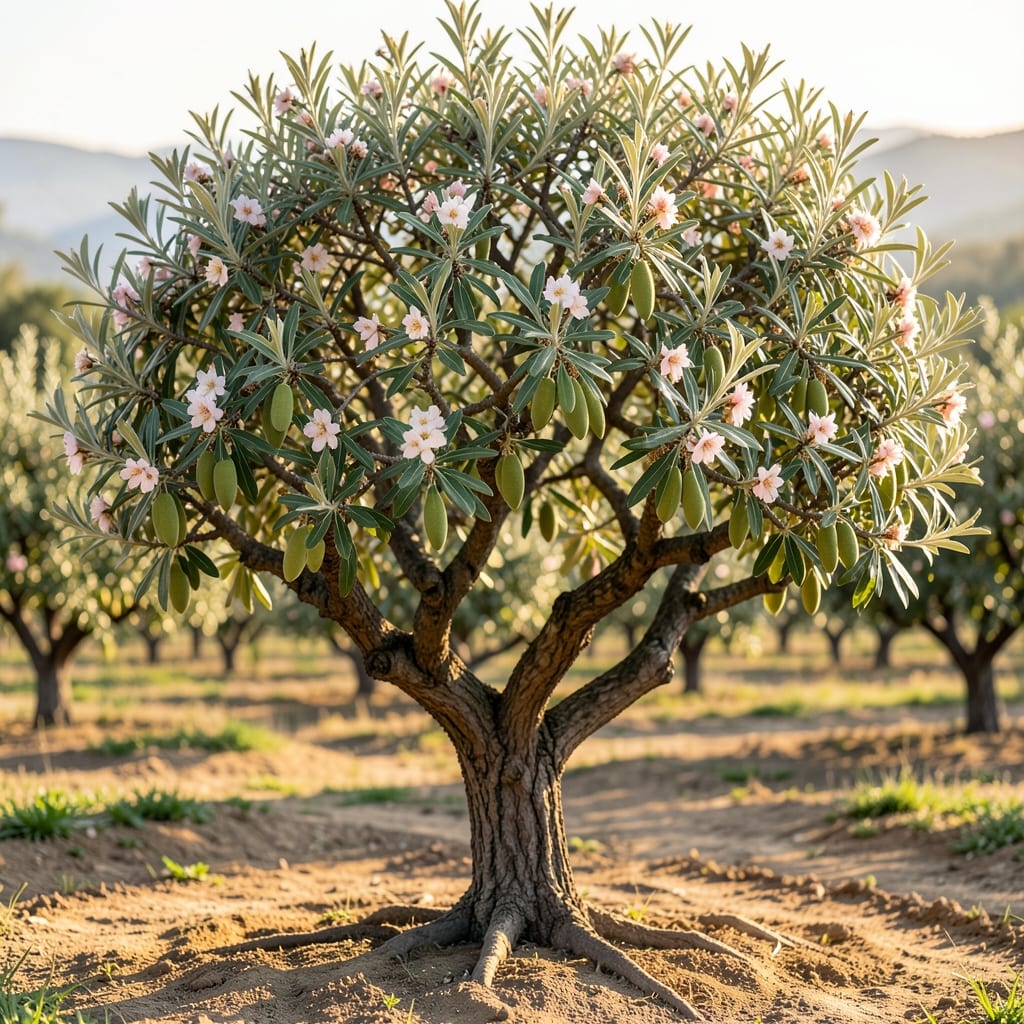
If you’re wondering how tall do almond trees grow, the answer might surprise you—these trees can range from compact 12-foot dwarfs to towering 40-foot giants, depending on the variety and growing conditions. Whether you’re dreaming of a backyard orchard or a container-friendly patio tree, choosing the right type is key to fitting them into your space without sacrificing productivity.
The 🌰 almond tree you pick determines everything from pruning needs to harvest accessibility. Standard varieties like 'Nonpareil' can reach 20-30 feet, making them ideal for larger properties, while dwarf rootstock varieties stay under 12 feet, perfect for urban gardens or even large pots. Climate also plays a role—warmer zones like USDA 8-10 encourage faster growth, while cooler areas may see slightly slower development.
But here’s the best part: with the right techniques, you can control their height naturally. Pruning in late winter or early spring keeps trees manageable, and dwarfing rootstock can cut mature heights by nearly half. Whether you’re a backyard grower or an orchard planner, understanding these factors will help you grow almond trees that fit your vision—and your space.
Ready to learn which varieties thrive in small spaces and how to keep them in check? Let’s break down the options so you can plant with confidence, whether you’re aiming for a 10-foot patio tree or a full-sized orchard. Your perfect almond tree is closer than you think!

Almond tree height by variety: dwarf to giant sizes explained
When planning your almond tree garden, the first question I ask myself is: how tall do almond trees grow? The answer varies dramatically based on the variety and rootstock you choose. Standard varieties like 'Nonpareil' can soar to 20-30 feet, while dwarf varieties like 'Texas' stay under 12 feet. This range means you can grow almonds in everything from a backyard to a container on your patio.
Most almond trees fall into three height categories: dwarf (12-18 ft), semi-dwarf (18-25 ft), and standard (25-40 ft). The rootstock—like 'Nonpareil' or 'Price'—plays the biggest role in determining height. For example, 'Nonpareil' on its own rootstock can reach 30+ feet, but when grafted onto dwarfing rootstock like 'GxN-15', it stays under 12 feet. This difference is why I always research rootstock before planting.
Here’s how the most popular varieties compare in terms of mature height:
| Variety | Rootstock Type | Mature Height (ft) | Best For |
|---|---|---|---|
| Nonpareil | Standard | 20-30 ft | Orchards, large yards |
| Nonpareil | Dwarf (GxN-15) | 12-16 ft | Backyards, containers |
| Price | Standard | 30-40 ft | Commercial orchards |
| Texas | Dwarf | 8-12 ft | Urban gardens, pots |
| Carmel | Semi-dwarf | 15-20 ft | Medium yards, balconies |
If you’re growing almonds in a home garden, dwarf varieties are my top recommendation. They mature faster, produce fruit earlier, and are easier to maintain. For example, the 'Texas' variety on dwarf rootstock can produce nuts in just 3-4 years compared to 6-8 years for standard trees. Plus, their compact size makes harvesting and pruning a breeze—no ladder required!
For commercial growers, standard varieties like 'Nonpareil' or 'Price' are the way to go. These trees maximize yield and are designed for large-scale orchards. However, even in commercial settings, growers often use semi-dwarf rootstock to balance height and productivity. The trade-off? You’ll need more space to plant them further apart for proper airflow and sunlight.
Another factor to consider is your climate zone. Almond trees thrive in USDA zones 6-10, but their growth rate varies. In warmer zones like California (where most commercial almonds are grown), trees can grow 2-3 feet per year. In cooler zones like zone 7, growth may slow to 1-2 feet per year. This means a tree that reaches 20 feet in California might only hit 15 feet in a cooler climate.
Choosing the right variety isn’t just about height—it’s also about fruit quality and pollination needs. For instance, 'Nonpareil' is a popular choice for its sweet nuts, but it requires a pollinator variety like 'Fritz' to produce fruit. If you’re growing just one tree, opt for a self-pollinating variety like 'Texas' or 'Carmel' to simplify the process.
Pro tip: If you’re limited on space but still want to grow almonds, consider espalier training. This technique involves pruning and shaping the tree to grow flat against a wall or fence, reducing its footprint by up to 50%. It’s a fantastic way to grow almonds in small urban gardens or even large containers.
🌰
Climate and pruning: how to control almond tree height naturally
Your almond tree’s height isn’t set in stone—it’s shaped by where you live and how you care for it. Trees in USDA zones 8-10 (like California or Arizona) grow faster and taller due to longer frost-free seasons, while those in cooler zones 6-7 (like Oregon or northern Spain) mature more slowly. For example, a 'Nonpareil' tree might reach 25 feet in a warm climate but stay closer to 20 feet in a cooler one.
Pruning is your secret weapon for controlling height. By cutting back 1/3 of new growth in late winter (before buds swell), you encourage a bushier shape and slower upward growth. Focus on removing vertical shoots and thinning crowded branches—this redirects energy to fruit production rather than height. Just avoid heavy pruning in summer, as it stresses the tree and can stunt growth entirely.
🌱
Step-by-Step Pruning Guide for Height Control
- 🌿 Late Winter (Jan-Feb): Prune dormant trees to shape structure. Remove dead or crossing branches first.
- 🪴 Early Spring (March): Thin vertical shoots to open the canopy. Aim for 12-18 inch spacing between branches.
- ☀️ Summer (June-July): Lightly trim new growth to encourage bushiness. Avoid heavy cuts—this can shock the tree.
- ✂️ Fall (Oct-Nov): Remove suckers (shoots from the base) and water sprouts (thin, fast-growing branches).
For small-space growers, consider dwarfing rootstock like 'GxN#1' or 'Nemaguard', which can reduce mature height by 30-50%. These rootstocks also improve cold hardiness, making them ideal for USDA zone 6 gardens. Pair them with a semi-dwarf scion (like 'Carmel') for a tree that stays under 12 feet while still producing abundant nuts.
Climate also affects pruning timing. In hot, dry zones, prune in late winter to avoid summer stress, while cooler climates allow for slightly later pruning in early spring. Always prune after harvest (late summer) to avoid removing next year’s flower buds, which form in late summer.
With the right approach, you can keep your almond tree at your desired height—whether that’s a 6-foot patio tree or a 15-foot orchard staple. The key is consistency: prune annually, monitor growth, and adjust based on your space and climate. Your tree will thank you with better fruit production and easier maintenance.
🌳