
Size
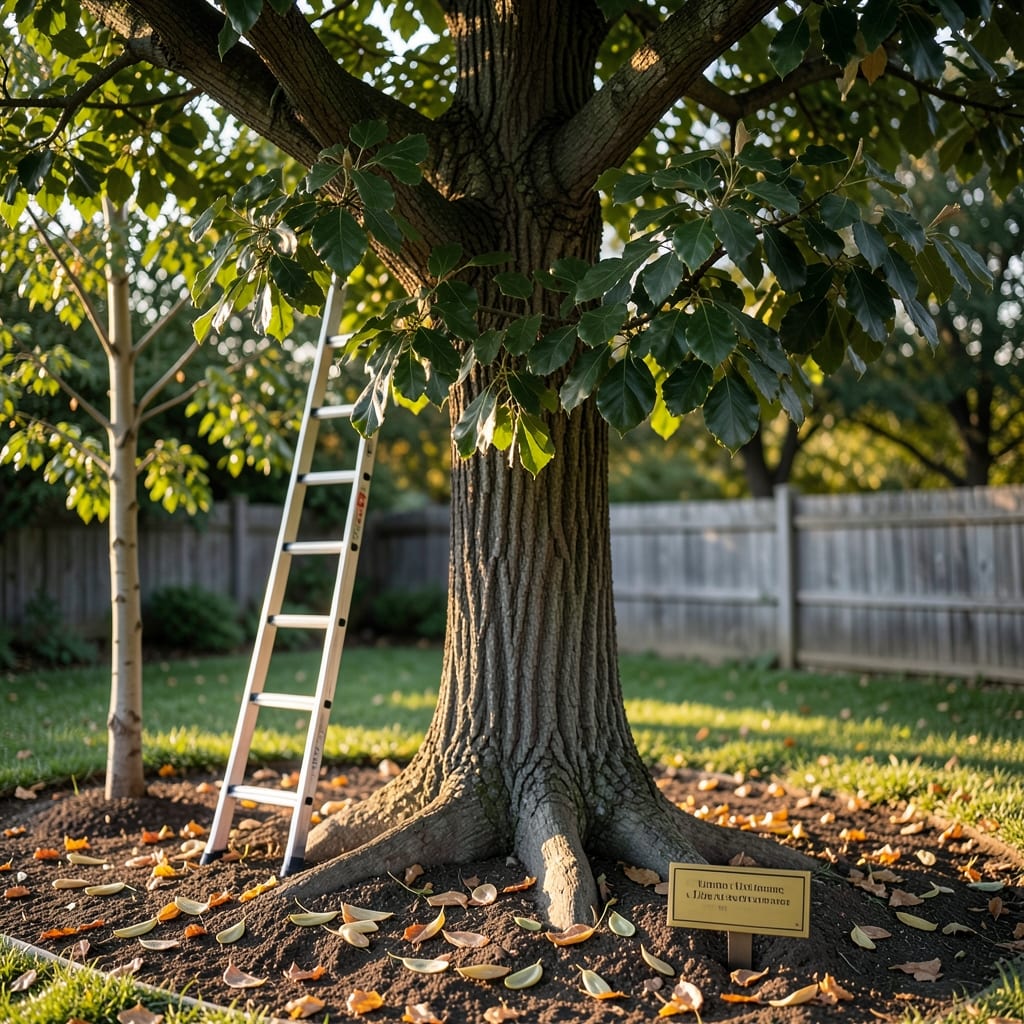
The American Elm Tree 🌳 can reach heights that dwarf most backyard trees—sometimes towering over 80 feet—but not all varieties grow that tall. If you're planning your landscape and wondering how much space this iconic tree will need, you're asking the right question.
These majestic trees are known for their broad canopies and sturdy branches, but their mature size varies dramatically depending on the specific cultivar. Some dwarf varieties stay under 40 feet, while others stretch toward the sky like natural skyscrapers. Understanding these differences is key to choosing the perfect fit for your property.
Growth rates also play a role—young elms can shoot up 3 feet per year under ideal conditions, but soil quality, sunlight, and even pruning habits can speed up or slow down their ascent. Let’s break down what you need to know to plan for the perfect American Elm Tree in your yard.
From urban-friendly compact types to full-size shade giants, we’ll cover everything so you can make an informed decision. Ready to find the right height for your space?

American Elm tree height by variety: from dwarf to giant
The American Elm Tree (Ulmus americana) 🌳 is famous for its towering stature, but not all varieties reach the same sky-scraping heights. Some stay compact enough for urban yards, while others become towering landmarks. Knowing these differences helps you choose the perfect tree for your space.
Here’s a quick look at how tall different American Elm varieties grow at maturity, along with their growth habits to help you plan your landscape. Whether you need a shade giant or a compact beauty, there’s an elm for every yard.
Note: Heights can vary based on growing conditions, but these ranges reflect typical mature sizes for healthy trees in ideal environments.
| Variety | Mature Height | Growth Rate | Canopy Spread |
|---|---|---|---|
| 'Princeton' Elm | 40–50 ft | 2–3 ft/year | 30–40 ft |
| 'Sapporo Autumn Gold' | 50–60 ft | 3–4 ft/year | 40–50 ft |
| 'New Horizon' | 40–50 ft | 2–3 ft/year | 35–45 ft |
| 'Valley Forge' | 60–70 ft | 3–5 ft/year | 50–60 ft |
| Standard American Elm | 70–80 ft | 4–6 ft/year | 60–70 ft |
The 'Princeton' Elm and 'New Horizon' are popular choices for smaller yards or urban settings because they stay under 50 feet while still providing ample shade. These varieties are also disease-resistant, making them low-maintenance options.
If you’re aiming for a statement tree, the Standard American Elm or 'Valley Forge' will dominate your landscape with heights exceeding 70 feet. However, these giants require plenty of space and regular care to maintain their health and structure.
For a balance of size and beauty, the 'Sapporo Autumn Gold' offers stunning golden fall foliage while reaching 50–60 feet. Its vibrant colors make it a standout in any yard, even if it doesn’t reach the same towering heights as its counterparts.
When choosing a variety, also consider your local climate and soil conditions. Some elms thrive in USDA Zones 3–9, but their growth rates can slow in colder or poorer soil. Always check with your local nursery for the best match.
Once planted, these trees grow quickly, especially in their first 5–10 years. With proper care, you could see a 30-foot tree in just a decade—perfect for those eager to enjoy shade sooner rather than later.
Ready to pick the perfect elm for your space? Consider not just height, but also canopy spread and disease resistance to ensure your tree thrives for decades. 🌳
Factors that influence American Elm tree height and growth rate
The height of your American Elm Tree 🌳 isn’t just determined by its variety—your local environment and care habits play a huge role. Whether your elm reaches 40 feet or 80 feet, these key factors will shape its growth trajectory. Understanding them helps you set realistic expectations and optimize care for a healthier, happier tree.
First, soil quality is critical. Elms thrive in well-drained, slightly acidic soil (pH 6.0–7.5). Compacted or waterlogged soil stunts growth, while rich, loamy soil can accelerate height gains by 20–30%. Amending clay-heavy soil with compost or sand is often necessary to unlock a tree’s full potential.
Sunlight exposure directly impacts growth rates. American Elms need full sun (6+ hours daily) to reach their maximum height. In shadier conditions, growth slows dramatically—sometimes by 50%—resulting in shorter, weaker trees. If your yard has partial shade, choose a dwarf variety like 'Princeton' to avoid disappointment.
Watering habits also influence height. Young elms need deep, consistent watering (1–2 inches per week) during their first 3–5 years. Underwatering causes stunted growth, while overwatering can lead to root rot and height loss. Mulching around the base retains moisture and encourages steady upward growth.
- 🌱 Soil Quality: Well-drained, slightly acidic soil (pH 6.0–7.5) boosts growth by 20–30%.
- ☀️ Sunlight: Full sun (6+ hours) is essential—partial shade reduces height by up to 50%.
- 💧 Watering: Deep watering (1–2 inches/week) in early years prevents stunted growth.
- ✂️ Pruning: Proper pruning in late winter/early spring can control height or encourage faster growth.
- 🌡️ Climate: Warmer climates (USDA Zones 6–9) accelerate growth; colder zones slow it.
Don’t overlook pruning practices. Strategic pruning in late winter or early spring removes dead or weak branches, allowing the tree to focus energy on upward growth. Over-pruning, however, can stunt height—always remove no more than 25% of the canopy in a single session.
Finally, climate and microclimate matter. Elms in USDA Zones 3–9 grow fastest in warmer zones (6–9), where they can add 3–5 feet per year. In colder zones (3–5), growth slows to 1–2 feet annually. Urban areas with pollution or limited space may also see reduced growth compared to rural settings.
By addressing these factors, you’ll give your American Elm the best chance to reach its full potential—whether that’s a compact 40-foot shade tree or a towering 80-foot giant. Pay attention to soil, sun, water, and pruning, and your tree will reward you with steady, healthy growth for decades. 🌳