
Vegetables
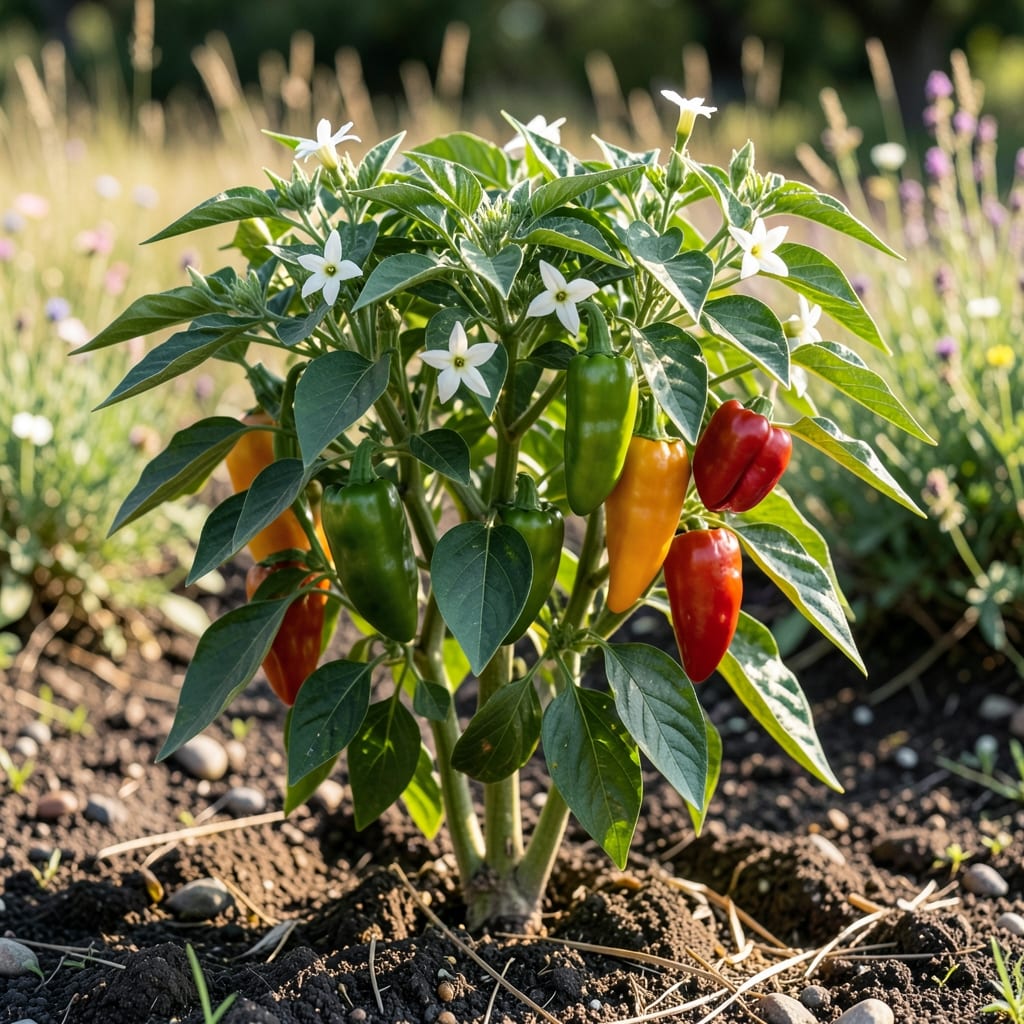
If you're wondering how tall Anaheim pepper plants grow, the answer might surprise you—these spicy little powerhouses can stretch up to 4 feet tall, making them perfect for both garden beds and containers. With their upright growth habit and 🌶️ glossy green peppers, they’re a favorite for home gardeners, but their size can be tricky to manage, especially in small spaces.
Most Anaheim pepper plants reach between 3 to 5 feet at maturity, though their height depends on factors like sunlight, soil quality, and whether you prune them. If you're growing them in containers, you’ll need to plan for their vertical growth while also keeping them stable—especially when they’re heavy with peppers. The good news? With the right techniques, you can control their size without sacrificing yield.
Whether you're a beginner or a seasoned gardener, understanding how to space and support your Anaheim peppers is key to a successful harvest. I’ll walk you through everything you need to know—from choosing the right container size to pruning tips that keep plants manageable. Let’s make sure your peppers have room to thrive, no matter how tall they grow.
Ready to grow Anaheim peppers without the space worries? You’ll discover how to maximize your harvest while keeping your plants happy and healthy—even in limited space. Let’s get started!


Anaheim pepper plant height: what to expect and how it varies
When you plant Anaheim peppers, you’re in for a treat—these plants typically grow between 3 to 5 feet tall, making them a perfect fit for both garden beds and containers. Their upright, bushy growth habit means they’ll need space to spread out horizontally too, but with the right care, you can manage their height effectively. The exact height depends on factors like sunlight exposure, soil quality, and whether you prune them regularly.
Most Anaheim pepper plants reach their mature height of 3 to 4 feet within 8 to 12 weeks after transplanting, though some varieties can stretch taller if given ideal growing conditions. If you’re growing them in containers, you’ll want to plan for their vertical growth early—especially since they can become top-heavy with fruit. The key is balancing their height with stability to avoid tipping over.
There are two main types of Anaheim pepper plants: bush types and indeterminate varieties. Bush types tend to stay shorter, around 2 to 3 feet, while indeterminate varieties can grow taller, often reaching 4 to 5 feet. If you’re short on space, bush varieties are your best bet, but indeterminate types often produce more peppers over a longer season.
Sunlight plays a huge role in how tall your Anaheim peppers grow. These plants thrive in full sun (6+ hours daily), which encourages strong, upright growth. If they don’t get enough light, they’ll stretch out and become leggy, reaching heights of 5 feet or more in an attempt to find sunlight. To keep them compact, ensure they’re placed in a sunny spot and consider using reflective surfaces or grow lights if you’re growing indoors.
Soil quality also affects height—well-draining, nutrient-rich soil helps Anaheim peppers grow strong and sturdy. If your soil is poor or lacks essential nutrients like nitrogen and phosphorus, your plants may grow taller but weaker, with fewer peppers. Amending your soil with compost or using a balanced fertilizer can help maintain a healthy, manageable height while boosting yield.
Pruning is another way to control height and improve airflow around your plants. By pinching off the tips of new growth or removing lower leaves, you encourage a bushier, more compact plant. This not only keeps the height in check but also reduces the risk of diseases like powdery mildew. For taller varieties, pruning also helps direct energy toward fruit production instead of excessive vertical growth.
| Factor | Impact on Height | Recommended Action |
|---|---|---|
| Sunlight | More sun = taller growth (up to 5 ft) | Provide 6+ hours of full sun daily |
| Soil Quality | Poor soil = leggy, weak growth | Use well-draining, compost-rich soil |
| Pruning | Regular pruning = shorter, bushier plants | Pinch tips and remove lower leaves |
| Container Size | Smaller pots = restricted height (2-3 ft) | Use containers 12-18 inches deep |
| Variety Type | Indeterminate = taller (4-5 ft); Bush = shorter (2-3 ft) | Choose bush types for small spaces |
If you’re growing Anaheim peppers in containers, the size of your pot will also influence their height. A container that’s too small will restrict root growth, keeping your plants shorter but potentially limiting their yield. Aim for containers that are at least 12 to 18 inches deep and 12 inches wide to give your plants enough room to grow while staying stable. Larger containers also help retain moisture, which is especially important during hot summer months.
One common mistake gardeners make is underestimating how tall Anaheim peppers can grow, especially in ideal conditions. If you’re growing them in a garden bed, space them 18 to 24 inches apart to give them room to spread out. In containers, you’ll need to provide support like cages or stakes early on to prevent the plants from toppling over as they grow heavier with peppers. Without support, taller varieties can easily reach 5 feet or more, which might not be ideal for small gardens or balconies.
To keep your Anaheim peppers at a manageable height, start by choosing the right variety for your space. If you’re working with limited room, opt for bush types or dwarf varieties that stay under 3 feet tall. For taller varieties, use pruning and support structures to control their growth while still enjoying a bountiful harvest. With the right approach, you can grow Anaheim peppers that are both productive and space-efficient.
Remember, the goal isn’t just to grow tall peppers—it’s to grow healthy, productive plants that thrive in your garden or container setup. By paying attention to sunlight, soil, pruning, and support, you’ll be well on your way to a successful Anaheim pepper harvest, no matter how tall your plants grow.
Best container sizes and space-saving tips for Anaheim peppers
Choosing the right container is crucial when growing Anaheim peppers, as their height and weight can quickly overwhelm small pots. Since these plants typically reach 3 to 5 feet tall, you’ll need containers that provide both depth and stability. A 12 to 18-inch deep pot is the minimum to accommodate their root systems while preventing tipping. For taller varieties, opt for containers with 18-inch depth or more to support their vertical growth and heavy fruit loads.
Container width matters too—aim for at least 12 inches in diameter to give roots room to spread. Smaller pots restrict growth, leading to stunted plants that may produce fewer peppers. If you’re growing multiple plants in a single container, space them 12 to 18 inches apart to avoid competition for nutrients and sunlight. This spacing also improves airflow, reducing the risk of fungal diseases that thrive in crowded, humid conditions.
- 🪴 Container Depth: 12–18 inches (deeper for taller varieties)
- 📏 Width: 12+ inches (1 plant per container for best results)
- ✂️ Prune Regularly: Trim suckers and lower leaves to control height
- 🌱 Companion Plants: Grow with basil or marigolds to save space
- 🪣 Support Early: Use cages or stakes at transplanting to prevent toppling
Pruning is your best tool for keeping Anaheim peppers manageable in containers. By pinching off the tips of new growth when plants are young, you encourage a bushier, more compact shape instead of letting them grow tall and leggy. Focus on removing suckers (side shoots) and lower leaves to improve airflow and redirect energy toward fruit production. This technique can reduce plant height by 20–30% while increasing pepper yield.
For even more space efficiency, consider companion planting with low-growing herbs like basil or marigolds. These plants not only save space but also deter pests and improve flavor. Place them around the base of your Anaheim peppers, leaving enough room for airflow. If you’re growing in a balcony or patio, vertical gardening with trellises or hanging pots can free up floor space while keeping your peppers accessible for harvesting.
One common mistake is waiting too long to add support. Anaheim peppers can become top-heavy with fruit, so install cages, stakes, or trellises at transplanting to prevent tipping. Use 5-foot tall tomato cages or sturdy bamboo stakes tied with soft plant ties for support. If you notice your plants leaning, gently weave them through the support structure to encourage upright growth without damaging stems.
Finally, monitor your containers’ drainage to prevent root rot—a silent killer of pepper plants. Ensure pots have drainage holes and use a well-draining potting mix with perlite or vermiculite. Water deeply in the morning to keep soil moist but not soggy, and mulch the surface with straw to retain moisture and regulate temperature. With these space-saving tips, you’ll grow healthy, productive Anaheim peppers even in the smallest of spaces.