
How To
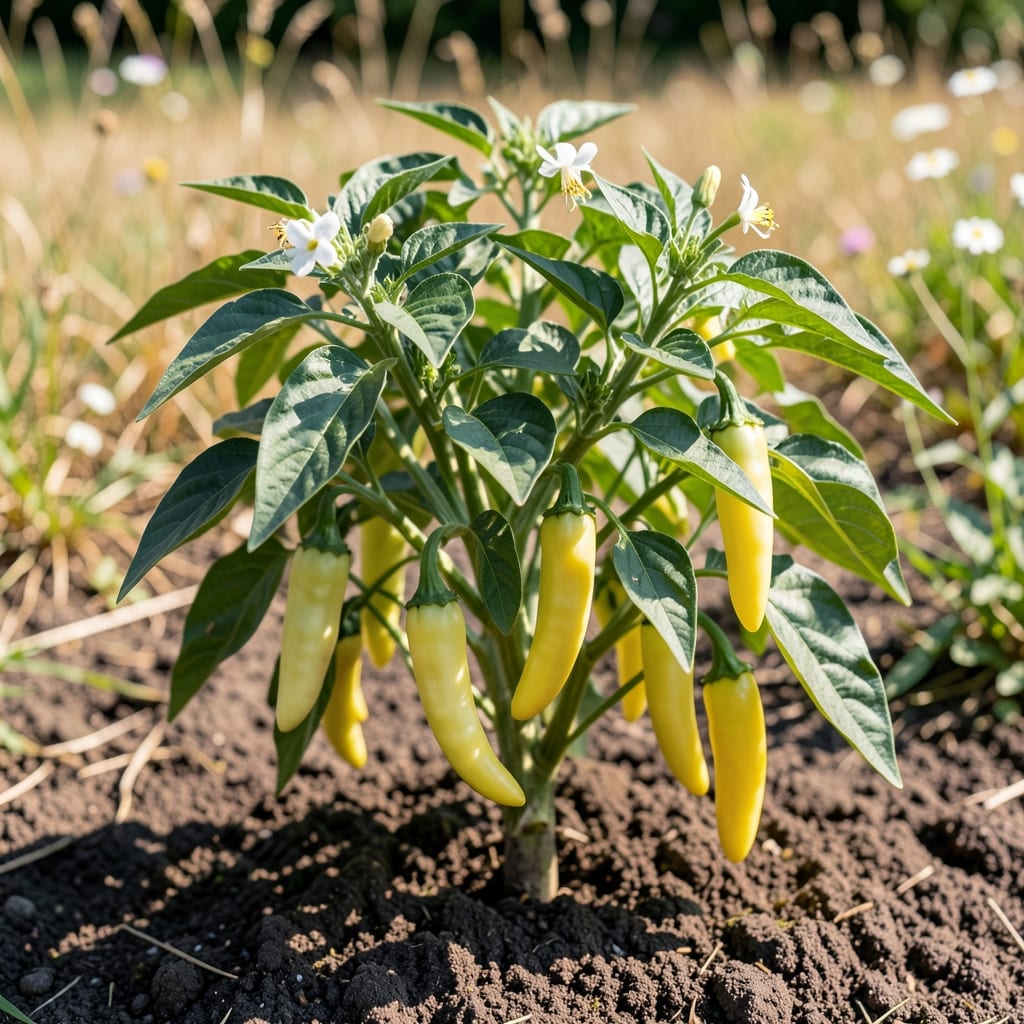
If you're wondering how tall do banana peppers grow, the answer might surprise you—these mild, crunchy 🌶️ peppers stay compact while packing serious flavor. While most varieties top out between 2 and 4 feet, some dwarf types remain as short as 12–18 inches, making them perfect for containers or small gardens.
What you might not realize is that proper pruning can actually boost your harvest by encouraging bushier growth. Without intervention, banana peppers tend to grow taller but produce fewer peppers. The key is understanding when to trim and how much—because aggressive pruning at the wrong time can backfire.
Whether you're working with limited space or just curious about maximizing your garden's potential, knowing these growth habits will help you plan better. From selecting the right variety to managing sunlight and nutrients, small adjustments can make a big difference in your pepper harvest.
Let's break down exactly what to expect from your banana pepper plants and how to keep them thriving—so you can enjoy fresh, homegrown peppers all season long. You'll learn the best practices for pruning, spacing, and even container growing to get the most out of your plants.

Banana pepper height guide: compact growth zones and variety-specific expectations
When you plant banana peppers, their final height often depends on the specific variety you choose. Most common types like 'Golden Banana' and 'Sweet Banana' typically reach 2 to 3 feet at maturity, making them ideal for small gardens or containers. However, some dwarf varieties—like 'Mini Banana'—stay as short as 12 to 18 inches, perfect for windowsill growing.
The key to understanding banana pepper height lies in their bush structure. Unlike tall, leggy peppers, banana peppers grow in a compact, multi-branched bush, which naturally limits their vertical growth. This bushy habit also means they produce more peppers per square foot than taller varieties, making them a space-efficient choice for home gardens.
If you're wondering why some plants seem taller than others, it often comes down to pruning habits and growing conditions. Without proper care, banana peppers can stretch toward sunlight, reaching up to 4 feet in height. But with strategic pruning and adequate sunlight, you can keep them at their ideal 2 to 3 feet range while maximizing fruit production.
Here’s a quick comparison of the most popular banana pepper varieties and their typical mature heights:
| Variety | Mature Height | Best For |
|---|---|---|
| Golden Banana | 2–3 ft | Containers, small gardens |
| Sweet Banana | 2–3 ft | Fresh eating, pickling |
| Mini Banana | 1–2 ft | Windowsills, patio pots |
| Banana Poblano | 3–4 ft | Larger harvests, in-ground |
For container growing, stick to dwarf varieties or prune taller types to fit your pot. A 5-gallon container is the minimum for most banana peppers, but larger pots (7+ gallons) allow for bigger plants and heavier harvests. If you’re growing in the ground, space plants 18 to 24 inches apart to ensure good airflow and prevent disease.
Sunlight plays a huge role in height control. Banana peppers need 6+ hours of full sun daily to stay compact and productive. Without enough light, they’ll stretch toward the sun, becoming leggy and producing fewer peppers. If your garden gets partial shade, consider growing them in a south-facing container where they can follow the sun throughout the day.
Another factor influencing height is soil fertility. Over-fertilizing with nitrogen can lead to excessive leafy growth at the expense of fruit production, while balanced fertilization (like a 10-10-10 NPK ratio) promotes healthy, bushy plants. Always water at the base of the plant in the morning to avoid wetting the leaves, which can encourage fungal diseases that weaken growth.
If you’re growing banana peppers for culinary uses, their compact size is a bonus—they’re easy to pick and store. Whether you’re making pickled peppers, stuffing them, or snacking on them fresh, their mild heat and crisp texture make them a garden favorite. Just remember: the shorter the plant, the more peppers you’ll get per square foot!
For those in USDA Zones 6–10, banana peppers thrive in warm climates but can also grow in cooler zones if planted after the last frost. In colder regions, consider starting seeds indoors 6–8 weeks before the last frost to give them a head start. With the right variety and care, you’ll enjoy a bountiful harvest without sacrificing garden space.
Now that you know how tall banana peppers grow, you’re ready to choose the perfect variety for your garden. Next, we’ll dive into pruning techniques to keep your plants healthy and productive all season long. ✂️
Banana pepper height guide: compact growth zones and variety-specific expectations
Banana peppers are famous for their mild heat and crunchy texture, but their height can vary dramatically depending on the variety and growing conditions. Most standard banana peppers reach 2 to 4 feet tall, making them ideal for small gardens or containers. However, some dwarf varieties stay as short as 12–18 inches, perfect for windowsill growing or urban balconies.
Understanding your pepper’s expected height helps you plan spacing and support structures. For example, the popular 'Golden Banana' variety typically grows 3 feet tall with a bushy spread, while heirloom types like 'Sweet Banana' may stretch closer to 4 feet if left unpruned. The key difference lies in their genetic growth habits and how you manage them.
Here’s what you need to know about banana pepper height ranges and how to optimize your garden space:
| Variety | Mature Height | Growth Habit | Best For |
|---|---|---|---|
| 'Golden Banana' | 2–3 ft | Bushy, compact | Containers, small gardens |
| 'Sweet Banana' | 3–4 ft | Taller, spreading | In-ground beds, trellises |
| Dwarf varieties | 12–18 in | Ultra-compact | Windowsills, patio pots |
| Heirloom types | 3–5 ft | Vining, sprawling | Trellises, large containers |
If you’re growing banana peppers in containers, choose varieties that stay under 2 feet tall to avoid overcrowding. Dwarf types thrive in 5-gallon pots with proper drainage, while taller varieties may need 10+ gallons to support their root systems. Always use well-draining soil mixed with compost to encourage healthy growth and prevent root rot.
Sunlight plays a critical role in determining how tall your banana peppers grow. These peppers need 6+ hours of direct sun daily to reach their full potential. Without enough light, they’ll grow leggy and weak, stretching toward any available sunlight. This often results in fewer peppers and slower maturation. If your garden lacks full sun, consider using reflective surfaces or growing lights to supplement natural light.
Pruning is another game-changer for managing height and boosting harvests. By pinching off the top buds early in the season, you encourage the plant to grow bushier and wider rather than tall and spindly. This technique works especially well for container-grown peppers, where space is limited. Just be sure to prune before the plant flowers to avoid reducing your yield.
For maximum flavor and yield, harvest your banana peppers regularly. Removing ripe peppers encourages the plant to produce more, keeping it productive throughout the growing season. And if you’re wondering how tall they’ll get in your specific climate, remember that warmer temperatures and longer growing seasons can push some varieties to their upper height limits—so plan accordingly! 🌱