
How To
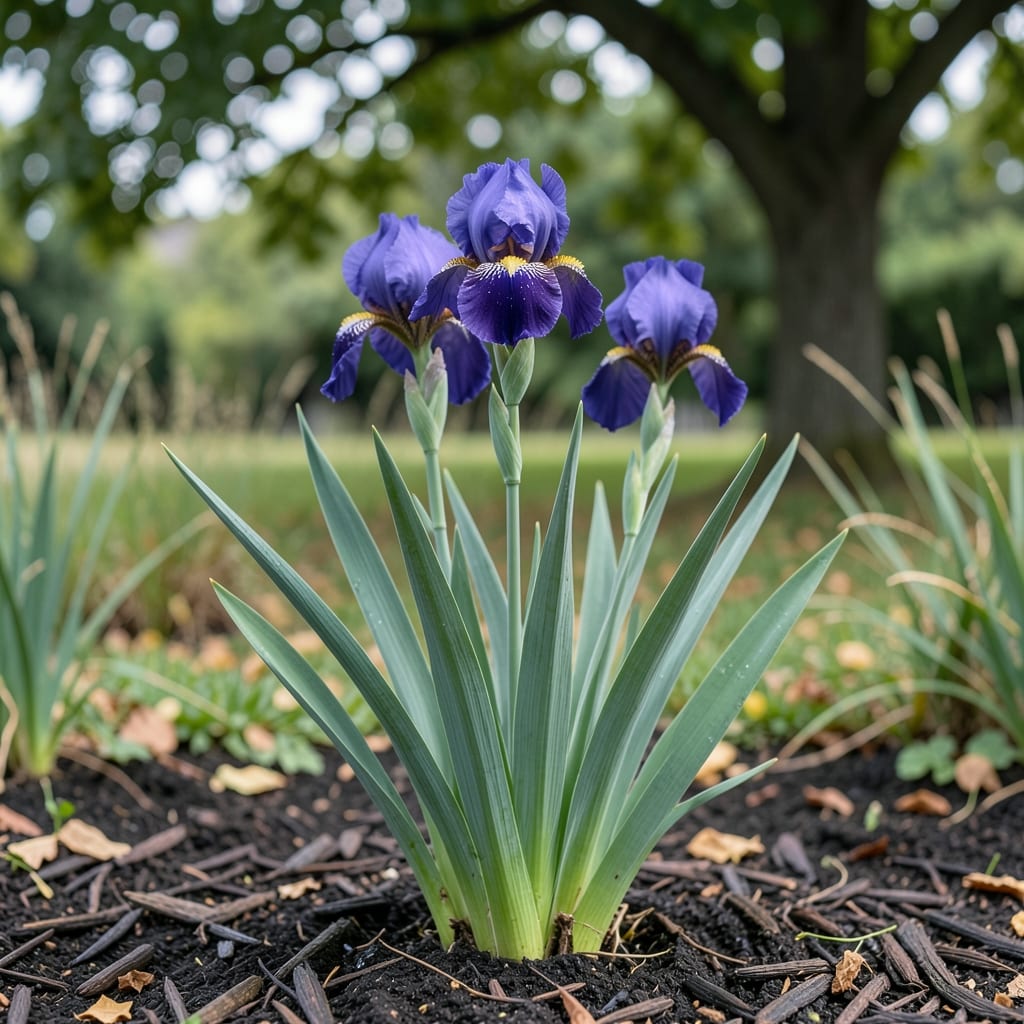
If you're planning your garden layout and wondering how tall do bearded irises grow, the answer might surprise you—they can range from just 1 foot to towering over 3 feet, depending on the variety. These stunning 🌸 bearded irises aren’t just pretty faces; their height plays a huge role in how you design your flower beds or containers.
For beginners, knowing these height differences is key to avoiding overcrowding or underwhelming displays. Standard varieties typically reach 2 to 3 feet, making them perfect for mid-height garden beds, while dwarf types stay compact at 1 to 1.5 feet. This variety means you can mix and match them like building blocks in your landscape design.
But height isn’t just about the variety—soil quality, sunlight, and even pruning habits can tweak how tall your irises grow. Too much shade or poor drainage might stunt their growth, while proper care can encourage them to reach their full potential. Let’s break down what you need to know to get the most out of your bearded irises.
Whether you're aiming for a dramatic backdrop or a charming border, understanding these height ranges will help you place your irises with confidence. From spacing tips to pruning tricks, we’ll cover everything you need to create a showstopping display that thrives year after year.


Bearded iris height ranges by variety: dwarf to giant types explained
When planning your garden, knowing how tall do bearded irises grow helps you place them strategically. These plants fall into distinct height categories, from dwarf varieties that stay under 1.5 feet to tall standards reaching 3 feet or more. The right choice depends on your garden’s layout and design goals.
For example, dwarf bearded irises like 'Little Chief' or 'Tiny Turtle' are perfect for rock gardens or container plantings, while standard varieties such as 'Blue Flag' or 'Black Gamecock' thrive as mid-height focal points. Even within categories, heights can vary slightly based on growing conditions.
Here’s how to identify each type by their bloom size and growth habit:
| Variety Type | Height Range | Bloom Size | Best For |
|---|---|---|---|
| Dwarf | 1–1.5 ft | 2–3 inches | Rock gardens, borders, containers |
| Intermediate | 1.5–2.5 ft | 3–4 inches | Mixed borders, cottage gardens |
| Standard | 2–3 ft | 4–5 inches | Back of borders, focal points |
| Tall Bearded | 3–4 ft | 5+ inches | Specimen planting, tall borders |
If you’re working with limited space, dwarf varieties are ideal for containers or window boxes. Their compact size makes them perfect for urban gardens or small patios. Meanwhile, tall bearded irises like 'Ice Cream' or 'Purple Haze' add drama to perennial beds or cutting gardens.
Pro tip: Check the variety tags when purchasing irises—they often list mature height. If unsure, ask your local nursery for recommendations based on your garden’s sun exposure and soil type. For example, sandy soil may encourage taller growth, while clay-heavy soil can stunt it.
Another key factor is bloom time. Dwarf irises often bloom earlier in the season, while taller varieties may flower slightly later. This timing can influence how you layer plants in your garden design for a continuous bloom display.
For beginner gardeners, starting with intermediate varieties is a great middle ground—they’re forgiving yet striking. Popular choices like 'Blue Boy' or 'White Swan' grow to about 2 feet and thrive in most climates.
Remember, height isn’t set in stone—proper care can encourage irises to reach their full potential. We’ll cover how pruning and soil amendments can influence growth in the next section. For now, use this guide to pick the perfect irises for your space!
🌸
How pruning affects bearded iris height: when and why to trim
Pruning your bearded irises isn’t just about keeping them tidy—it directly impacts their height, bloom quality, and even how long they live. If you’ve noticed your irises growing too tall or flopping over, chances are, your pruning (or lack of it) is the culprit. The right trimming techniques encourage stronger stems and healthier rhizomes, while improper pruning can stunt growth or invite pests.
Timing is everything with bearded irises. The best time to prune is after they finish blooming in late spring or early summer. This gives the plant time to store energy in its rhizomes for next year’s growth. If you cut back too early, you might remove buds for next season’s flowers. Conversely, waiting too long can lead to weak stems that struggle to support the plant’s weight.
Here’s what happens when you prune correctly—and what to avoid:
Cutting back foliage too early can starve the rhizomes of the nutrients they need to survive the cold. Always wait until after blooming and before new growth appears in spring.
Also, avoid topping the rhizomes—this can kill the plant. Only trim the leaf blades, never the thick, fleshy roots.
For tall varieties (like 'Ice Cream' or 'Purple Haze'), pruning helps maintain a neat, upright form. After blooming, cut the flower stalks down to the ground, but leave the fan-shaped leaves intact. These leaves photosynthesize and feed the rhizome. If you’re dealing with floppy stems, trim them back by one-third to encourage bushier, sturdier growth.
Another critical pruning task is rhizome division, which you should do every 3–4 years in late summer. Overcrowded rhizomes compete for nutrients, leading to smaller blooms and shorter plants. Dig up the clump, separate the rhizomes (each should have at least one fan of leaves), and replant them 12 inches apart. This rejuvenates growth and often results in taller, more vigorous plants the following year.
If your irises are too short despite good care, check your soil fertility and sunlight exposure. Sometimes, a light spring feeding with a balanced fertilizer (like 5-10-10) can boost growth. Pair this with full sun exposure (6+ hours daily), and you’ll see a noticeable difference in height within a season.
Remember, pruning isn’t optional—it’s essential for long-term health. Skipping it can lead to weak stems, fewer blooms, and even disease. With the right techniques, your bearded irises will reward you with taller, stronger growth and show-stopping blooms year after year.
✂️