
Trees
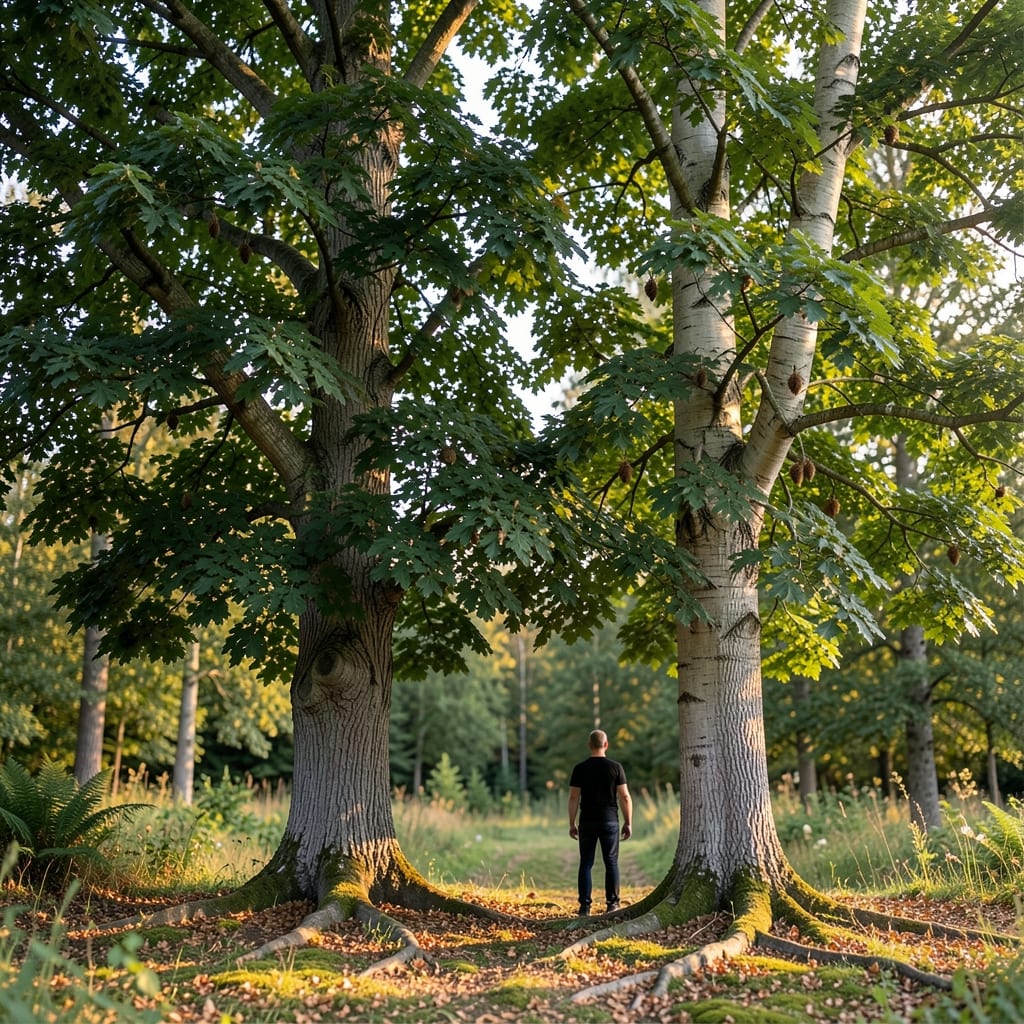
How tall do beech trees grow? If you're dreaming of a stunning shade tree but worried about space, you might be surprised by the dramatic differences between varieties. Some towering giants reach 80 feet, while compact types stay under 25 feet—making them perfect for even small yards.
For gardeners in USDA Zone 6a, choosing the right type means balancing beauty with practicality. The American beech, for example, can stretch toward the sky, while dwarf varieties like 'Cupreous' stay manageable. Whether you have acres or just a cozy corner, there's a 🌳 beech tree that fits your vision.
Fast growth isn't always the goal—some varieties mature quickly, while others take decades to reach their full height. I'll break down the fastest-growing options and space-saving alternatives so you can make the best choice for your landscape.
Ready to transform your outdoor space? Let's explore how to pick the perfect beech tree for your needs, from towering shade providers to petite patio companions.


Beech tree height by species: from dwarf to giant varieties
Beech trees (genus Fagus) offer a stunning range of mature heights, from towering giants to compact varieties perfect for small spaces. The American beech (Fagus grandifolia) typically reaches 60-80 feet at maturity, while the European beech (Fagus sylvatica) often grows 50-70 feet tall. These differences matter when planning your landscape—especially if you're working with limited space.
For gardeners in USDA Zone 6a, climate plays a key role in growth rates. Cooler northern regions may see slightly slower growth compared to warmer southern areas. Soil drainage also impacts height potential—waterlogged conditions can stunt growth, while well-draining soil encourages full development. Always plant in full sun for optimal height potential.
Here's a quick comparison of how different beech varieties stack up in height:
| Variety | Mature Height | Growth Rate | Best For |
|---|---|---|---|
| American Beech | 60-80 ft | Slow to moderate | Large estates, parks |
| European Beech | 50-70 ft | Moderate | Urban landscapes |
| Copper Beech | 40-60 ft | Moderate | Color accents, medium yards |
| Dwarf Beech (e.g., 'Cupreous') | 15-25 ft | Slow | Small yards, containers |
| Purple Leaf Beech | 30-40 ft | Moderate | Garden focal points |
The American beech often grows taller than its European counterpart, making it ideal for spacious properties. However, its slower growth rate means it takes 20-30 years to reach full height. If you need faster results, consider hybrid varieties like the Copper Beech, which grows at a moderate pace while offering stunning foliage colors.
For small yards, dwarf varieties like 'Cupreous' or 'Purple Leaf' provide all the beauty without the space requirements. These stay under 25 feet and work beautifully in patio plantings or as container specimens. Just ensure they get 6+ hours of sunlight daily for best growth.
Soil quality dramatically affects height potential. Amend heavy clay soil with compost to improve drainage, and avoid planting in low-lying areas where water pools. A well-prepared planting site can help your beech tree reach its full genetic height potential.
When planning spacing, remember that beech trees develop wide canopies. Standard varieties need 40-50 feet of clearance from structures and other plants. Dwarf types require only 15-20 feet of space—making them perfect for tight urban gardens.
If you're unsure which variety to choose, consider your space and long-term goals. A towering American beech makes a grand statement, while a compact Purple Leaf adds color without overwhelming your landscape. Both offer year-round interest with their distinctive bark and foliage.
🌳
Beech tree height by species: from dwarf to giant varieties
Choosing a beech tree starts with understanding its mature height, as some varieties grow into towering giants while others remain compact. The American beech (Fagus grandifolia) typically reaches 60-80 feet, making it a statement tree for large properties, while the European beech (Fagus sylvatica) often maxes out around 50-70 feet. These differences matter for spacing and long-term landscape planning.
For smaller yards, dwarf varieties like 'Cupreous' beech or 'Purple Leaf' beech stay between 15-25 feet, offering stunning foliage without overwhelming space. Even semi-dwarf types like 'Dawyck' beech (30-40 feet) provide a middle-ground option for medium-sized gardens.
| Variety | Mature Height | Growth Rate | Best For |
|---|---|---|---|
| American Beech | 60-80 ft | Slow to moderate | Large estates, parks |
| European Beech | 50-70 ft | Moderate | Woodlands, formal gardens |
| Copper Beech | 40-60 ft | Moderate | Color accents, small woodlands |
| Dwarf Beech ('Cupreous') | 15-25 ft | Slow | Small yards, containers |
| Purple Leaf Beech | 20-30 ft | Slow | Urban gardens, borders |
Climate plays a key role in height potential. In USDA Zone 6a, beech trees grow more slowly due to shorter growing seasons, while warmer zones like Zone 7-8 may see faster height gains. Well-draining, slightly acidic soil (pH 4.5-6.0) also supports healthier growth, though beech trees adapt to various conditions.
If you're planting near power lines or buildings, always check local regulations—some dwarf varieties still need 15-20 feet of clearance at maturity. For example, a Purple Leaf beech might start small but can develop a 15-foot spread, so plan accordingly.
To encourage optimal growth, focus on early spring fertilization with a balanced 10-10-10 NPK mix and deep watering every 7-10 days during dry spells. Young trees benefit most from consistent moisture, while established specimens develop drought tolerance over time.
For a quick visual reference, imagine a standard beech tree reaching the height of a 4-story building—that’s why spacing is critical. Whether you choose a giant or a dwarf, proper placement ensures your beech tree thrives for decades.